English
- English
- Español
- Português
- русский
- Français
- 日本語
- Deutsch
- tiếng Việt
- Italiano
- Nederlands
- ภาษาไทย
- Polski
- 한국어
- Svenska
- magyar
- Malay
- বাংলা ভাষার
- Dansk
- Suomi
- हिन्दी
- Pilipino
- Türkçe
- Gaeilge
- العربية
- Indonesia
- Norsk
- تمل
- český
- ελληνικά
- український
- Javanese
- فارسی
- தமிழ்
- తెలుగు
- नेपाली
- Burmese
- български
- ລາວ
- Latine
- Қазақша
- Euskal
- Azərbaycan
- Slovenský jazyk
- Македонски
- Lietuvos
- Eesti Keel
- Română
- Slovenski
- मराठी
- Srpski језик

News
Prioritizing Mixing Water Quality to Underpin the Strength and Durability of Ready Mixed Concrete
Against the backdrop of global infrastructure development and urban renewal, bridge, municipal, rail transit and building projects are placing ever-higher demands on the strength, durability and design service life of ready-mixed concrete. A growing number of major engineering assets are specified for service lifespans of 100 years or longer. Within concrete’s full-chain quality-control workflow, industry stakeholders typically devote close attention to primary raw materials including cement, sand-aggregate and chemical admixtures. Even so, mixing water — an apparently commonplace yet decisive input — is frequently overlooked. Field-engineering experience and laboratory research confirm that mixing-water quality directly governs cement-hydration behaviour and exerts profound influence over concrete compressive strength, corrosion resistance and long-term in-service performance. Inadequate water-quality management can introduce concealed long-term safety risks to built structures.
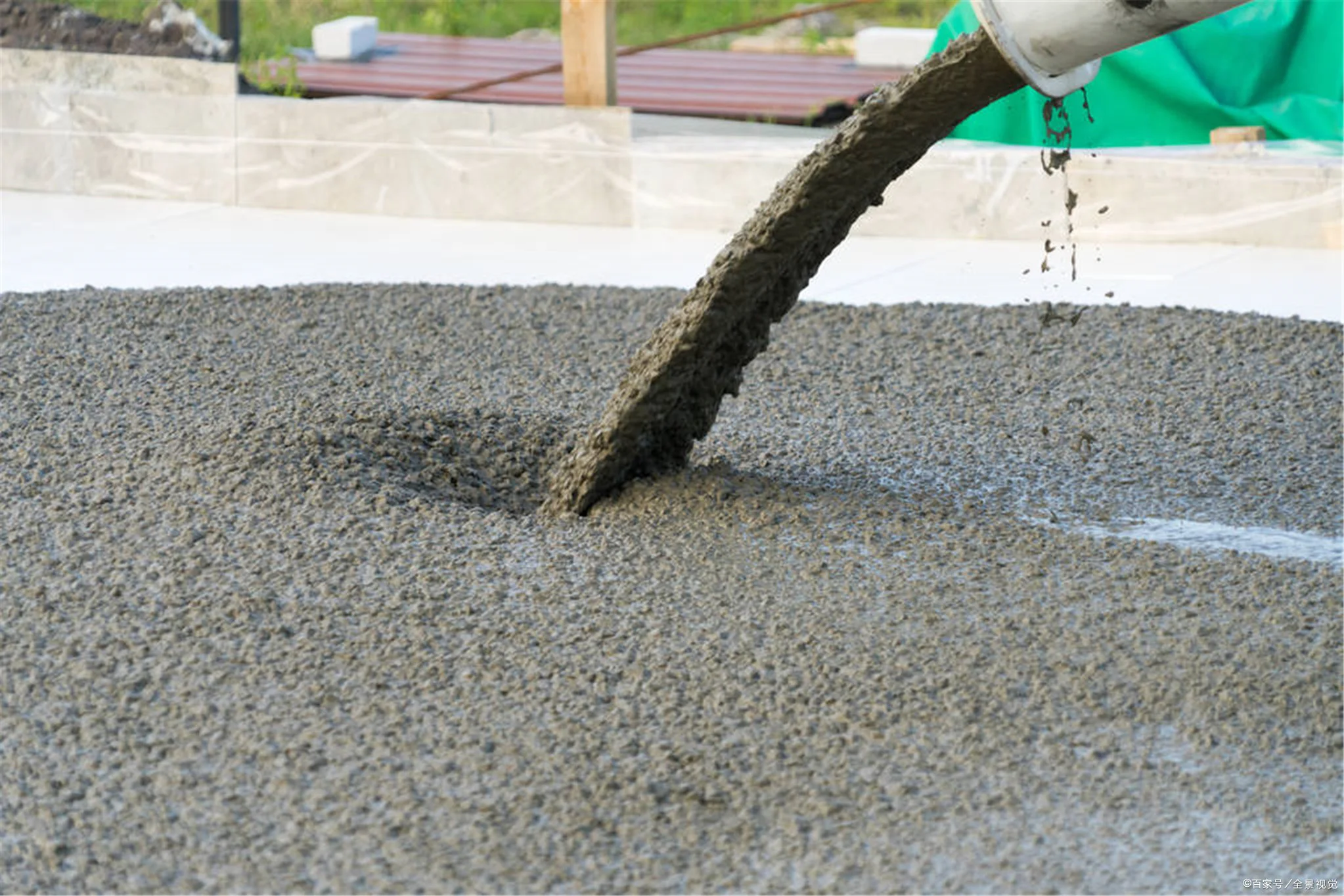
Water occurs in three distinct physical-chemical states within hardened ready-mixed concrete: chemically bound water, physico-chemically bound water, and free physical water (free water). Chemically bound water forms stable crystalline solids through cement-mineral hydration and no longer participates in subsequent physical or chemical reactions. Physico-chemically bound water coats hydration-product surfaces as thin water films, supporting cement-particle dissolution and hydration and acting as an essential reaction medium. Free water does not contribute to hydration-driven hardening. When it evaporates, interconnected pore channels remain inside the concrete matrix. A higher free-water fraction increases internal void volume and reduces material compactness. This not only degrades mechanical strength directly, but also creates diffusion pathways for aggressive species such as chloride and sulfate ions, further undermining long-term durability. For high-performance ready-mixed-concrete production, minimising free-water share is critical to optimising concrete micro-structure.
Acceptable mixing water requires far more than visual clarity and absence of visible debris. Key chemical parameters including pH value, chloride-ion concentration, sulfate-ion content and alkali content form the core control criteria referenced in international concrete-mixing-water standards.
pH influences concrete performance indirectly. Although strongly acidic mixing water can be partially neutralised by concrete’s highly alkaline matrix, excessively low pH still disrupts cement-hydration kinetics. For prestressed components and long-service life bridge structures, technical specifications commonly recommend a minimum pH value of 5.0 for prestressed concrete mixing water and 4.5 for conventional reinforced and plain concrete, to mitigate chronic corrosion hazards originating from acidic feed-water.
Chloride ions represent a major hazard for reinforced-concrete structures. Concrete’s naturally high alkalinity forms a passive protective film over reinforcing-steel surfaces. When chloride ions penetrate the matrix, they break down this passive layer, initiating steel corrosion. Corrosion-product expansion induces concrete cracking and surface spalling. Chlorides damage concrete via three principal mechanisms: dissolution of cement-hydration phases, formation of expansive salt compounds that propagate cracks, and osmotic-pressure-assisted ingress into cement paste. Aligned with widely-adopted European-region specifications, the chloride-ion limit for reinforced-concrete mixing water has been tightened to 1000 mg/L. For structures with a 100-year design life and prestressed-concrete applications, the requirement becomes even stricter, capped at 500 mg/L to reduce steel-corrosion risk introduced through the mixing-water source.
Sulfate ions react with cement-ydration products to generate expansive phases, triggering internal cracking and impairing concrete volume stability. The sulfate-ion threshold for reinforced-concrete mixing water has been lowered to 2000 mg/L, reducing the likelihood of sulfate-rriven structural degradation.
Alkali-content management addresses applications utilising alkali-reactive aggregates. Alkali species dissolved within mixing water may initiate alkali-aggregate reactions, leading to differential expansion and concrete cracking. Following European practice, a 1500 mg/L alkali-content limit is applied for mixing water. Testing can be waived where non-alkali-reactive aggregates are specified. Even so, routine monitoring is advised to complete quality-control protocols and guard against unforeseen project risks.
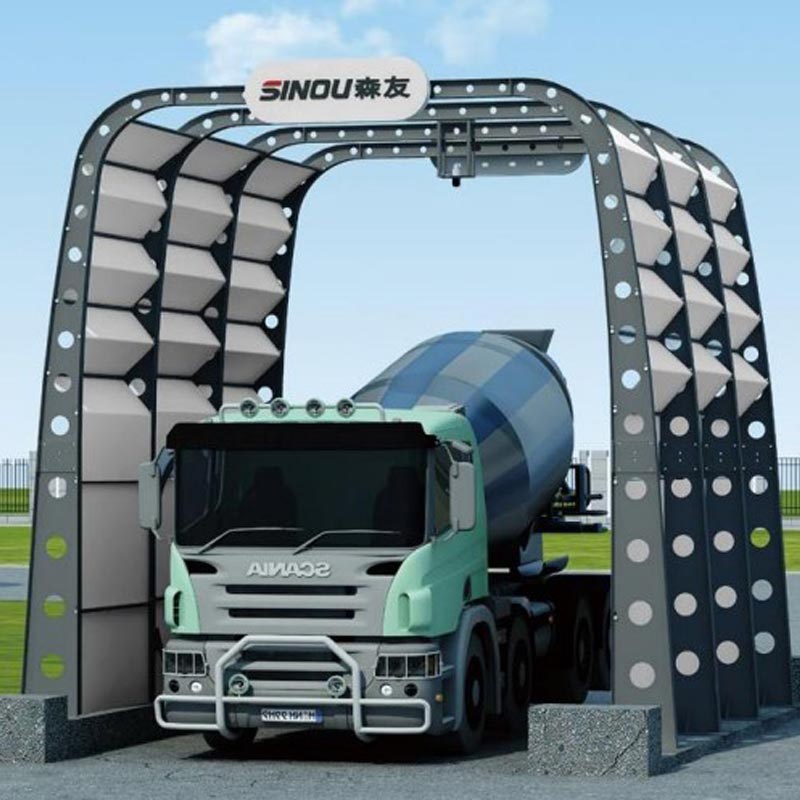
From an operational perspective, concrete batching plants generate truck-wash effluent and water recovered via aggregate-separation equipment. Driven by global zero-liquid-discharge operational principles, many producers reuse treated recovered water for concrete mixing. Water recycling delivers tangible water-conservation benefits. Nevertheless, reusing incompletely-treated wastewater carrying high suspended-solids loads, residual admixtures and dissolved salts disturbs cement-hydration processes, resulting in variable compressive strength and compromised durability. Industry specialists warn that recovered water must undergo sedimentation and solid-liquid separation treatment. Full-spectrum water-quality testing and concrete trial-mix validation are mandatory prior to reuse. Recycling proportions must be strictly controlled; untreated wastewater should never be fed directly into production cycles.
Concrete-technology experts highlight that raw-material quality control must leave no weak points. Many material-related defects do not manifest within standard 7-day or 28-day compressive-strength test windows; instead they surface years or decades afterwards, with very high remediation costs. Batching-plant operators should implement periodic mixing-water-testing programmes. Whenever water sources change — including surface water, groundwater or process-recycled water — re-evaluation of water chemistry is required, and production may only proceed once all parameters satisfy specification requirements. Construction-site and supervision teams should also raise awareness of mixing-water significance and integrate water-quality verification into raw-material acceptance procedures.As the global construction industry shifts toward long-lifespan asset design, high-performance outputs and low-carbon operations, ready-mixed-concrete quality assurance is evolving beyond short-term compressive-strength checks toward holistic full-lifecycle performance covering strength, crack resistance and corrosion resilience. Rigorous mixing-water quality control mitigates cracking and corrosion risks at source, supports safe and durable performance of engineering assets, and advances high-quality global infrastructure development.
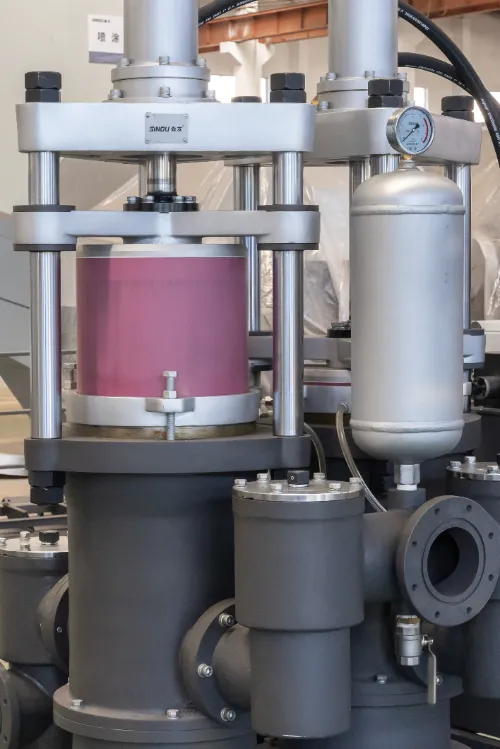
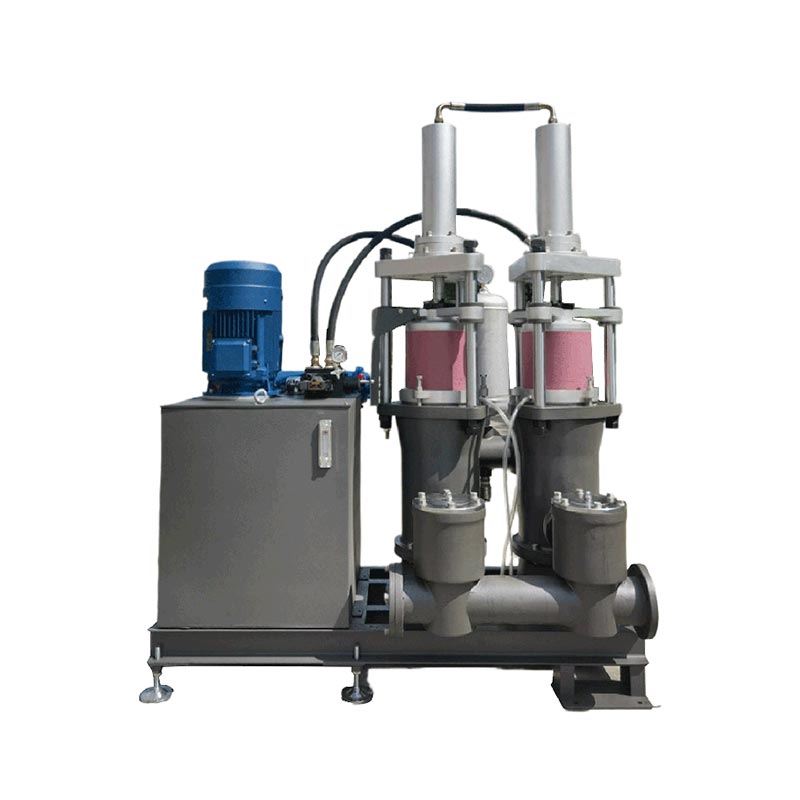
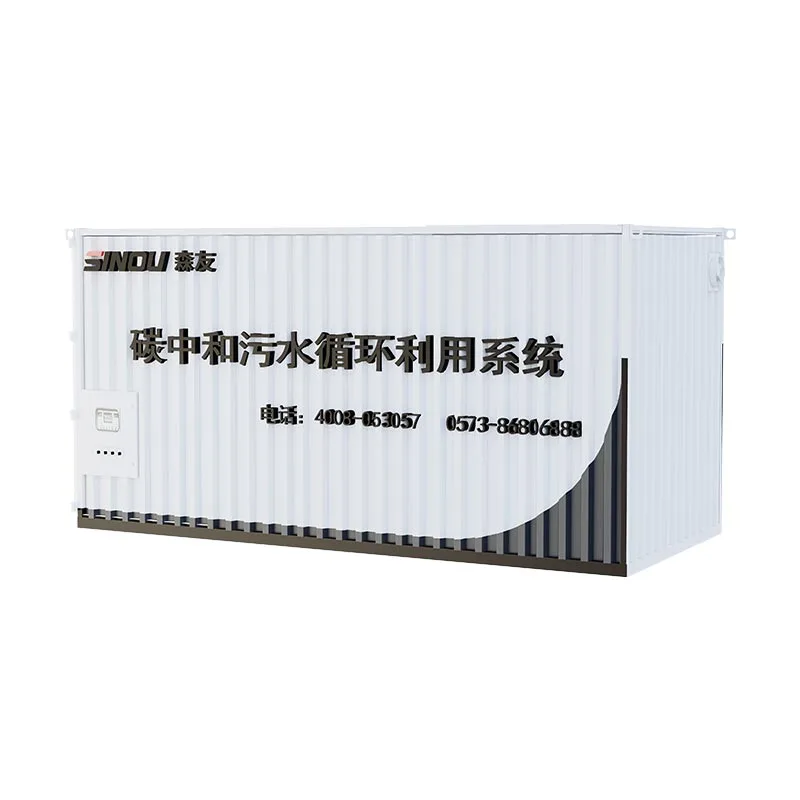
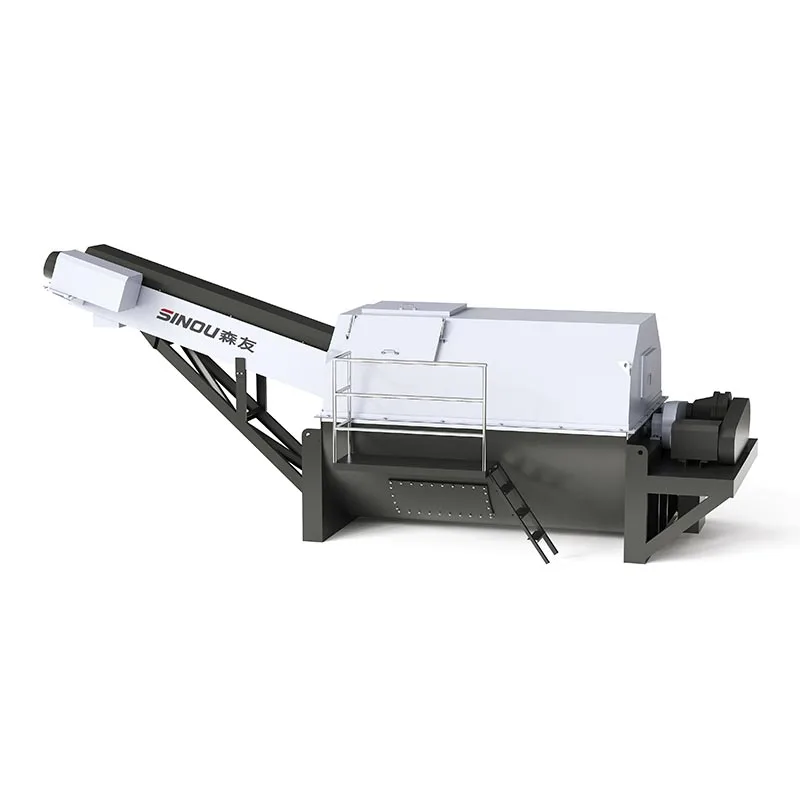
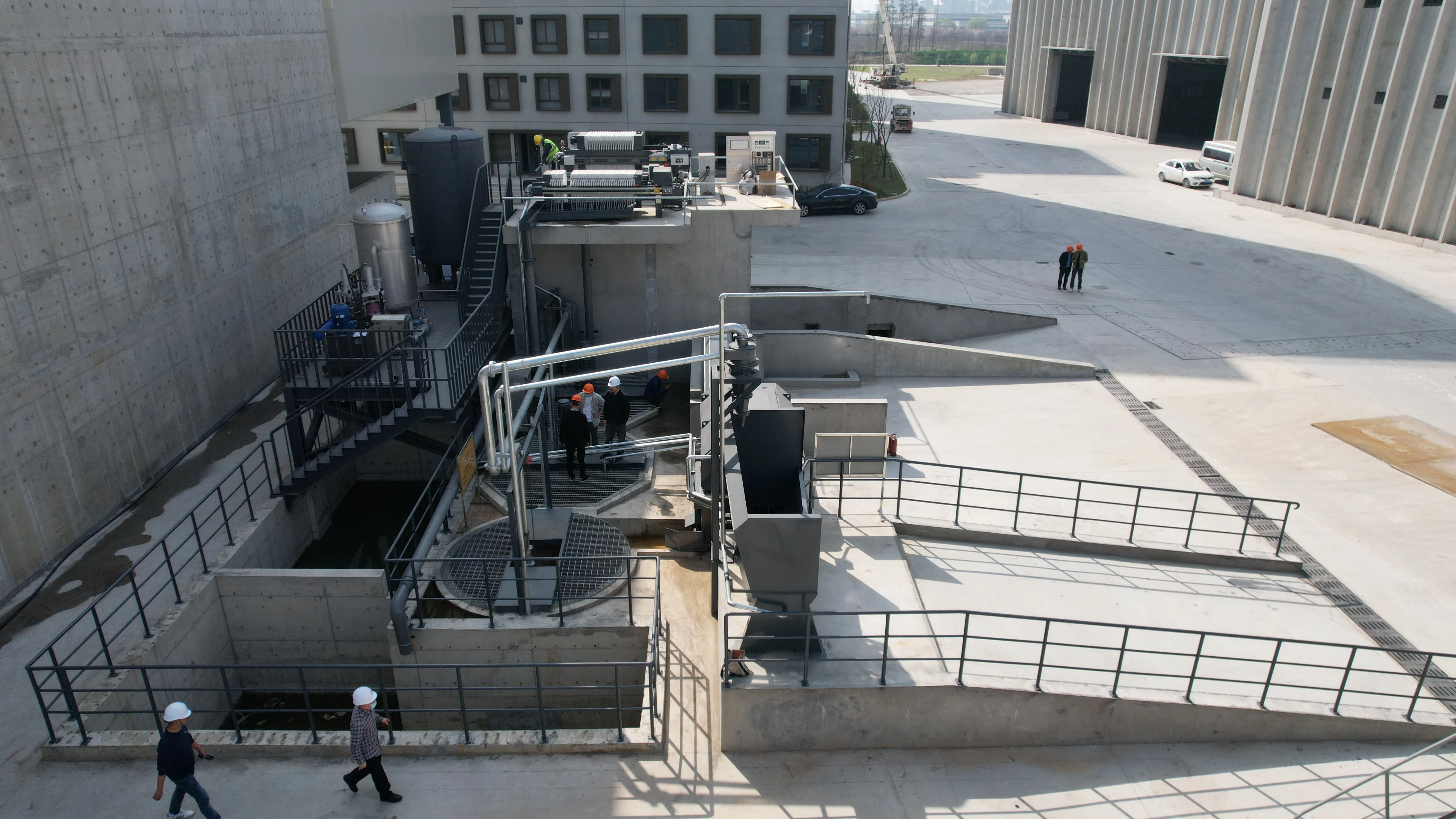
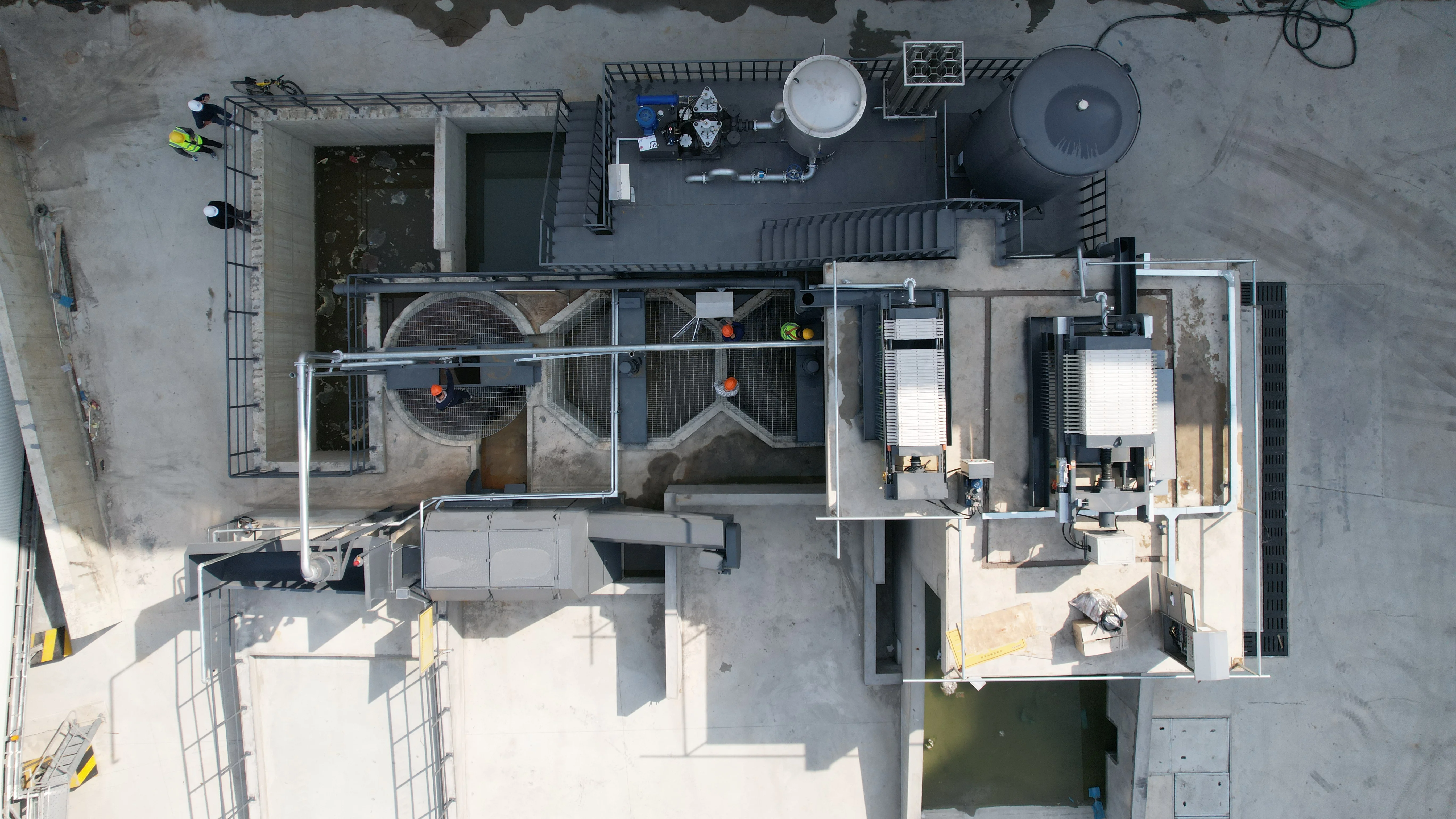
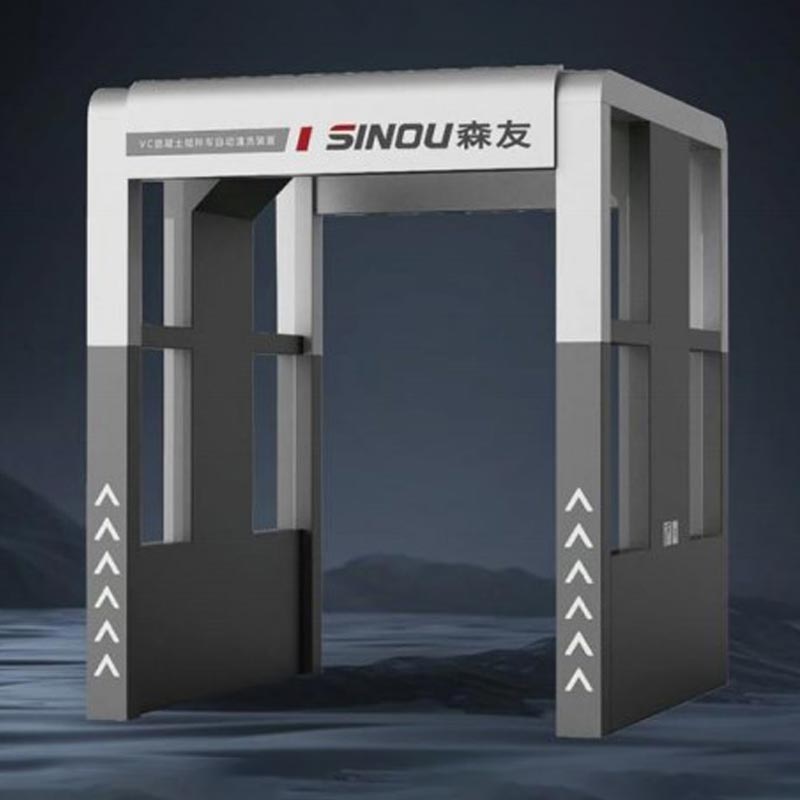
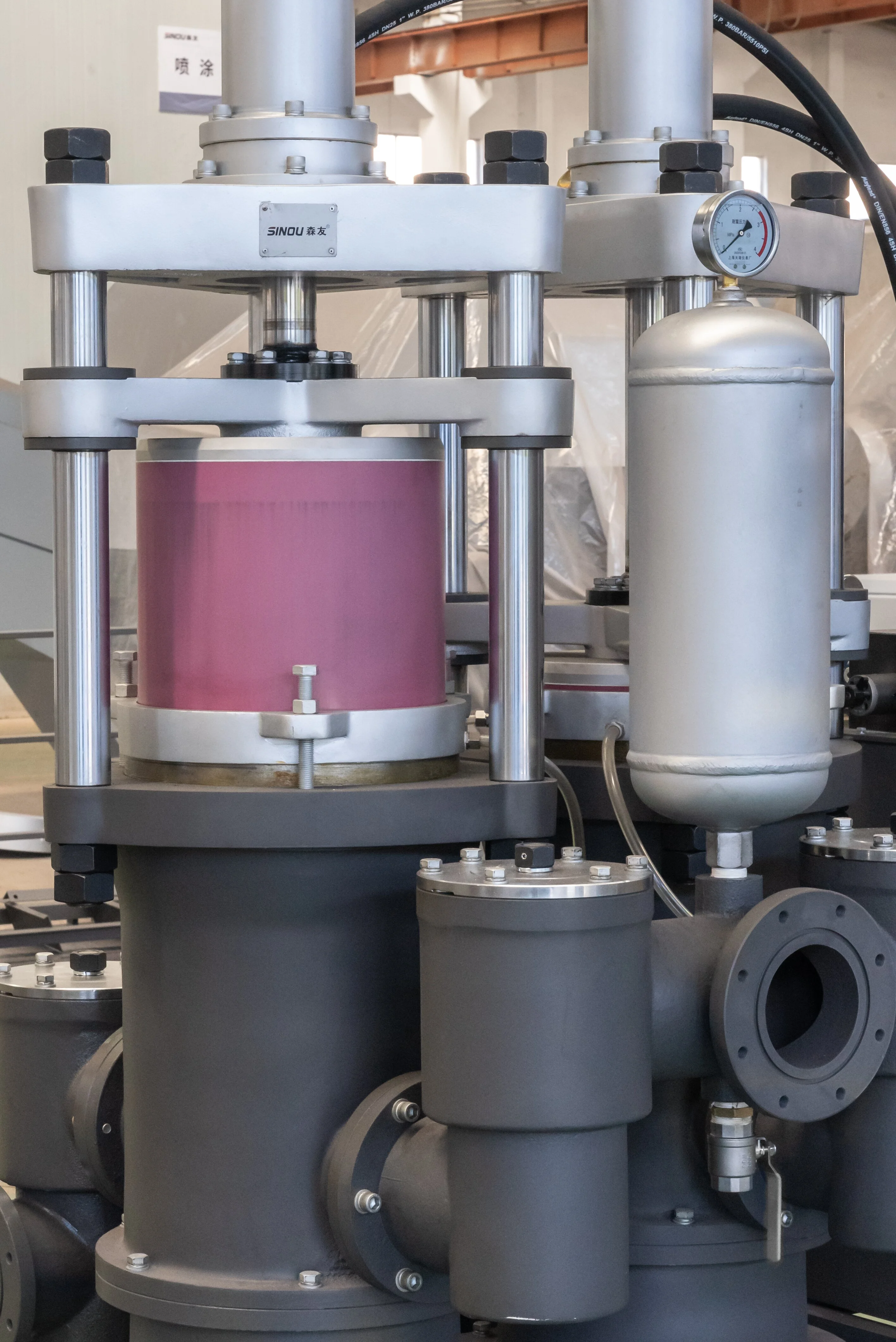
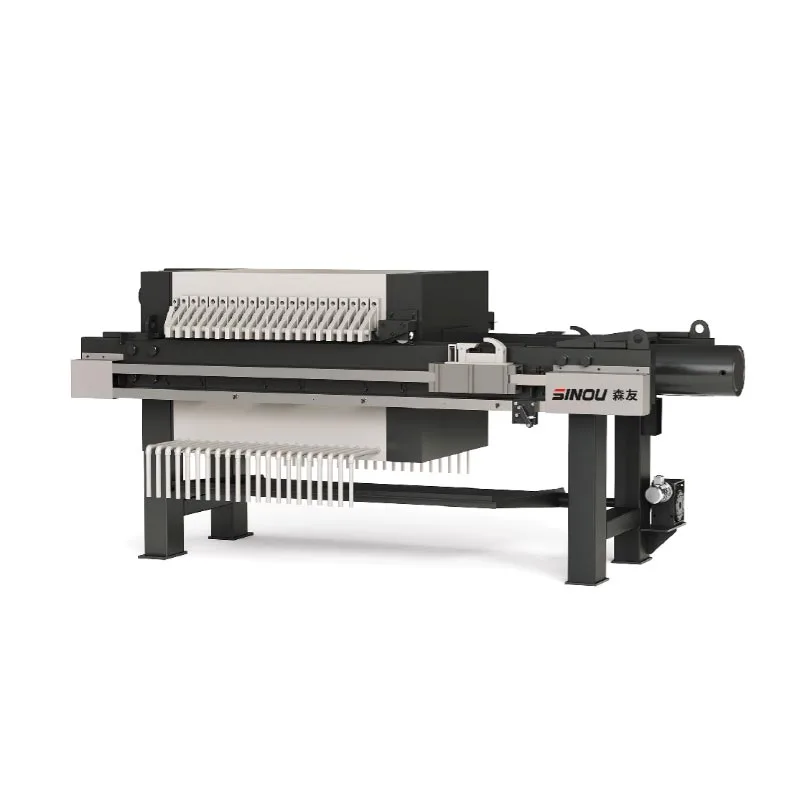
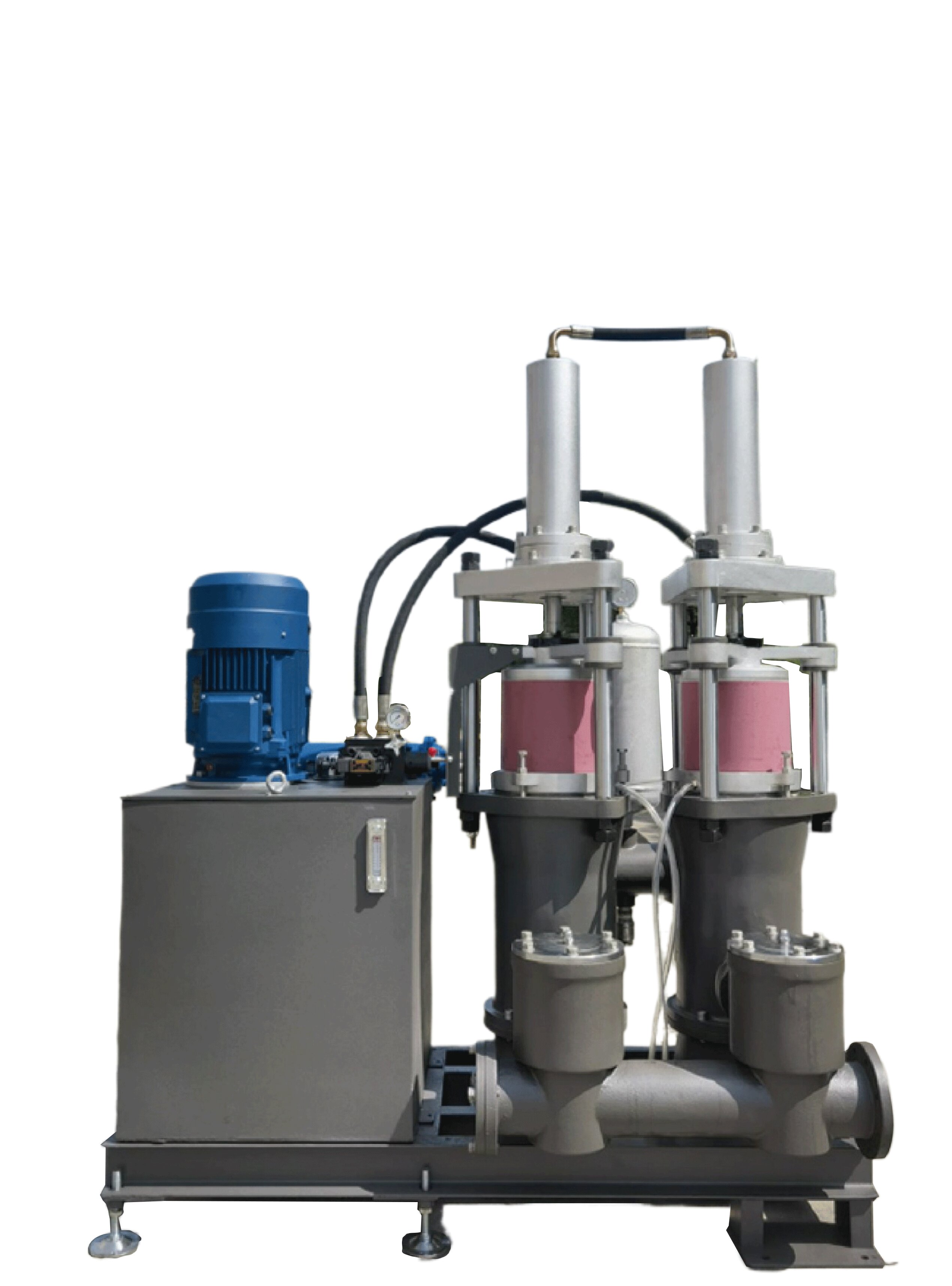
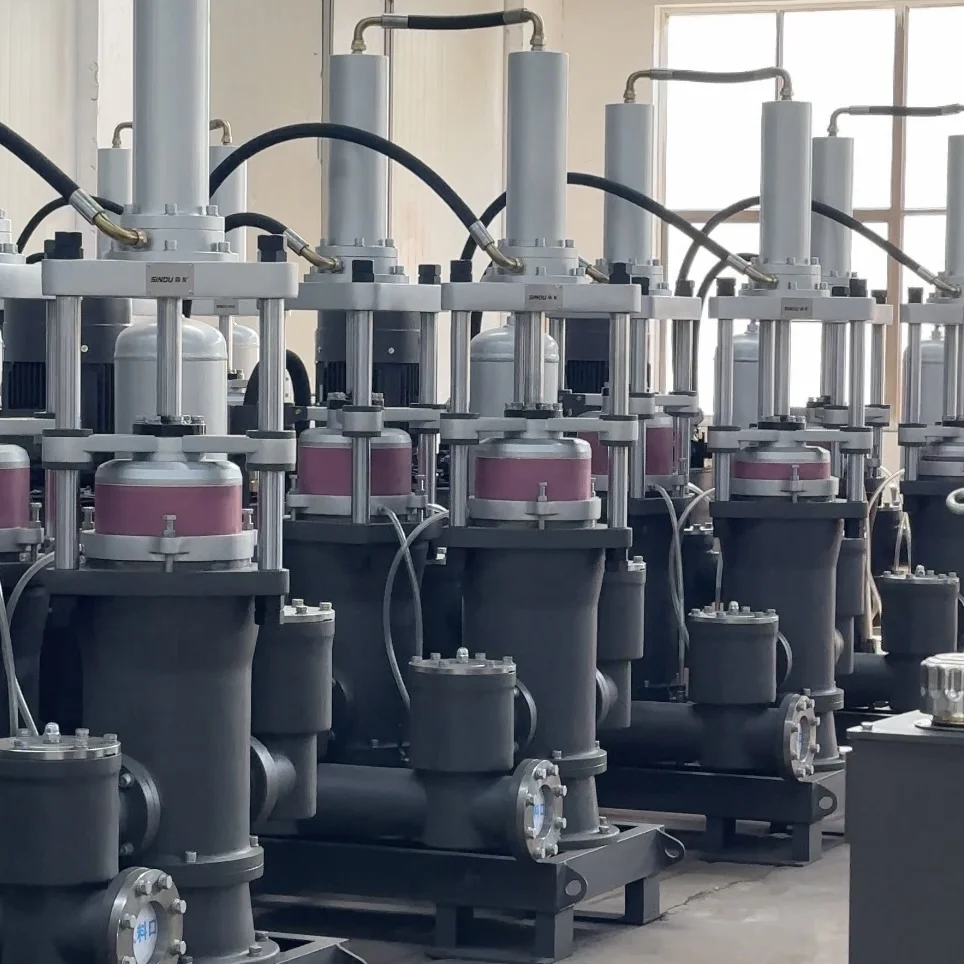
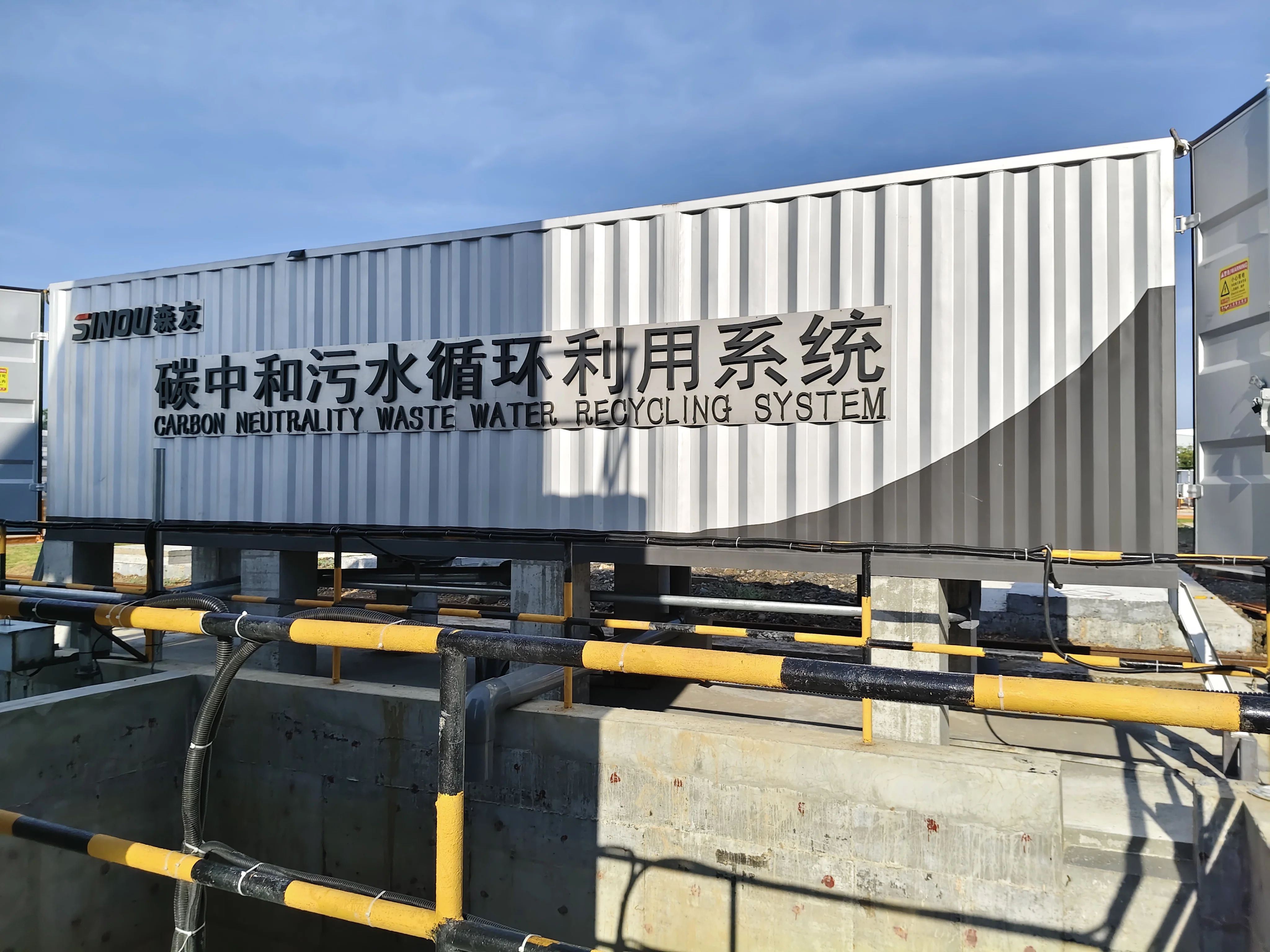
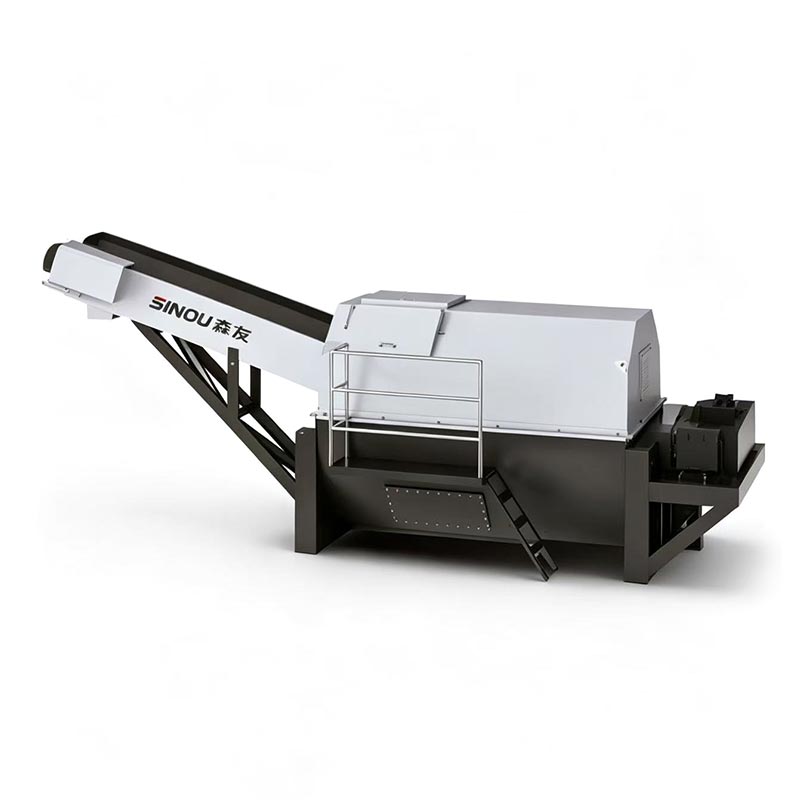
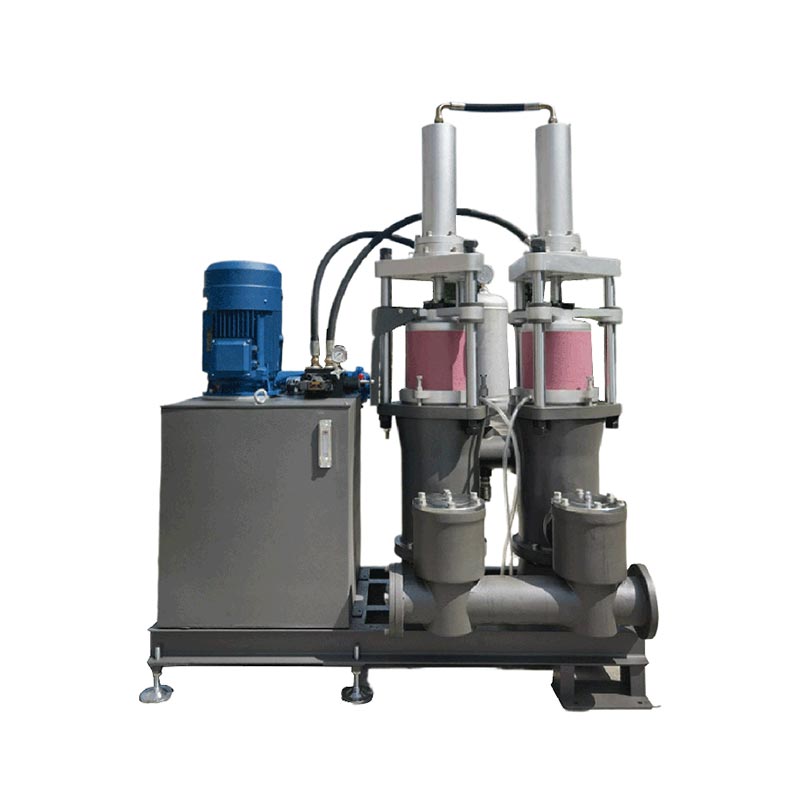
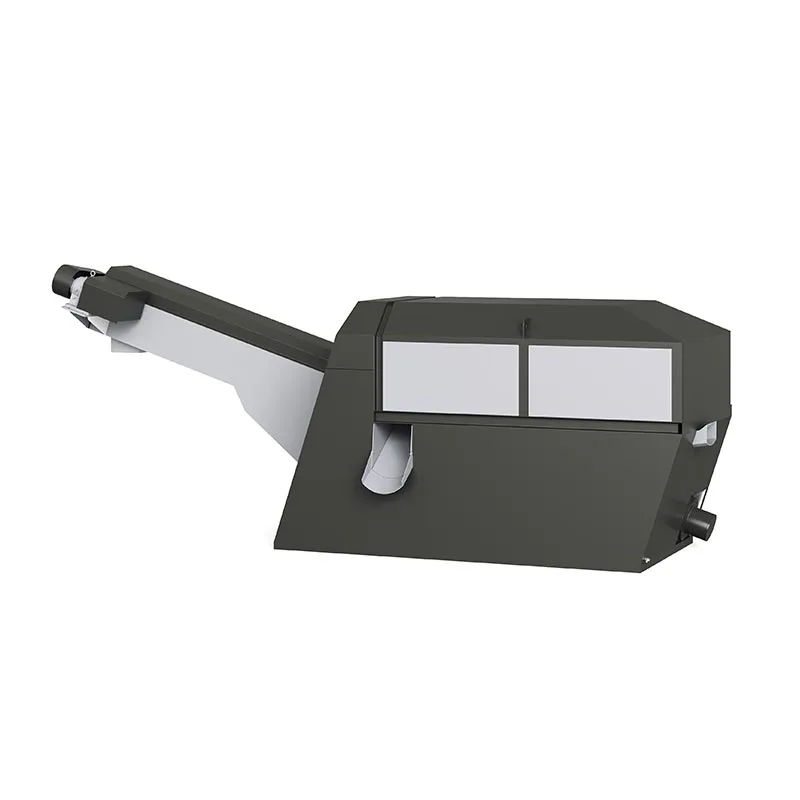
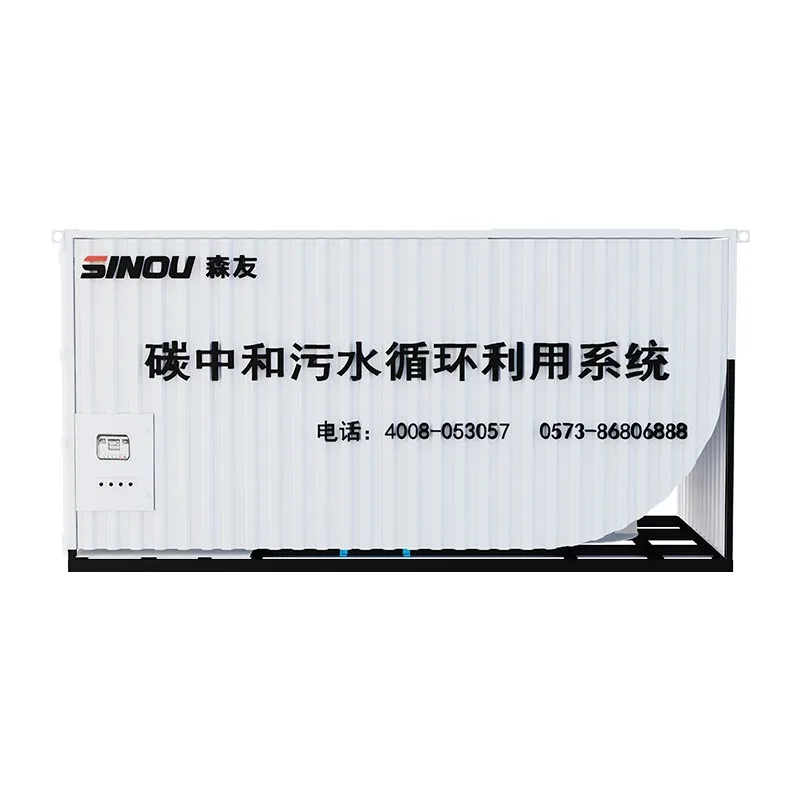
To address these stringent water quality control challenges for concrete batching facilities, our full portfolio of environmental equipment delivers a complete closed-loop treatment solution, including sand-stone separators, carbon-neutral wastewater neutralisation systems, filter presses and hydraulic ceramic plunger pumps.
Our sand-stone separators efficiently recover reusable sand and aggregate from truck wash effluent, while the dedicated wastewater neutralisation system stabilises pH values and suppresses harmful ion fluctuations in concrete wastewater. The filter press separates slurry into dry cake and clear treated water, and high-performance ceramic plunger pumps ensure stable, continuous medium conveying across the whole treatment line. Working in tandem, this set-up removes suspended solids, residual admixtures and soluble contaminants, bringing recycled water into compliance with international limits for pH, chloride, sulfate and alkali content for concrete mixing water.
This integrated solution enables batching plants to achieve zero liquid discharge, reduce freshwater consumption and advance carbon reduction targets. It eliminates quality volatility and long-term structural risks triggered by poorly controlled reused water, guaranteeing stable concrete strength and durability for infrastructure projects with a 100-year design service life. Optional online water quality monitoring can be integrated to simplify regular quality checks and lower manual testing overhead. It supports ready-mix producers worldwide to fulfil high-performance, low-carbon and sustainable production requirements for bridge, municipal, rail transit and large building developments.
Next:
-
Related News
- How the Sinou ZP plunger pump reduces sludge treatment OPEX
- What Makes an Air Cooled Hydraulic Ceramic Piston Pump For Filter Press a Reliable Sludge Feeding Solution?
- What Makes a Concrete Sewage Neutralization Treatment System Effective?
- Industry News: Hydraulic Ceramic Plunger Pump Solves Long‑Distance Conveying of 40% Solid‑Content Sludge
- How Can a Vibratory Concrete Reclaimer Improve Tunnel Project Waste Management?
- How Does a Heavy Duty Mixer Truck Washing Machine Improve Concrete Fleet Cleaning?
Leave me a message
New Products


News Recommendations