Overview
Large-scale ready-mix concrete production generates massive volumes of alkaline wastewater from mixer truck washing, residual concrete treatment and yard cleaning. Unregulated discharge causes water resource waste and soil & groundwater contamination. Direct reuse of untreated wastewater for concrete mixing brings hidden risks to concrete quality treatment enables wastewater recycling, delivering both economic and environmental benefits for batching plant operators.
1. Sources & Water quality characteristics of batching plant wastewater
(1) Main wastewater sources
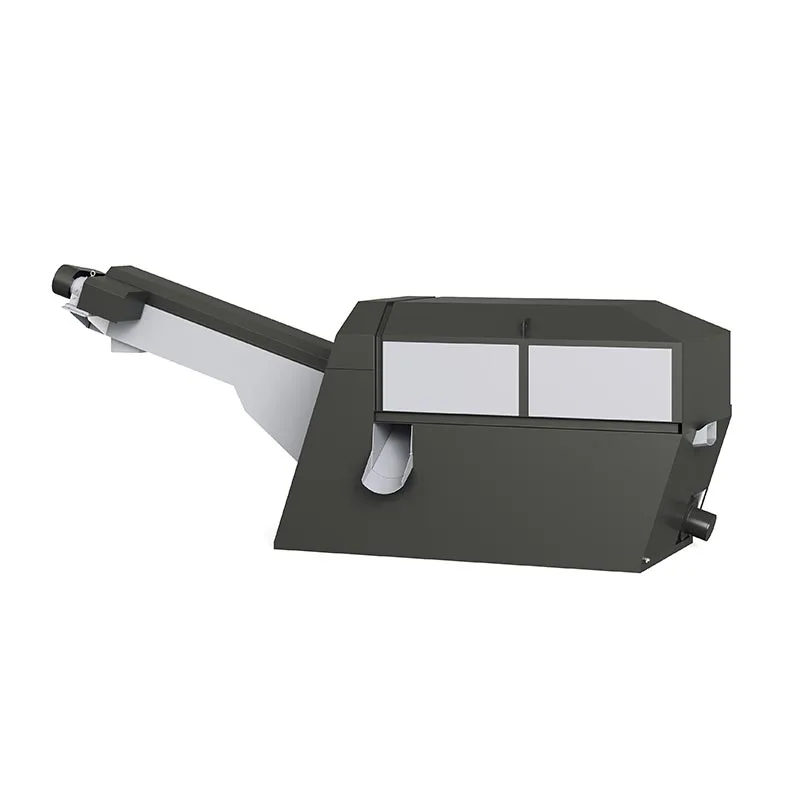
① Wastewater produced during waste concrete separation by sand and gravel separators
② Washing water for mixers and transit mixer trucks
③ Yard flushing sewage
④ Partial rainwater flowing into wastewater collection pits
(2) Typical water quality features
Test samples collected from operating batching plants show:
① pH value reaches 12.5--12.8, strongly alkaline
② High content of insoluble solids far exceeding limits specified in concrete mixing water standard JGJ63-2006
③ Elevated total alkali content; chloride and sulfate ions generally stay within standard limits.
2. Risks of reusing untreated alkaline wastewater for concrete mixing
If high-pH raw wastewater is directly adopted as mixing water, multiple negative impacts on concrete performance will occur:
(1) Risk of alkali-aggregate reaction
When pH exceeds 12.5, silica dissolves significantly from alkali-reactive aggregates. This may trigger alkali-aggregate reaction inside concrete, resulting in volume expansion, cracking and reduced long-term durability.
(2) Disturbed strength development
High-alkaline conditions accelerate early-age strength gain yet restrain later stage cement hydration. It harms late age strength development of concrete. Under low-alkali conditions, hydration products favour long-term strength improvement.
(3) Compatibility issues with polycarboxylate superplasticizers
Excess alkali reduces the efficiency of superplasticizers. It leads to declined workability, shortened setting time, faster slump loss, and creates construction difficulties especially for pumped concrete.
(4) Negative effect brought by insoluble suspended solids
High content fine insoluble particles increase water demand of fresh concrete, weaken bonding between aggregate and cement paste, and adsorb admixtures, further deteriorating concrete workability and mechanical properties.
Reference: Test data and analysis cited from Impact of Batching Plant Wastewater on Concrete Performance and Its Recycling Utilization.
3. Treatment solution: Pressure filtration + CO₂ gas neutralization
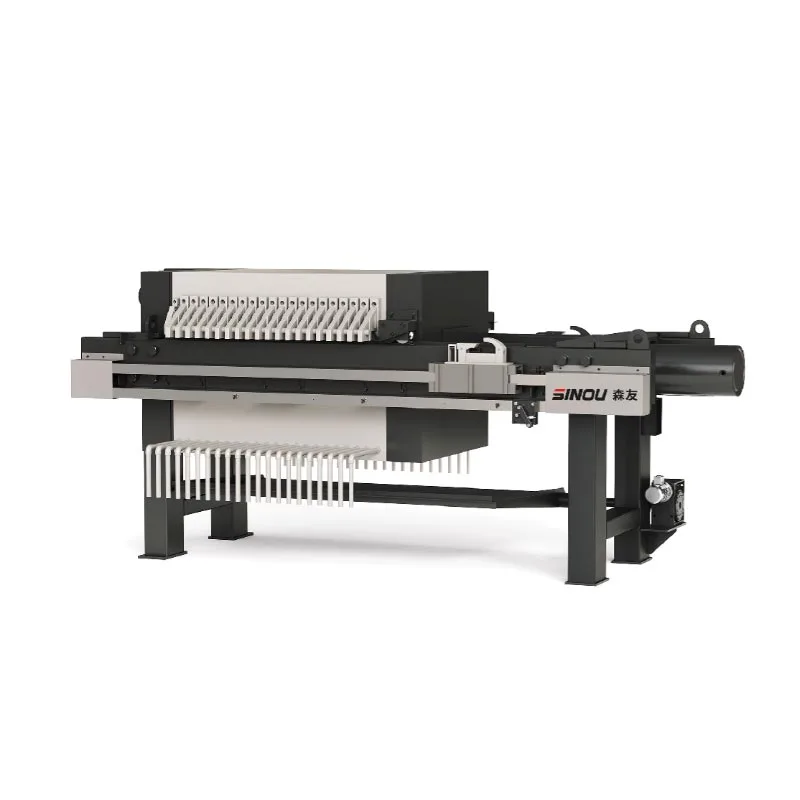
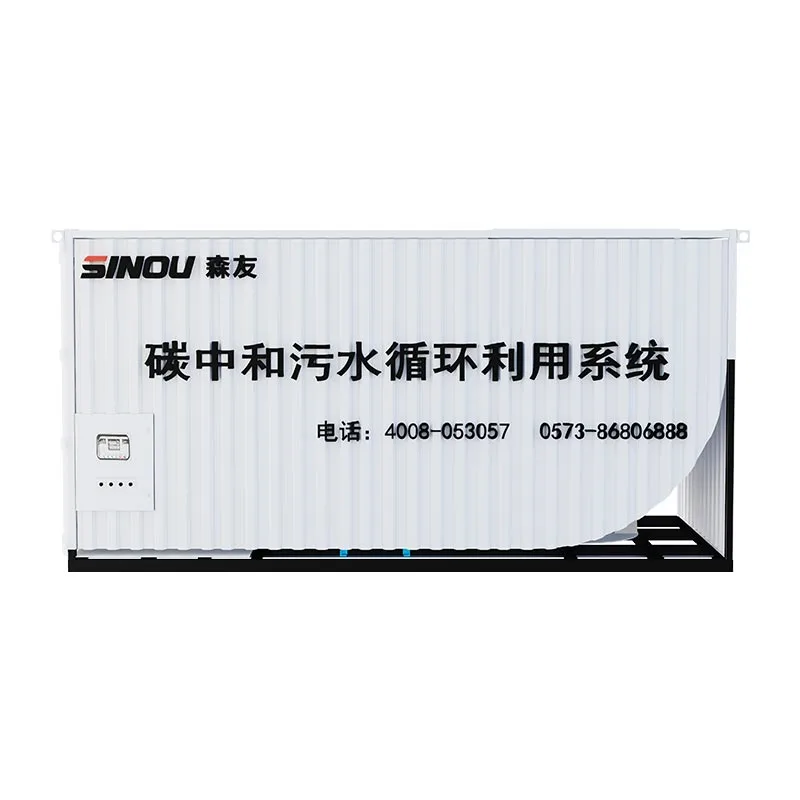
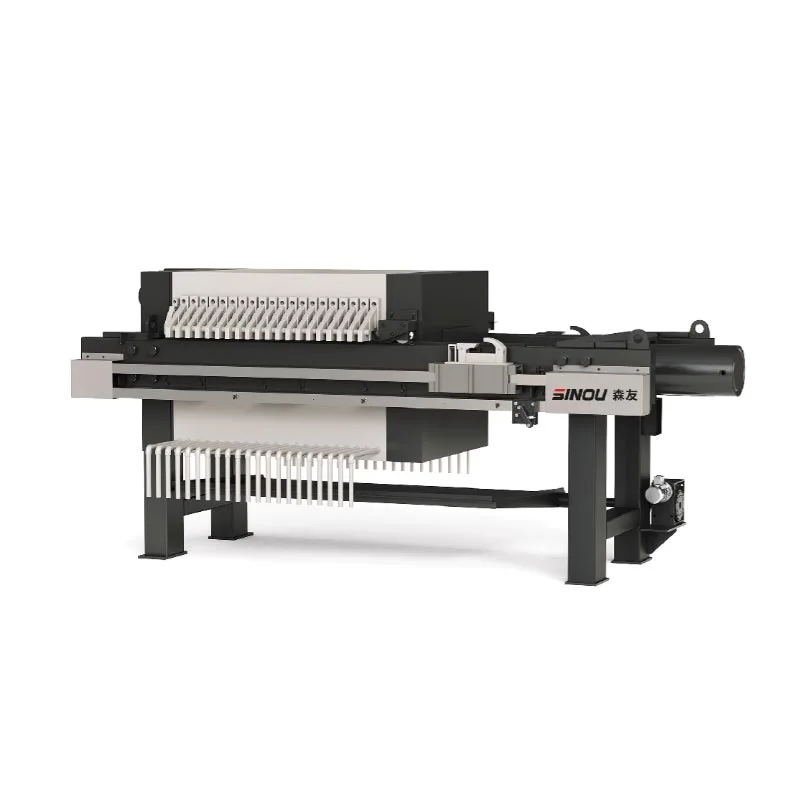
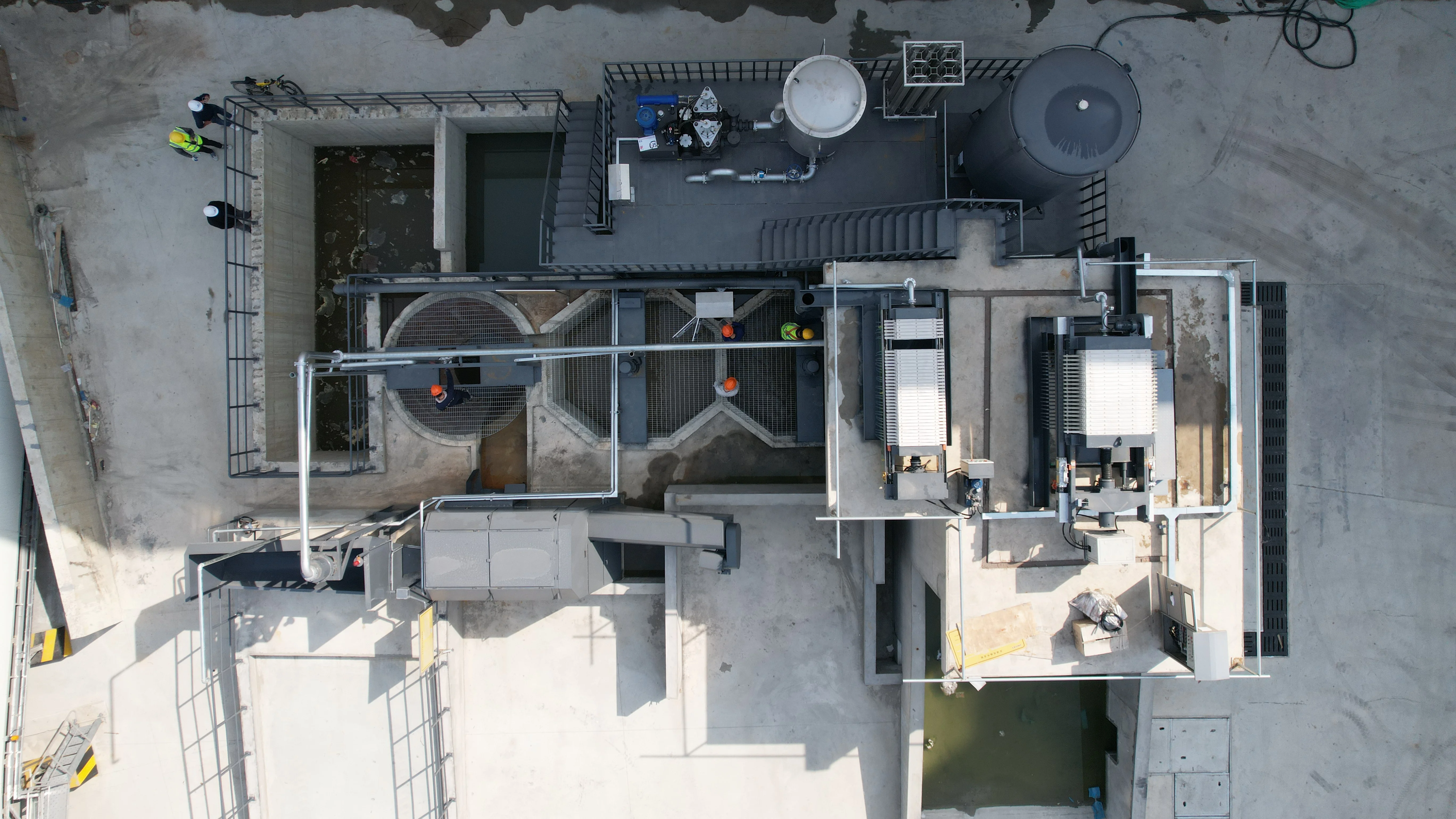
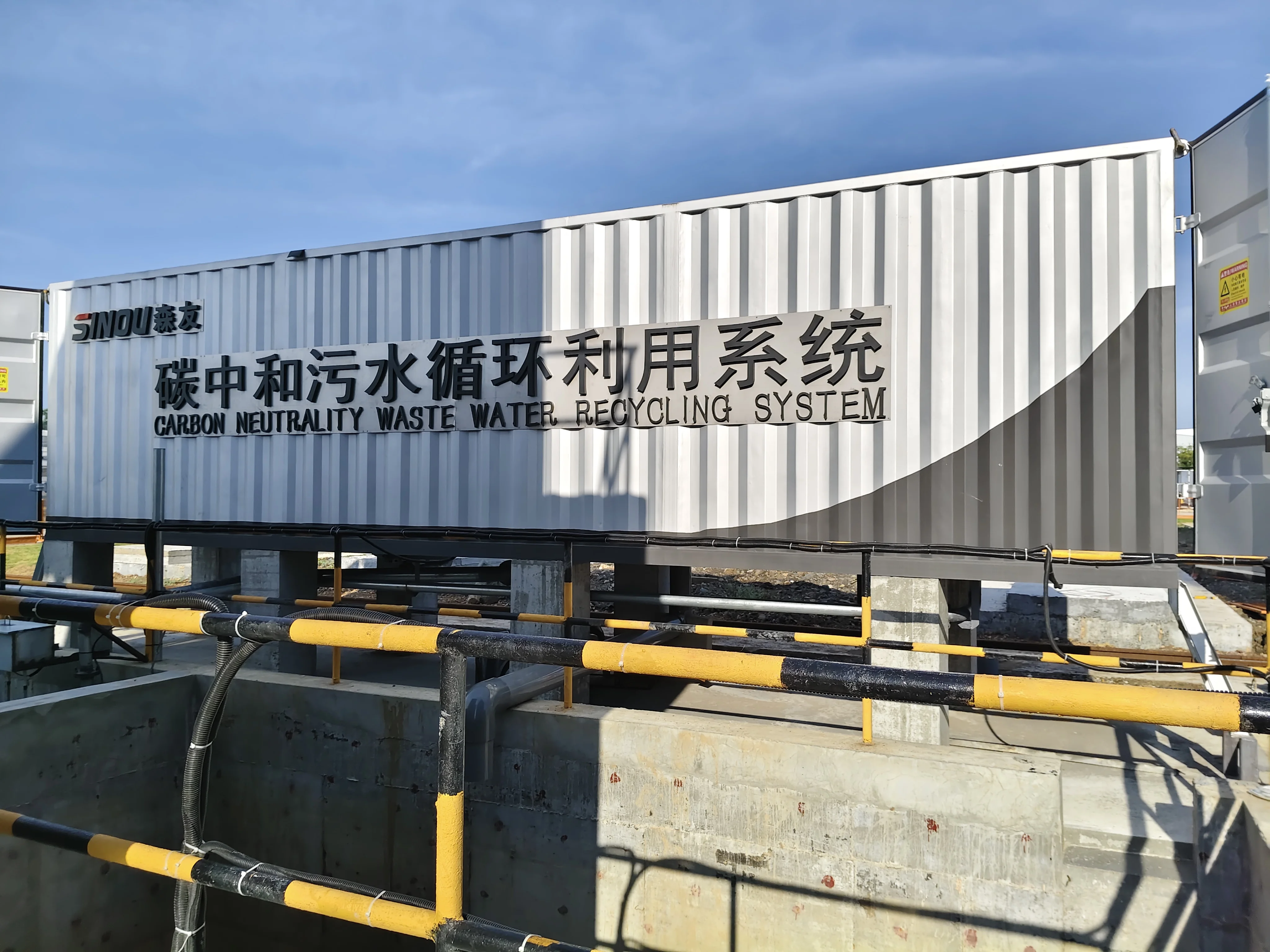
To eliminate above risks, the integrated automatic wastewater to reclaimed water system combines chamber filter press solid and liquid separation and CO₂ gas phase neutralization.
(1) Core process flow
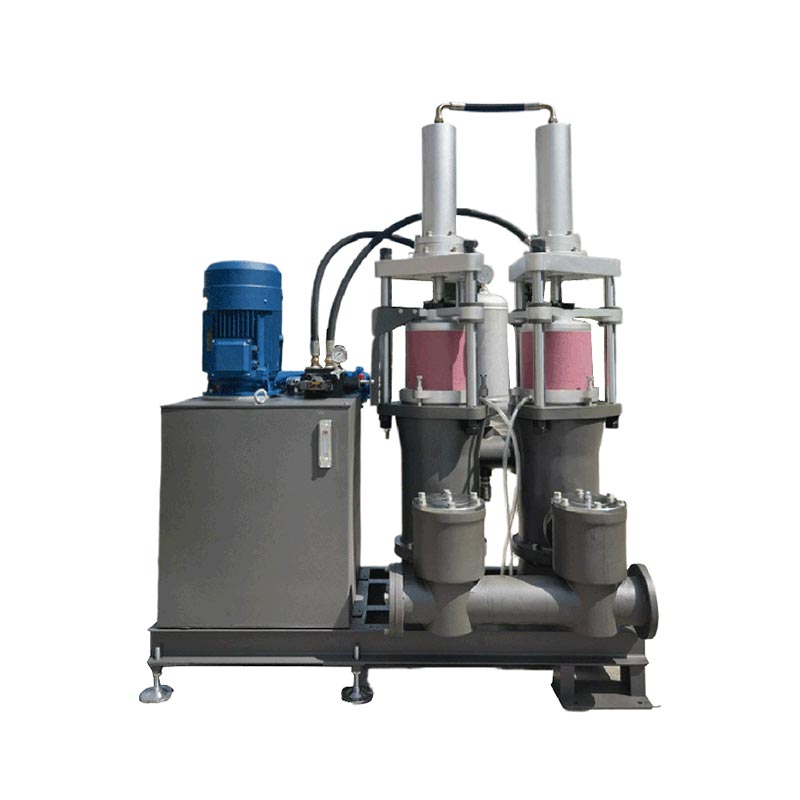
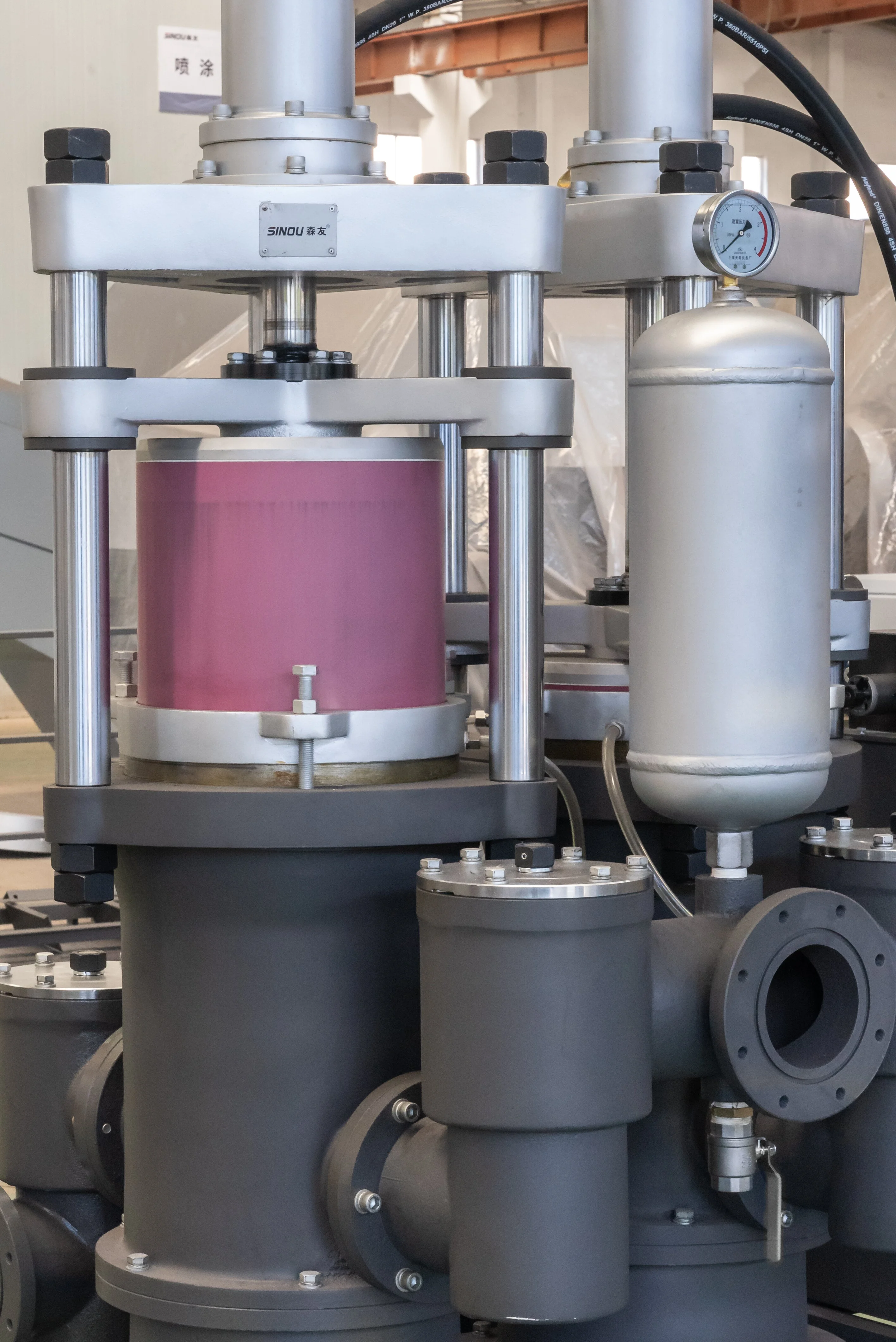
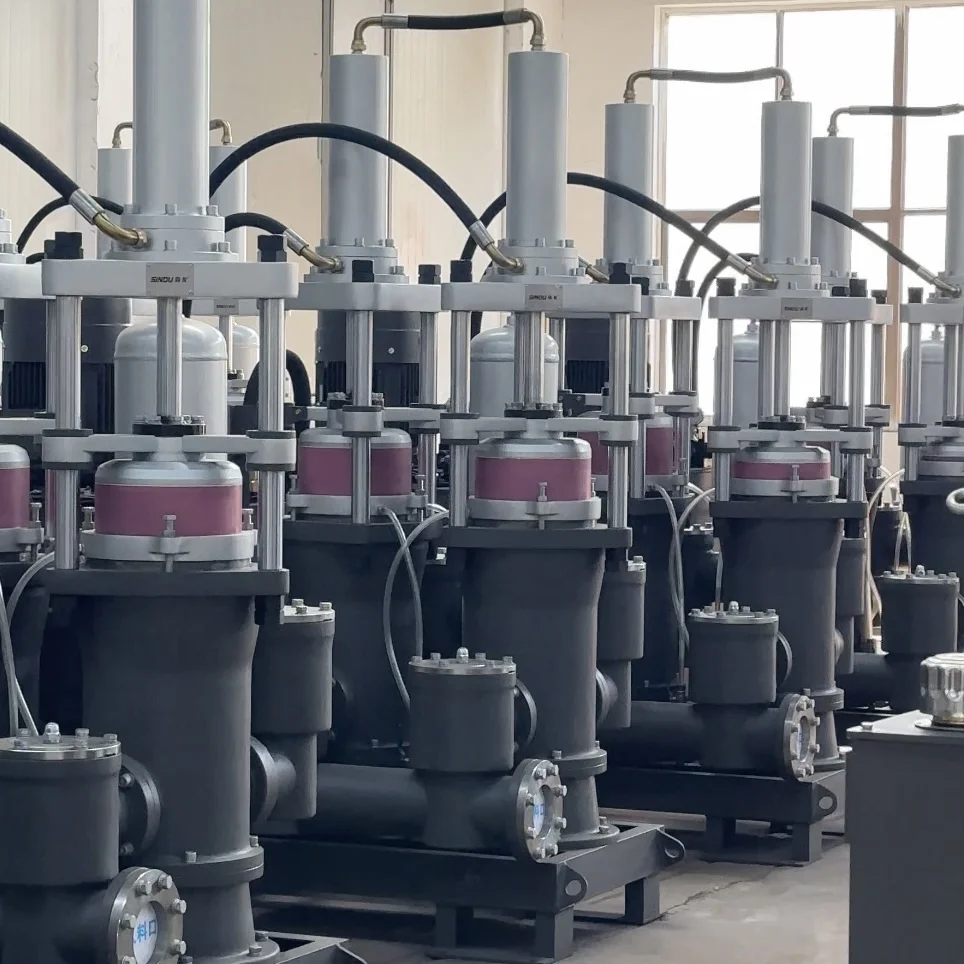
① Raw wastewater enters sewage tank → delivered by high pressure plunger pump to filter press for solid and liquid separation. Insoluble solids are removed as filter cake.
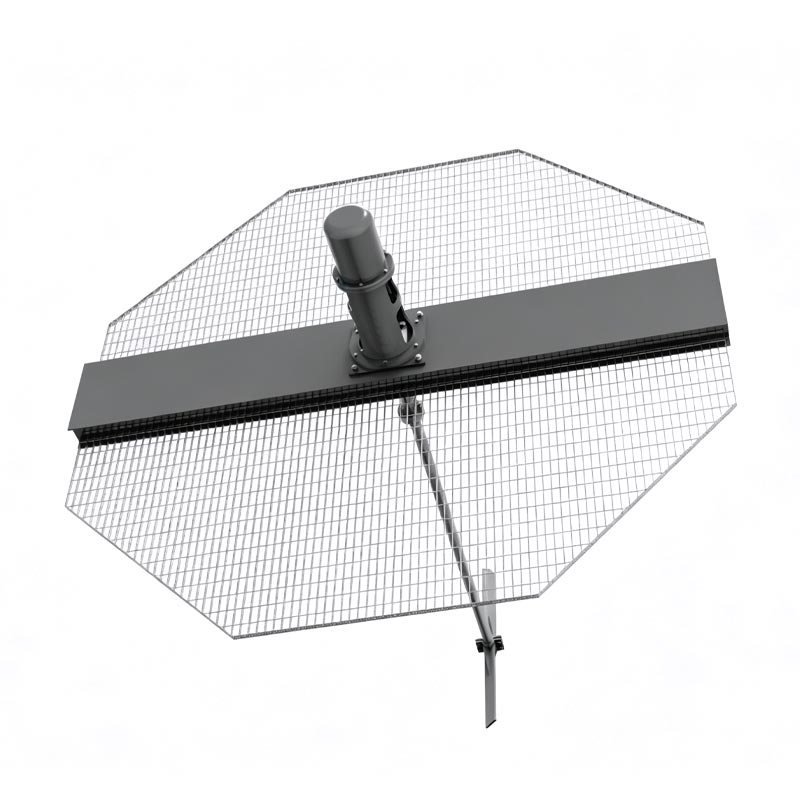
② Filtrate flows into raw water tank, pumped into reactor for atomization, and fully reacts with injected CO₂ gas.
③ Neutralized water flows into inclined plate sedimentation tank; clarified water overflows to clean water tank for reuse.
④ Full automatic control via online pH monitoring and liquid-level sensors.
(2) Water quality after treatment
After filter press separation and CO₂ neutralization:
① pH adjusts to neutral range around 7.0
② Insoluble substances, soluble substances and total alkali content drop substantially
③ Treated reclaimed water meets requirements of JGJ63-2006 Concrete Mixing-Water Standard and GB/T19923-2005 Reuse of Recycled Water for Industrial Water Sources, and can be reused for concrete mixing and truck washing.
4. Key influencing factors for CO₂ neutralization efficiency
Laboratory tests identify three critical operating parameters for optimal neutralization performance:
(1) Inlet water pressure: Best performance at 0.3 MPa; further pressure increase brings limited improvement yet raises energy consumption.
(2) Water flow rate: Optimal processing capacity reaches 30 m³/h under test conditions.
(3) CO₂ gas pressure: Recommended set-point at 0.05 MPa.
Note: When two of these three parameters change, the third should be adjusted accordingly to maintain stable neutralizing efficiency.
5. Consumption & comprehensive operating cost
(1) Average CO₂ consumption: 1.39 kg per cubic metre of wastewater, average CO₂ utilization ratio approx. 80.3%.
(2) Material cost: 2.0-2.7 CNY/m³; power consumption cost: 0.25-0.35 CNY/m³.
(3) Comprehensive treatment cost is competitive compared with purchasing fresh industrial water for batching plant production.ConclusionUntreated high-alkaline batching plant wastewater cannot be directly reused for concrete mixing due to durability and workability risks. The combined process of filter press solid-liquid separation plus CO₂ gas neutralization can turn high-pH sewage into qualified reclaimed water. It realizes on-site wastewater recycling and near zero discharge, delivering tangible economic benefits while cutting water consumption and environmental pollution for ready-mix producers.
Source: Adapted from the paper Impact of Batching Plant Wastewater on Concrete Performance and Its Recycling Utilization (Huang Haicheng, et al., Zhejiang Sinou Environmental Protection Equipment Co., Ltd.)