English
- English
- Español
- Português
- русский
- Français
- 日本語
- Deutsch
- tiếng Việt
- Italiano
- Nederlands
- ภาษาไทย
- Polski
- 한국어
- Svenska
- magyar
- Malay
- বাংলা ভাষার
- Dansk
- Suomi
- हिन्दी
- Pilipino
- Türkçe
- Gaeilge
- العربية
- Indonesia
- Norsk
- تمل
- český
- ελληνικά
- український
- Javanese
- فارسی
- தமிழ்
- తెలుగు
- नेपाली
- Burmese
- български
- ລາວ
- Latine
- Қазақша
- Euskal
- Azərbaycan
- Slovenský jazyk
- Македонски
- Lietuvos
- Eesti Keel
- Română
- Slovenski
- मराठी
- Srpski језик

News
What Is Carbon-Neutral Wastewater Treatment System for Concrete Mixing Plants?
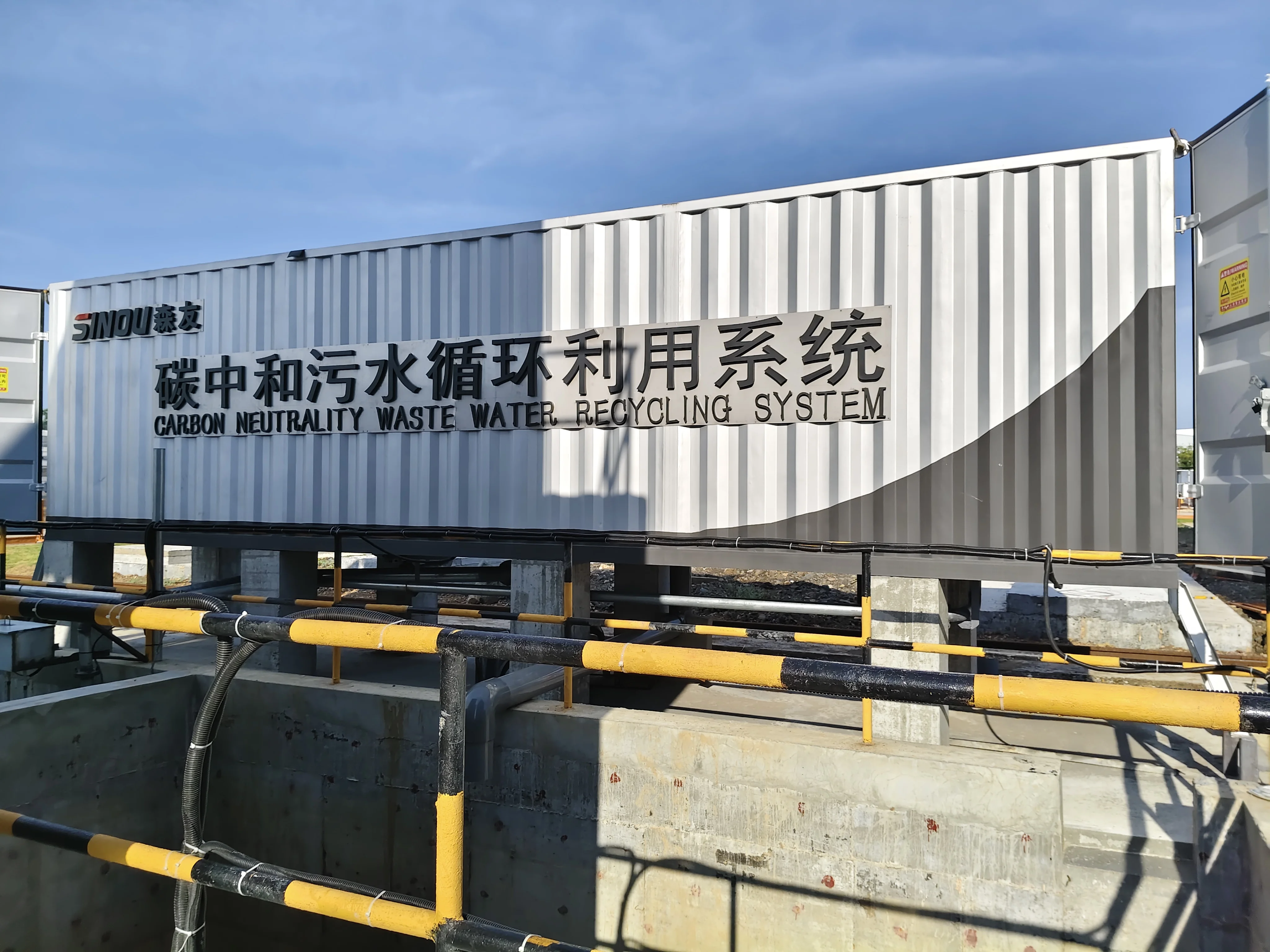
The carbon-neutral wastewater treatment system for concrete mixing plants is a low-carbon, eco-friendly equipment solution that uses carbon dioxide instead of traditional mineral acids as the neutralizing medium to automatically treat highly alkaline wastewater from mixing stations, ultimately achieving multiple objectives: wastewater recycling, solid waste recovery, and carbon reduction.
Core Operating Principle:
This system is specifically designed for highly alkaline wastewater from mixing stations with a pH range of 12.5–13, employing CO₂ gas atomization neutralization technology.
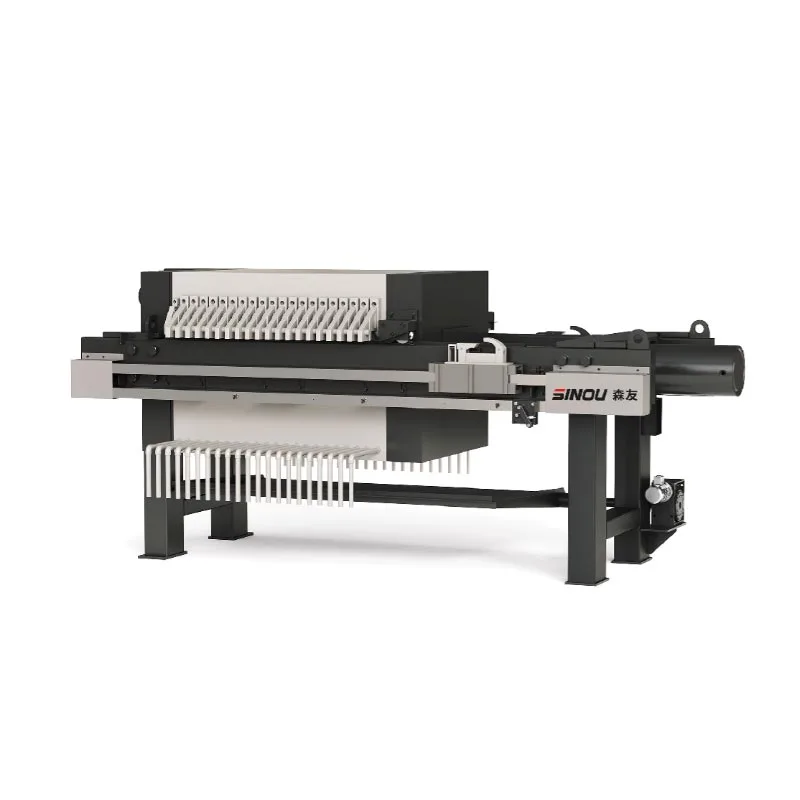
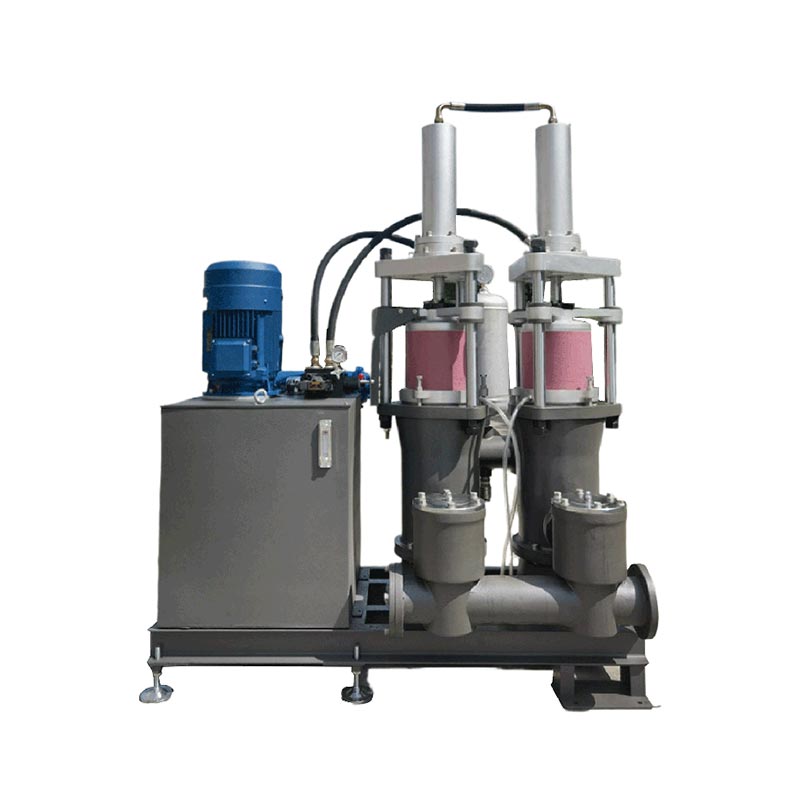
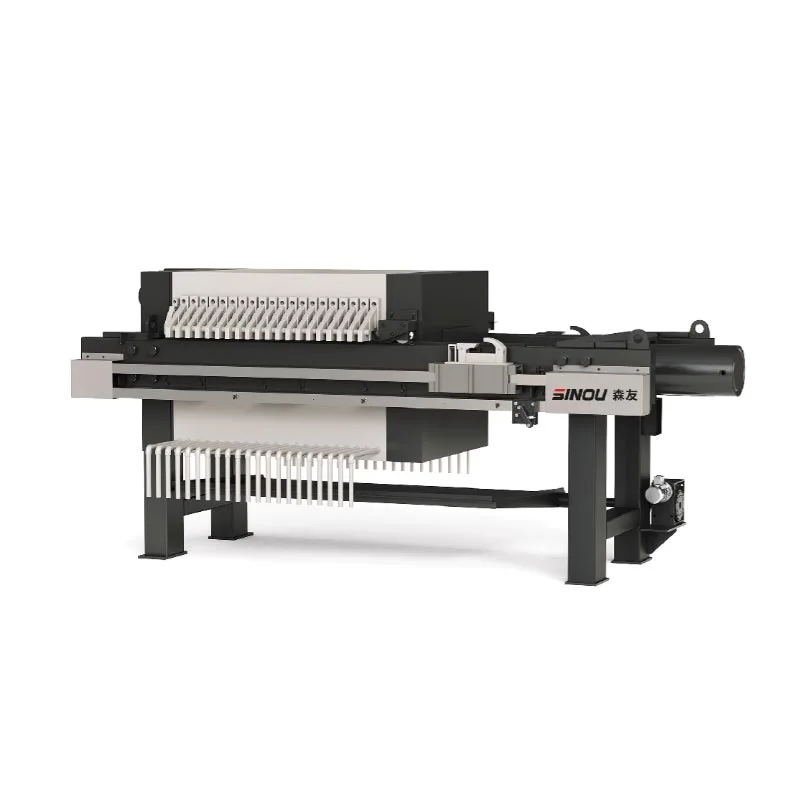
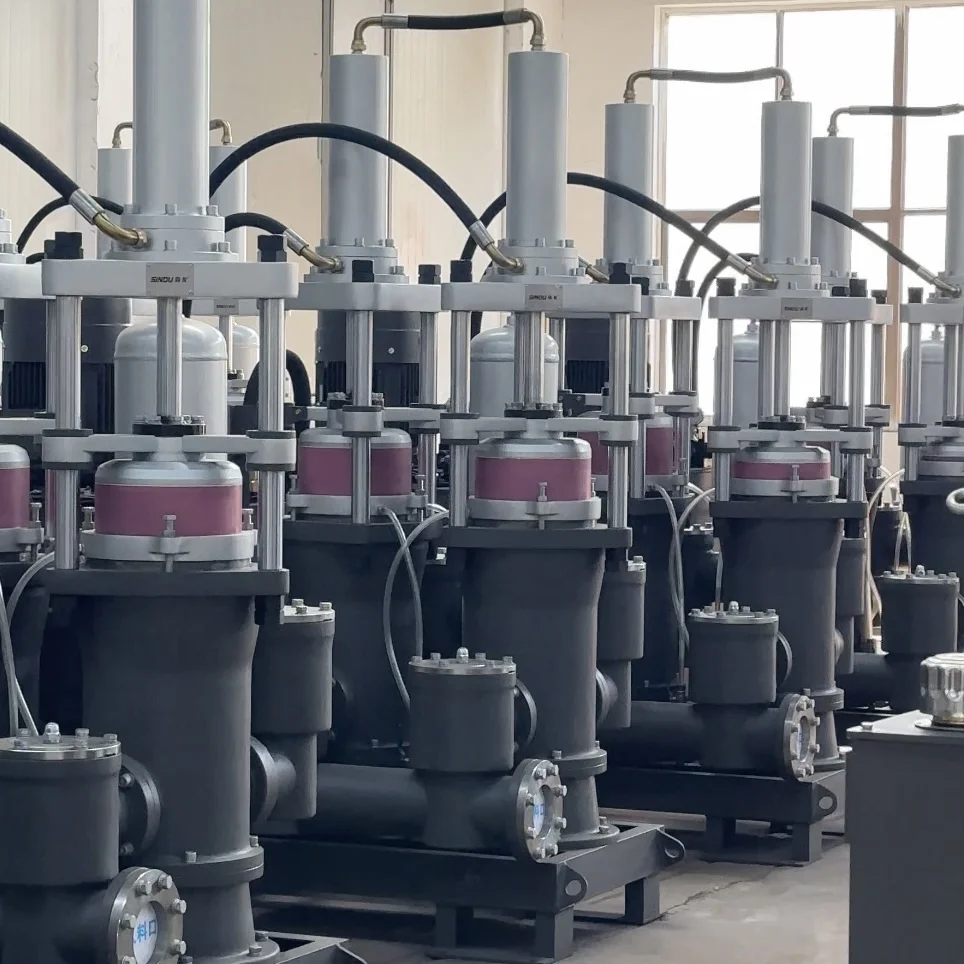
The process begins with solid-liquid separation using a filter press to remove suspended particles and insoluble substances such as cement gel. The filtrate is then pumped by a high pressure hydraulic ceramic piston pump into a neutralization reactor, where it fully reacts with introduced carbon dioxide under atomized conditions, precisely adjusting the pH to the compliant range of 6–9.
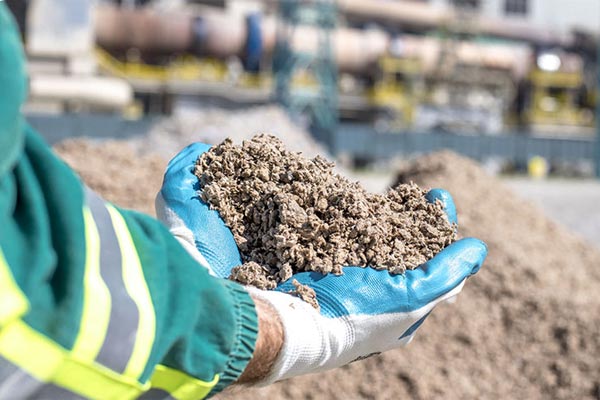
The resulting carbonate precipitate can be recycled as construction material raw material, while the treated water is stored in a storage tank for direct reuse in concrete production and vehicle washing applications. The entire operation is fully automated via a PLC-controlled system integrated with online pH sensors and radar level meters, enabling unmanned operation.
Compared to traditional neutralization methods using hydrochloric or sulfuric acid, this technology completely eliminates safety hazards and secondary pollution caused by highly corrosive mineral acids, truly achieving the emission-reduction goal of "treating waste with waste."
Evolution of Core Technology:
The industry has now progressed to version 3.0 of this system, with significant differences in key performance metrics across versions.
1.0 Trial Version: Utilizing oxalic acid neutralization technology, the wastewater treatment cost is approximately 17 yuan per cubic meter, with relatively high energy and material consumption costs.
2.0 Version: Switched to carbon dioxide neutralization technology, eliminating chemical reagent usage and significantly reducing treatment costs to 2 yuan per cubic meter, meeting the basic requirements for reclaimed water reuse.
Version 3.0 upgrade: It innovatively introduces new processes such as pipeline vortex jet technology, completely confining the alkaline wastewater neutralization process within sealed pipelines to prevent carbon dioxide leakage and further reduce resource consumption. This is expected to lower overall treatment costs to 1 yuan per cubic meter, achieving the ultimate goals of full wastewater reuse, zero pollution, and zero discharge at the mixing station.
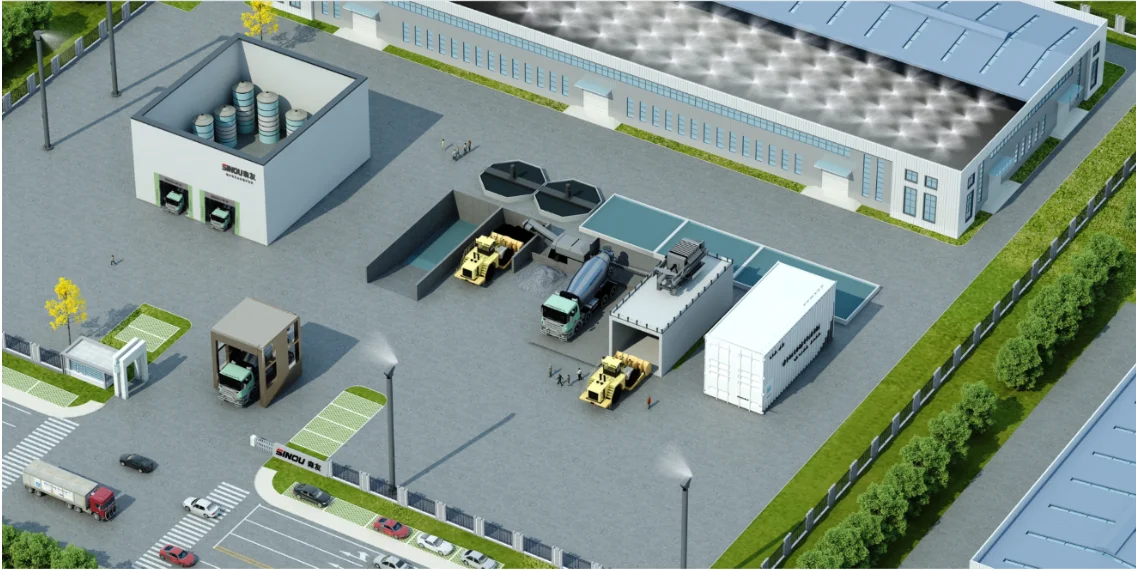
Some companies' next-generation neutralization devices feature a rotating water distribution plate that creates a water barrier within the airflow channel for discharged wastewater, significantly enhancing the contact efficiency between CO₂and wastewater while further optimizing gas utilization.
The application and industry value of this technology have been widely promoted domestically: Zhejiang Sinou Environmental Protection's carbon-neutral wastewater treatment system was awarded the title of "First (Set) Equipment in Zhejiang Province's Manufacturing Industry" as early as 2021, with its products exported to over 20 countries and regions including Southeast Asia, Europe, and the Middle East, providing long-term services to leading enterprises such as China Communications Construction Company, China Railway Group, and Sany Heavy Industry.
Yunnan Yuxi's Hydropower Zhida Concrete Company has even achieved fish-fishable water quality in its treated pools by adopting this CO₂-based water treatment equipment, achieving zero discharge of wastewater from the facility and establishing itself as a benchmark case for zero-emission production of green building materials locally.
This system comprehensively addresses the key challenges of traditional wastewater treatment processes—such as poor treatment efficiency, inability to reuse water resources, and high operating costs. While enabling full wastewater recycling, it also consumes carbon dioxide and recovers calcium carbonate by-products, fully aligning with the policy objectives for green and low-carbon transformation in the concrete industry. It serves as the essential supporting equipment for commercial concrete plants to achieve environmental upgrades and meet their dual carbon goals.
Related News
- How the Sinou ZP plunger pump reduces sludge treatment OPEX
- What Makes an Air Cooled Hydraulic Ceramic Piston Pump For Filter Press a Reliable Sludge Feeding Solution?
- What Makes a Concrete Sewage Neutralization Treatment System Effective?
- Industry News: Hydraulic Ceramic Plunger Pump Solves Long‑Distance Conveying of 40% Solid‑Content Sludge
- How Can a Vibratory Concrete Reclaimer Improve Tunnel Project Waste Management?
- How Does a Heavy Duty Mixer Truck Washing Machine Improve Concrete Fleet Cleaning?
Leave me a message