English
- English
- Español
- Português
- русский
- Français
- 日本語
- Deutsch
- tiếng Việt
- Italiano
- Nederlands
- ภาษาไทย
- Polski
- 한국어
- Svenska
- magyar
- Malay
- বাংলা ভাষার
- Dansk
- Suomi
- हिन्दी
- Pilipino
- Türkçe
- Gaeilge
- العربية
- Indonesia
- Norsk
- تمل
- český
- ελληνικά
- український
- Javanese
- فارسی
- தமிழ்
- తెలుగు
- नेपाली
- Burmese
- български
- ລາວ
- Latine
- Қазақша
- Euskal
- Azərbaycan
- Slovenský jazyk
- Македонски
- Lietuvos
- Eesti Keel
- Română
- Slovenski
- मराठी
- Srpski језик
Products
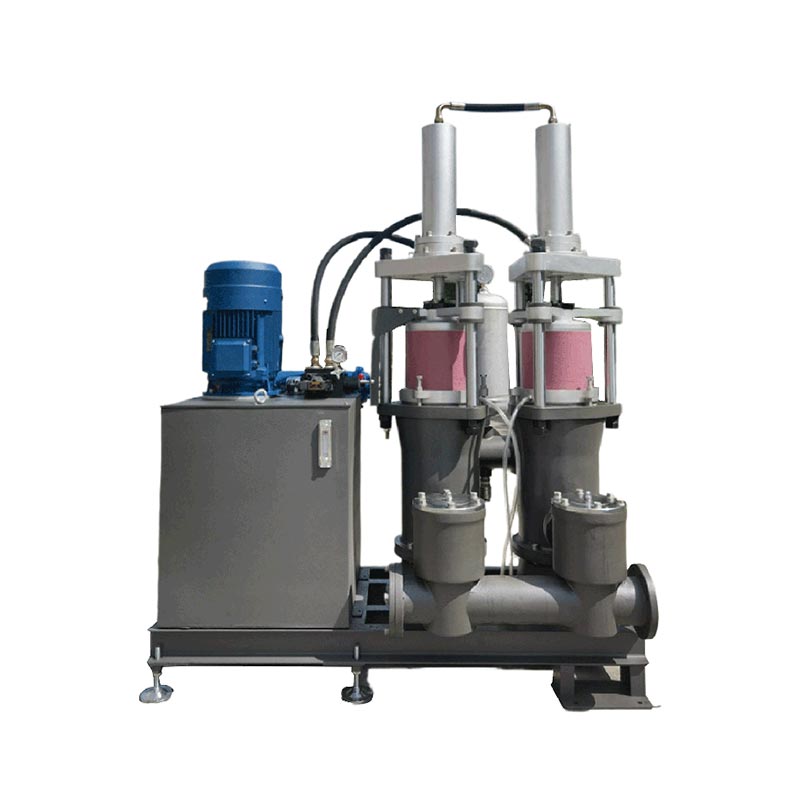
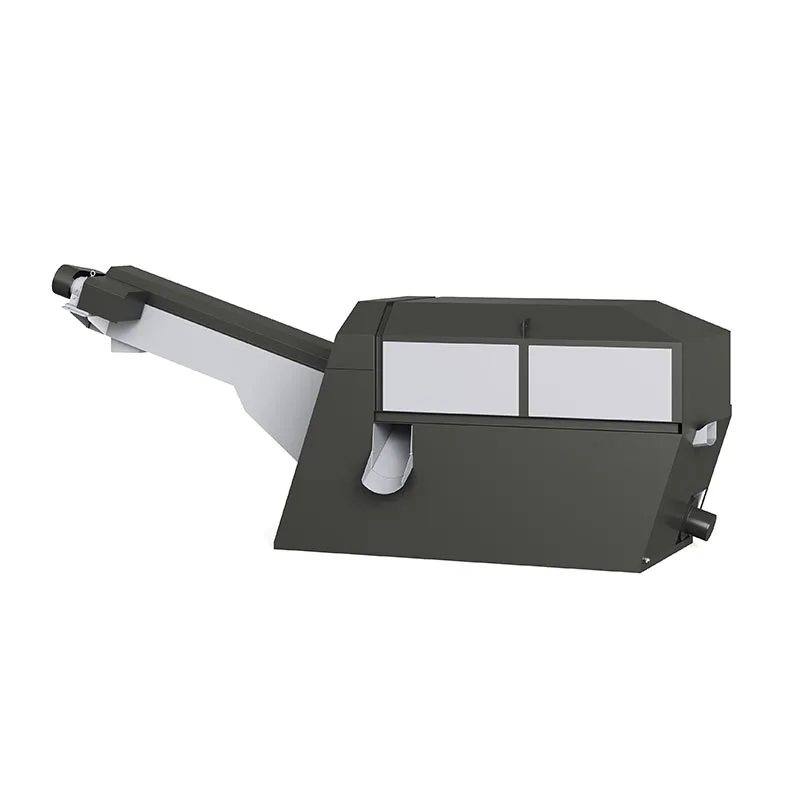
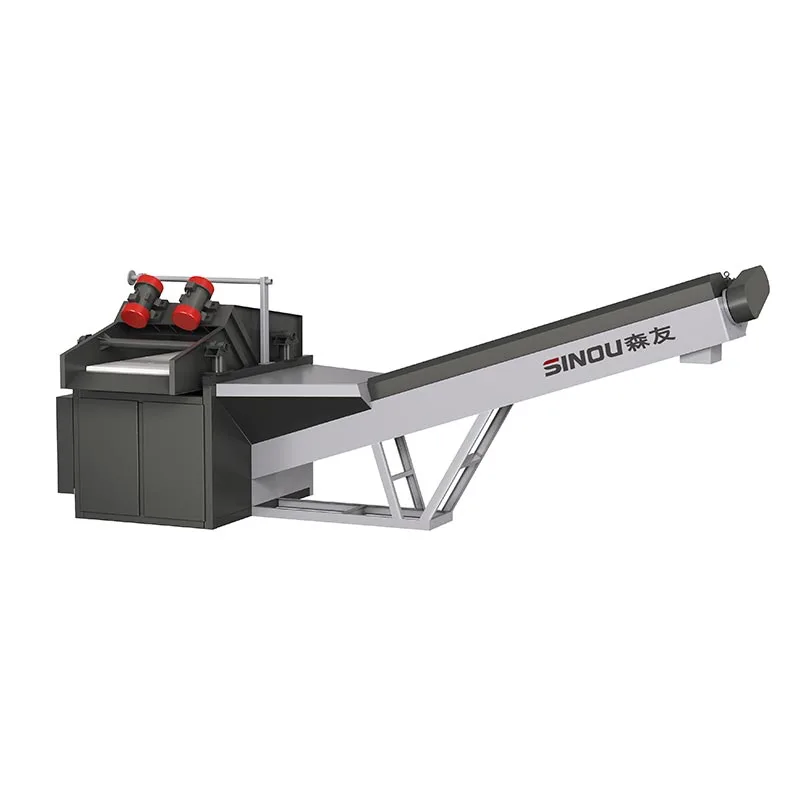
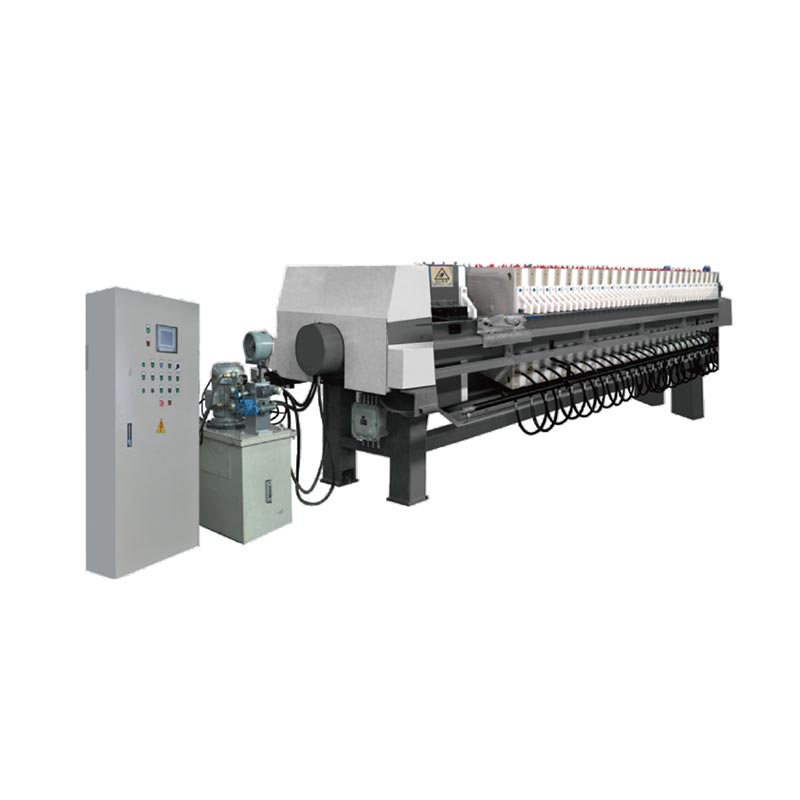
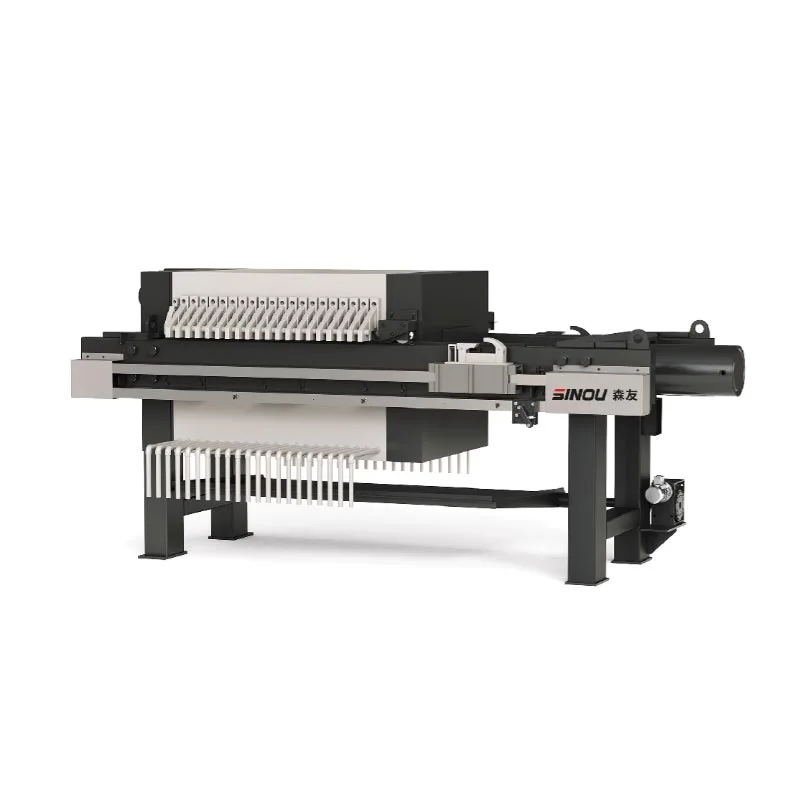
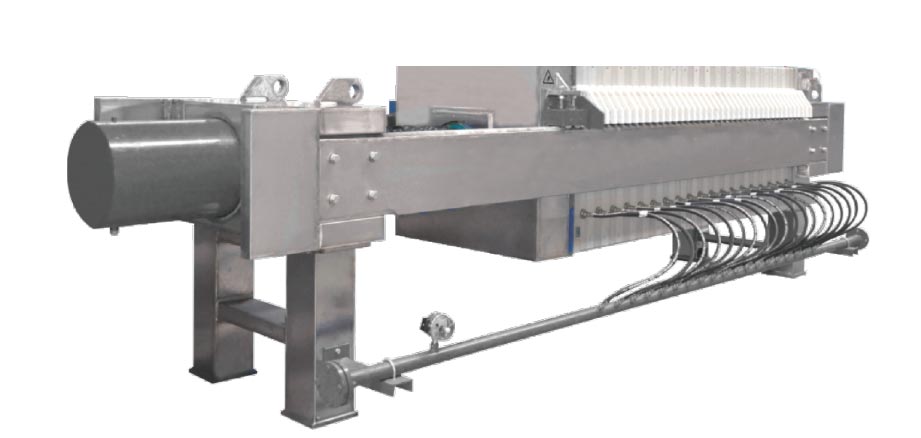
Chemical Printing and Dyeing Membrane Filter Press
SINOU is a reliable supplier that can offer high quality and customized Chemical Printing and Dyeing Membrane Filter Press. Designed specifically for high-chroma, high-COD, corrosive dye wastewater and chemical sludge, this machine adopts high-pressure membrane secondary squeezing technology,reinforced anti-corrosion structure, and anti-clogging filter channels. It realizes efficient solid/liquid separation, significantly reduces COD and chroma, lowers filter cake moisture, and meets strict environmental discharge standards for textile dyeing and fine chemical industries.
SINOU, a professional manufacturer focusing on industrial solid-liquid separation equipment, provides customized Chemical Printing and Dyeing Membrane Filter Press for global customers. This equipment is specially developed for the characteristics of printing and dyeing wastewater, chemical slurry, dye intermediates and pigment sludge.
It combines chamber filtration and high-pressure membrane squeezing to achieve deep dewatering, clear filtrate and low-moisture filter cake. The whole machine adopts corrosion-resistant materials, anti-adhesion structure and intelligent automatic control system, adapting to high-salt, high-viscosity and corrosive working conditions.
We support customization of filtering area, plate material, anti-corrosion level and control mode to provide stable, efficient and compliant treatment solutions for chemical and printing & dyeing projects.
Product Features & Advantages
1. Special for chemical & printing-dyeing sludge
Optimized for high-chroma, high-COD, corrosive, viscous dye wastewater and chemical sludge; excellent anti-clogging and anti-adhesion performance.
2. High-pressure membrane deep dewatering
Secondary high-pressure squeezing reduces moisture by 5%–15% compared with standard filter presses, greatly lowering sludge disposal cost.
3. Corrosion-resistant structure
Adopts anti-corrosion filter plates, pipelines and seals; suitable for acid, alkali, salt and organic solvent environments.
4. Anti-clogging & anti-sticking design
Widened flow channels and smooth filter surface prevent dye particles and viscous sludge from blocking, ensuring stable long-term operation.
5. Fully automatic intelligent operation
Automatic closing, feeding, squeezing, washing and cake discharging; reduces manual contact with corrosive materials.
6. Stable effluent quality
Effectively removes suspended solids, chroma and COD; filtrate is clear and reusable, meeting environmental discharge standards.
Application Fields
1. Printing and Dyeing Industry
Widely used for the treatment of high-chroma, high-COD dye wastewater, textile printing sludge, dye residue slurry, pigment wastewater, and dye intermediate separation.
Chemical Printing and Dyeing Membrane Filter Press effectively removes suspended solids, reduces chroma and COD, realizes clear filtrate recycling, and meets strict environmental discharge standards for the printing and dyeing industry.
2. Chemical Industry
Suitable for solid-liquid separation in fine chemicals, inorganic salts, coatings, pigments, resins, petrochemical by-products, crystallization slurries, and various chemical sludge.
It provides stable high-pressure filtration, improves product purity, realizes resource recovery, and meets safe and environmental protection requirements in chemical production.
3. Electroplating & Leather Industry
Applied to electroplating wastewater sludge, heavy metal sludge, leather tanning waste residue, and comprehensive wastewater treatment.
It safely separates heavy metal ions and harmful impurities, reduces sludge volume, and helps enterprises achieve harmless treatment and up-to-standard discharge.
4. Paper Making Industry
Used for pulp and paper wastewater, fiber recovery, papermaking sludge dewatering, and white water recycling.
It efficiently recovers fiber materials, reduces sludge moisture, saves water resources, and lowers production and disposal costs.
5. Food & Pharmaceutical Industry
Ideal for food processing residue, fermentation sludge, pharmaceutical wastewater, traditional Chinese medicine residue, and starch processing slurry.
It meets hygienic and high-efficiency separation requirements, with clean filtrate and dry filter cake for convenient disposal or recycling.
6. Other Industrial & Hazardous Sludge Treatment
Suitable for urban municipal sludge, breeding wastewater, construction slurry, mining tailings, and various hazardous waste sludges.
It provides reliable deep dewatering, reduces transportation and disposal costs, and supports enterprises in complying with national and local environmental protection policies.
Parameter Specification
| Filtering area (m²) | 200 | 220 | 240 | 250 | 280 | 300* | 320* | 340* | 400** | 450** | 500** | 560** |
| Number of filter plate (piece) | 25/26 | 27/28 | 30/31 | 31/32 | 35/36 | 38/39 | 40/41 | 43/44 | 50/51 | 57/58 | 63/64 | 71/72 |
| Filter plate thickness (mm) | 80/80 | 80/80 | 80/80 | 80/80 | 80/80 | 80/80 | 80/80 | 80/80 | 80/80 | 80/80 | 80/80 | 80/80 |
| Filter cake thickness (mm) | 40 | 40 | 40 | 40 | 40 | 40 | 40 | 40 | 40 | 40 | 40 | 40 |
| Filter chamber volume (m³) | 4.08 | 4.39 | 4.87 | 5.02 | 5.65 | 6.13 | 6.42 | 6.89 | 8.00 | 9.10 | 10.05 | 11.29 |
| Footing distance A (mm) | 6150 | 6470 | 6950 | 7110 | 7750 | 8230 | 8550 | 9030 | 10150 | 11270 | 12230 | 13510 |
| Motor length B (mm) | 7510 | 7830 | 8310 | 8470 | 9110 | 9590 | 9910 | 10390 | 11510 | 12630 | 13590 | 14870 |
| Overall weight (kg) | 15000 | 15300 | 16100 | 16500 | 17600 | 18500 | 19000 | 19800 | 22800 | 24800 | 26500 | 28800 |
Note: Items with "*" means having a pair of intermediate supports.
How to Select Chemical Printing and Dyeing Membrane Filter Press?
1. Confirm sludge type and characteristics
Confirm whether it is printing and dyeing sludge, chemical slurry, pigment wastewater, electroplating sludge or papermaking sludge. Different sludge has different viscosity, corrosiveness and particle size, which directly affect filter plate material and pressure configuration.
2. Confirm daily treatment capacity
Provide daily sludge volume (tons/day or m³/day) to determine the required filtering area and model size. Small treatment capacity selects 20–100 ㎡; medium capacity 100–300 ㎡; large capacity 300–500 ㎡.
3. Confirm moisture requirement of filter cake
Higher dewatering standard needs higher membrane squeezing pressure. For chemical and dyeing sludge, we recommend 0.8–1.6 MPa high-pressure membrane structure for lower moisture.
4. Confirm corrosion resistance level
For acidic, alkaline or high-salt chemical working conditions, select anti-corrosion filter plates, anti-corrosion pipelines and sealed components to ensure service life.
5. Confirm site space and installation conditions
Provide length, width and height of the installation area. We will match compact or conventional structure to fit your site.
6. Confirm power supply and control mode
Standard power supply: AC380V 50Hz. We also support customization for different voltages. Automatic control is recommended for chemical and dyeing workshops to reduce manual labor.
7. Confirm supporting equipment requirements
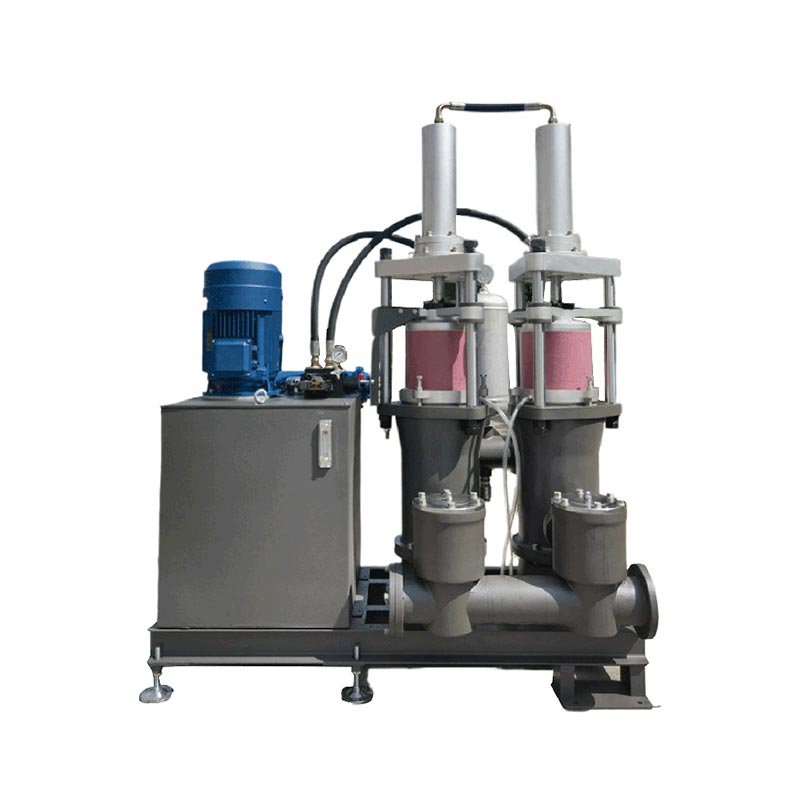
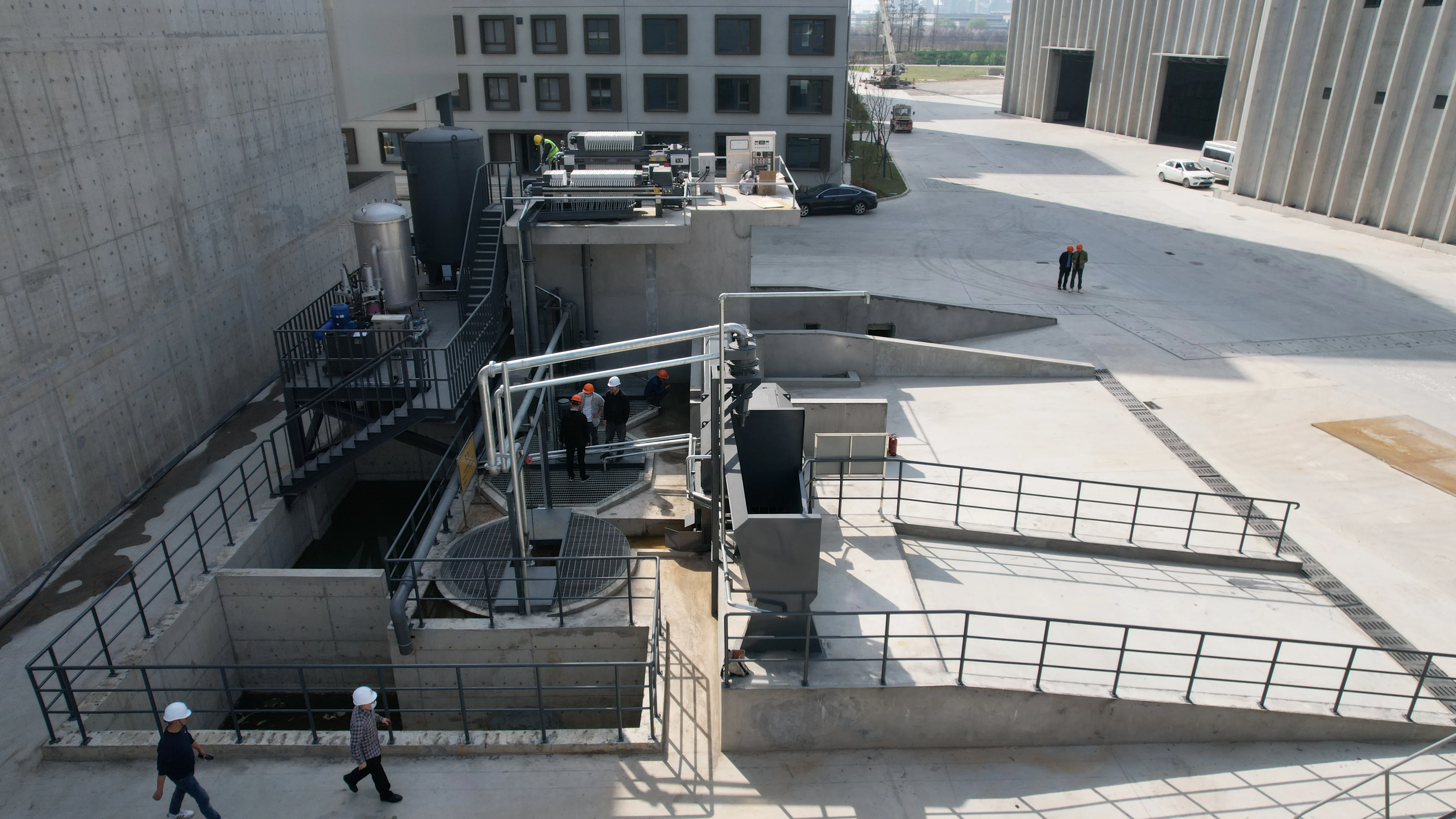
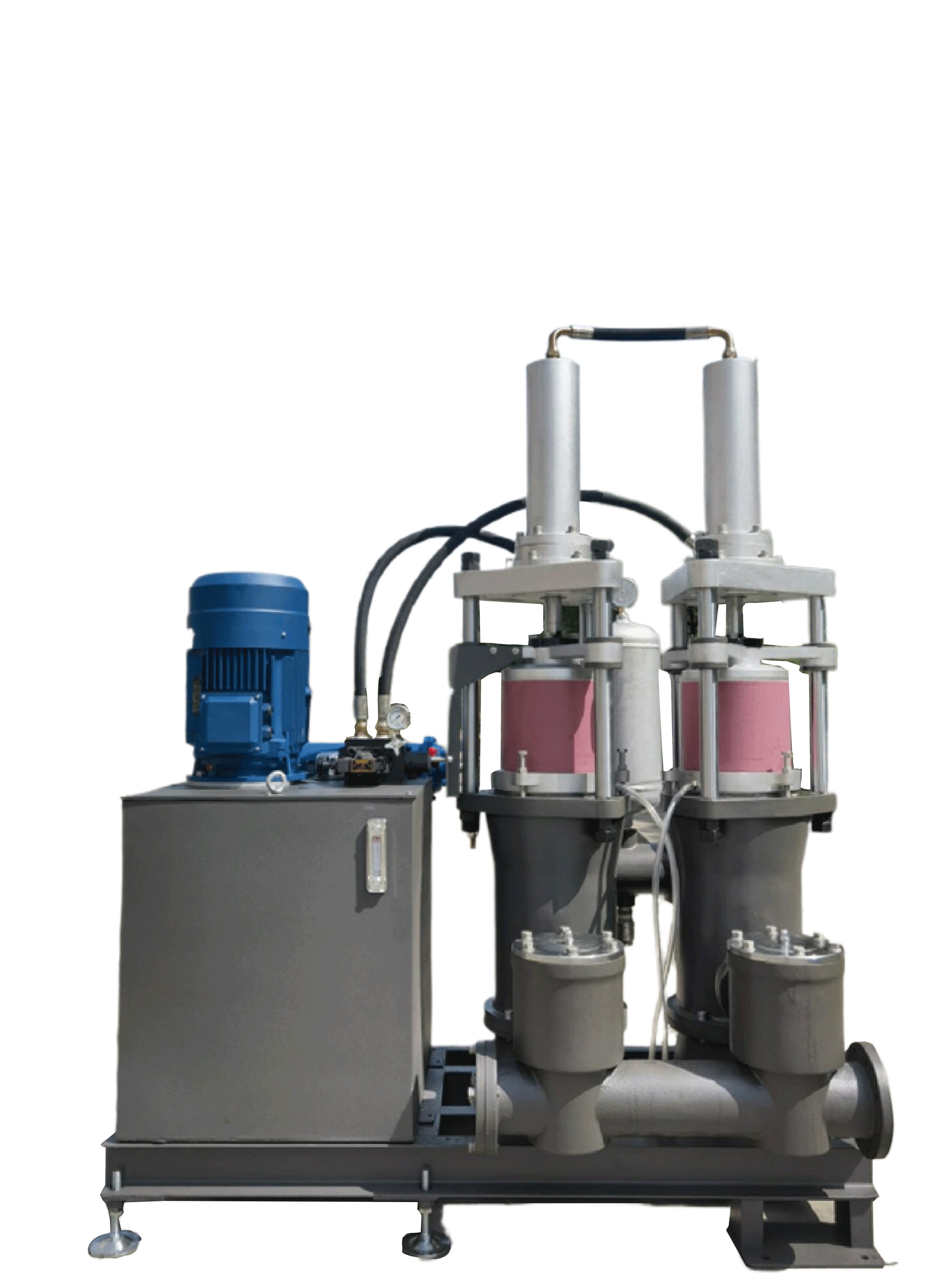
According to working conditions, we can configure matching feeding pump, reaction tank, conveyor and control system to form a complete automatic treatment system.
Product Comparison vs Competitors
| Comparison Item | SINOU Chemical Dyeing Special Membrane Filter Press | General Ordinary Filter Press |
| Core Structure | Professional anti-corrosion membrane plates, widened anti-clogging channels, dedicated for high-viscosity & corrosive sludge | Universal structure, common plates, no anti-corrosion optimization |
| Dewatering Mode | Feeding filtration +Chemical Printing and Dyeing Membrane Filter Press | Only feeding pressure filtration, no squeezing function |
| Filter Cake Moisture | 5%–15% lower;deep dewatering, dry cake, easy to transport | High moisture, wet and sticky cake, high disposal cost |
| Corrosion Resistance | Excellent; anti-acid, anti-alkali, anti-salt, long service life in chemical environments | Poor; easy to corrode, deform, damage in corrosive working conditions |
| Anti-clogging | Strong; smooth flow channels, not easy to block for dyeing & chemical slurry | Weak; easy to block, needs frequent cleaning |
| Filtrate Quality | Clear, low COD & chroma, reusable or dischargeable | Turbid, high impurity, difficult to meet environmental standards |
| Automation | Fully automatic; stable 24h operation, less manual labor | Semi-automatic / manual; needs frequent intervention |
| Applicability | Perfect forprinting & dyeing, chemical, electroplating, leather, hazardous sludge | Only for general municipal & mining sludge with low requirements |
Common Problems & Solutions
1. Slurry leakage between filter plates
● Cause: Filter cloth folded or damaged; filter plates not fully closed; feeding pressure too high.
● Solution: Reinstall filter cloth flat; replace damaged cloth; check hydraulic pressure; reduce feeding pressure.
2. Filter cloth or feeding port clogged easily
● Cause: Dyeing/chemical sludge is viscous; particles are fine; no pre-treatment.
● Solution: Dilute slurry properly; use anti-clogging filter cloth; clean regularly; add agitation tank.
3. Filter cake moisture too high
● Cause: Insufficient membrane squeezing pressure; short pressing time; filter cloth clogged or worn.
● Solution: Increase squeezing pressure; extend pressing time; clean or replace filter cloth.
4. Filtrate turbid, not clear
● Cause: Filter cloth broken; cloth mismatched for dyeing/chemical slurry; sealing failure.
● Solution: Replace damaged filter cloth; use special cloth for high-chroma sludge; check sealing parts.
5. Hydraulic system no pressure or slow action
● Cause: Low hydraulic oil; oil leakage; valve or pump failure.
● Solution: Add hydraulic oil; check and repair leakage; replace faulty parts.
6. Equipment corroded quickly in chemical environment
● Cause: Using standard material; no anti-corrosion treatment.
● Solution: Use anti-corrosion filter plates, pipes and seals; maintain and clean after each shift.
7. Automatic cycle abnormal
● Cause: Sensor misalignment; parameter error; unstable power.
● Solution: Adjust sensor position; reset program; ensure stable voltage.
8. Filter cake difficult to drop
● Cause: Slurry too sticky; low squeezing effect; filter cloth aging.
● Solution: Improve pre-treatment; extend squeezing time; replace anti-sticking filter cloth.
Before and After Treatment Effect Comparison
1. Sludge State Comparison
● Before treatment: Sludge is watery, viscous, high-volume, difficult to stack and transport, easy to leak and pollute.
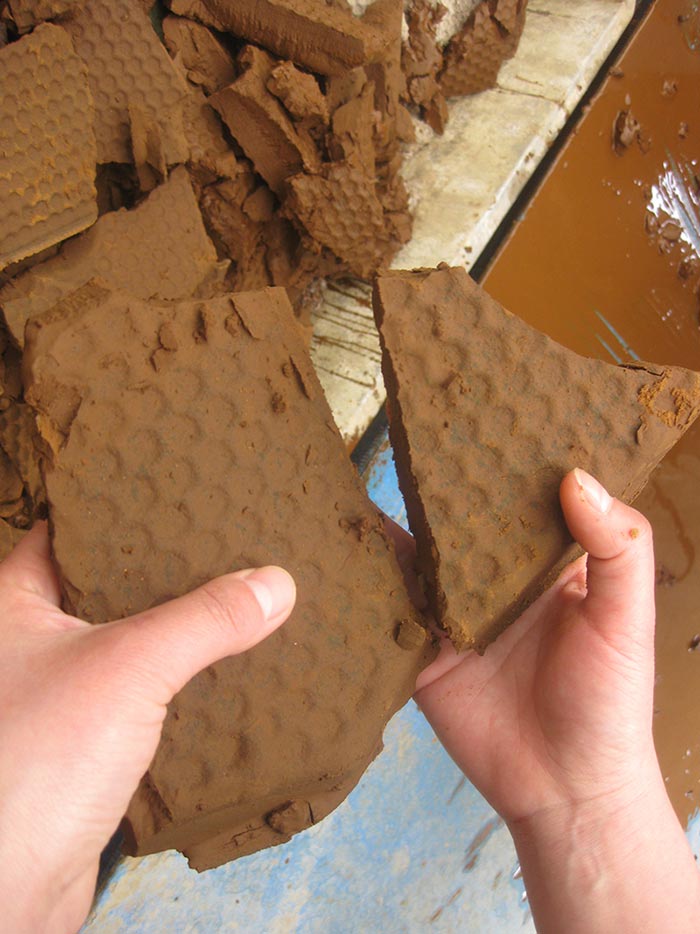
● After treatment: Sludge forms dry, hard, low-moisture filter cake, no stickiness, no leakage, easy to stack and transport.
2. Moisture Content Comparison
● Before treatment: Moisture as high as 95%–99%, extremely high disposal and transportation cost.
● After treatment: Moisture reduced to 55%–70% (lower than ordinary filter press by 5%–15%), volume reduced by more than 70%.
3. Wastewater & Chroma Comparison
● Before treatment: Wastewater is dark, high chroma, high COD, high suspended solids, cannot be discharged or reused.
● After treatment: Filtrate becomes clear and clean, chroma and COD greatly reduced, can be recycled or discharged up to standard.
4. Operating Cost Comparison
● Before treatment: High sludge transport cost, high disposal cost, high labor input, high environmental risk.
● After treatment: Greatly reduced sludge weight & volume → lower transport cost; less manual handling → lower labor cost; compliant discharge → avoid environmental fines.
5. Site Environment Comparison
● Before treatment: Odor, sewage overflow, messy site, difficult to pass environmental inspection.
● After treatment: Clean site, no odor, no sewage accumulation, fully meet environmental protection requirements.
Hot Tags: Chemical Printing and Dyeing Membrane Filter Press, Dyeing Membrane Filter Press, Industrial Membrane Filter Press
Related Category
Send Inquiry
Contact Info
-
Address
No. 1, Xinhai Section, Provincial Road 01, Haiyan Economic Development Zone, Jiaxing City, Zhejiang Province, China
-
Tel
-
Email
For inquiries about filter press, concrete reclaimer, wastewater system or price list, please leave your email to us and we will be in touch within 24 hours.