English
- English
- Español
- Português
- русский
- Français
- 日本語
- Deutsch
- tiếng Việt
- Italiano
- Nederlands
- ภาษาไทย
- Polski
- 한국어
- Svenska
- magyar
- Malay
- বাংলা ভাষার
- Dansk
- Suomi
- हिन्दी
- Pilipino
- Türkçe
- Gaeilge
- العربية
- Indonesia
- Norsk
- تمل
- český
- ελληνικά
- український
- Javanese
- فارسی
- தமிழ்
- తెలుగు
- नेपाली
- Burmese
- български
- ລາວ
- Latine
- Қазақша
- Euskal
- Azərbaycan
- Slovenský jazyk
- Македонски
- Lietuvos
- Eesti Keel
- Română
- Slovenski
- मराठी
- Srpski језик

News
CO₂‑Based Neutralization — A Safer Alternative for Alkaline Wastewater Treatment at Concrete Batching Plants
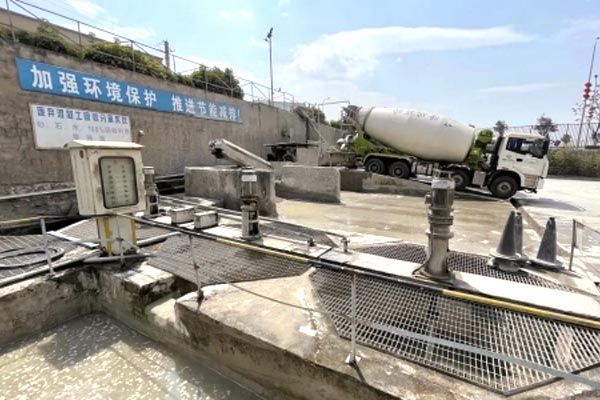
Concrete batching plants generate large‑volume highly‑alkaline wastewater from mixer‑truck washing, residual‑concrete processing and yard cleaning. The high‑pH wastewater cannot be directly discharged. Improper disposal brings environmental penalties, while recycled water quality directly affects finished‑concrete performance. Plant operators worldwide face a long‑standing dilemma: selecting a reliable, low‑risk and economical neutralization solution for on‑site alkaline wastewater.
Drawbacks of Traditional Acid Neutralization Solutions
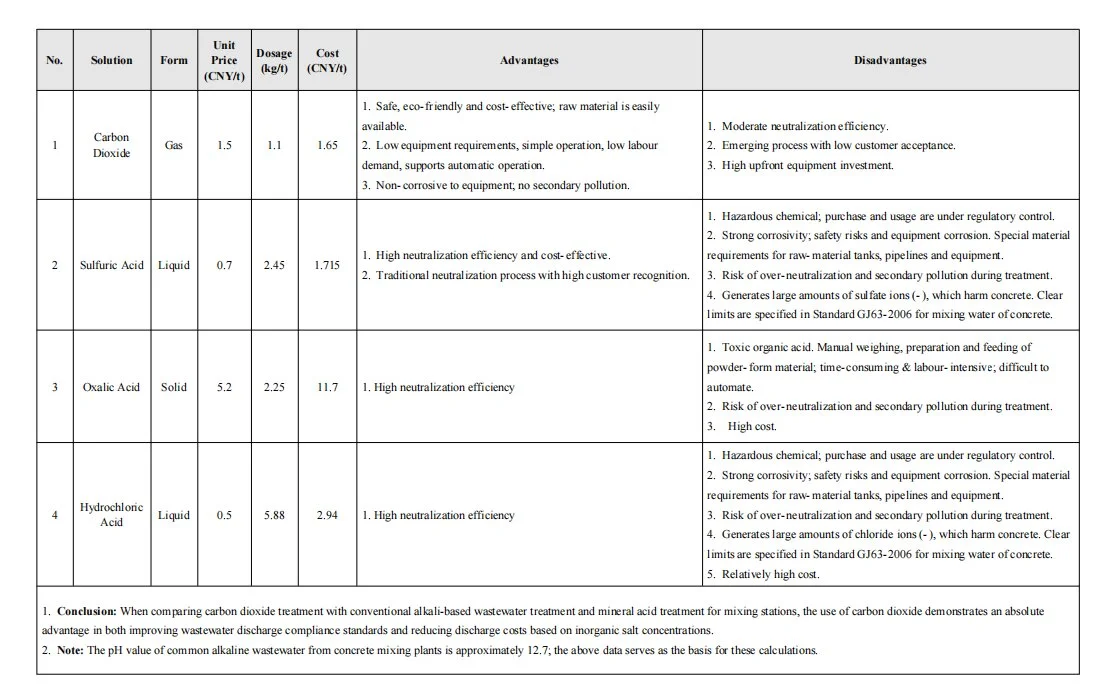
Traditional neutralization options mainly rely on sulfuric acid, hydrochloric acid and oxalic acid, which have been widely adopted across the ready‑mix industry for many years. Nevertheless, practical site operations reveal obvious drawbacks covering regulatory compliance, workplace safety, equipment service life, running expense and reuse‑water quality.
1. Sulfuric Acid
- Delivers fast pH adjustment with relatively low material cost; a mature process widely accepted by plant managers.
- Classified as hazardous chemical subject to strict controls over procurement, transport, storage and handling.
- Highly corrosive, requiring anti‑corrosion upgrades for tanks, valves and piping and creating on‑site safety hazards for staff.
- Risk of over‑neutralization during dosing; generates large amounts of sulfate ions. Excess sulfate in reused mixing water harms concrete durability per relevant standards.
2. Hydrochloric Acid
- Provides rapid neutralization performance.
- Regulated hazardous material; strong corrosion shortens equipment service life and demands special‑material dosing‑system construction.
- Produces high loads of chloride ions. Chloride residue causes steel‑bar corrosion in reinforced concrete and is strictly limited for mixing‑water applications.
- Higher overall consumption per ton of wastewater leads to elevated comprehensive operating costs.
3. Oxalic Acid
- Achieves good neutralization efficiency.
- Toxic powdered organic acid requiring manual weighing, dissolving and feeding; difficult to automate with high labour input.
- Risk of over‑dosage and secondary pollution.
- High unit material cost makes it uneconomical for large‑scale continuous wastewater treatment at ready‑mix facilities.
CO₂ Gas Neutralization: Innovative Treatment for Batching‑Plant Alkaline Wastewater
Against this background, carbon‑dioxide‑based neutralization emerges as an innovative technical path for batching‑plant alkaline‑wastewater management. Comparative tests are conducted on typical concrete‑plant alkaline wastewater (initial pH ≈12.7).
1. Core Economic Performance
Treatment cost reaches 1.65 CNY per ton of wastewater, comparable to sulfuric‑acid treatment and significantly lower than oxalic‑acid and hydrochloric‑acid processes.
2. Key Advantages
✅ Carbon‑dioxide gas is readily available on the market.
✅ Zero corrosion to tanks, pipelines and process equipment, extending equipment service life and reducing maintenance costs.
✅ No hazardous chemicals stored on‑site, eliminating most safety risks associated with acid handling.
✅ Supports fully‑automatic operation and reduces daily labour requirements.
✅ Does not introduce harmful sulfate or chloride ions into recycled water; no secondary‑pollution risks; treated water can be safely reused for concrete mixing.
3. Existing Market Barriers
⚠️ Neutralization reaction speed is moderate compared with strong mineral acids.
⚠️ It is still an emerging technology within the concrete industry with limited market awareness and customer acceptance.
⚠️ Automated CO₂ injection and monitoring equipment demands higher upfront capital investment than simple acid‑dosing systems.
Overall Evaluation & Application Value
- Field‑test data proves the comprehensive strengths of CO₂ neutralization. From compliance, operating‑cost and recycled‑water‑quality perspectives, it outperforms conventional mineral‑acid processes for concrete‑batching‑plant scenarios. It helps plants satisfy strict discharge requirements and produce high‑quality reusable water free of harmful ionic contaminants.
- For decision‑makers at ready‑mix plants, wastewater‑treatment selection must balance safety risks, long‑term operating costs and recycled‑water quality. Although acid‑based processes still dominate the market, CO₂ neutralization represents a forward‑looking choice for modern plants targeting safer operation, lower maintenance and stable zero‑discharge workflows.
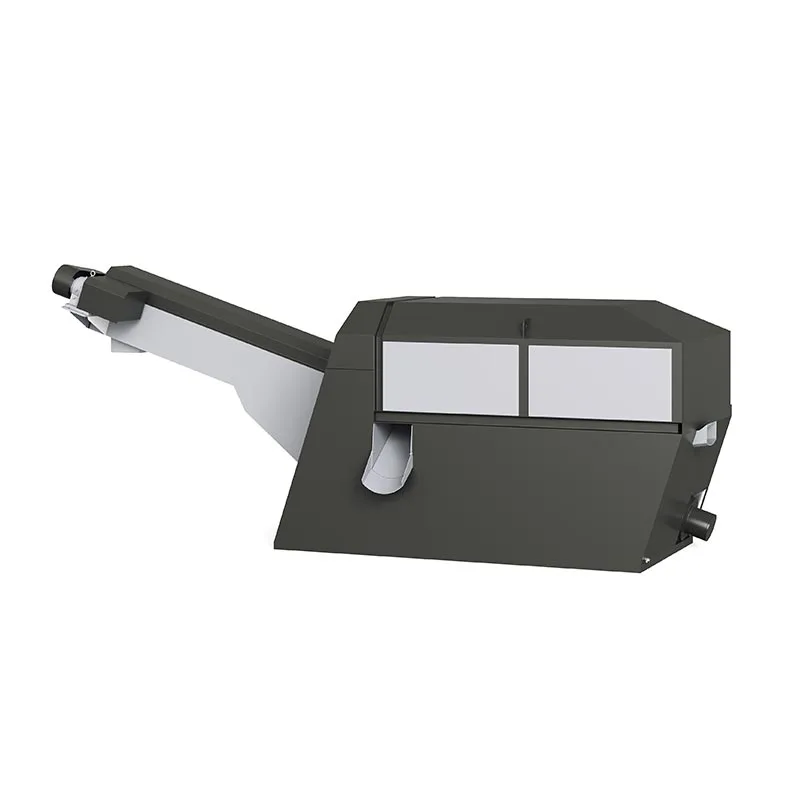
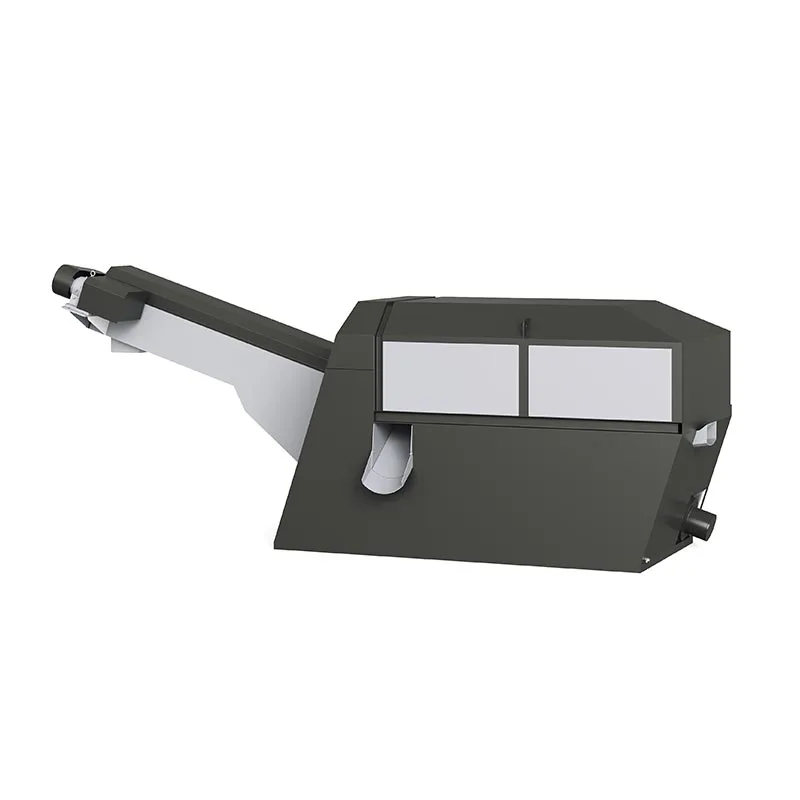
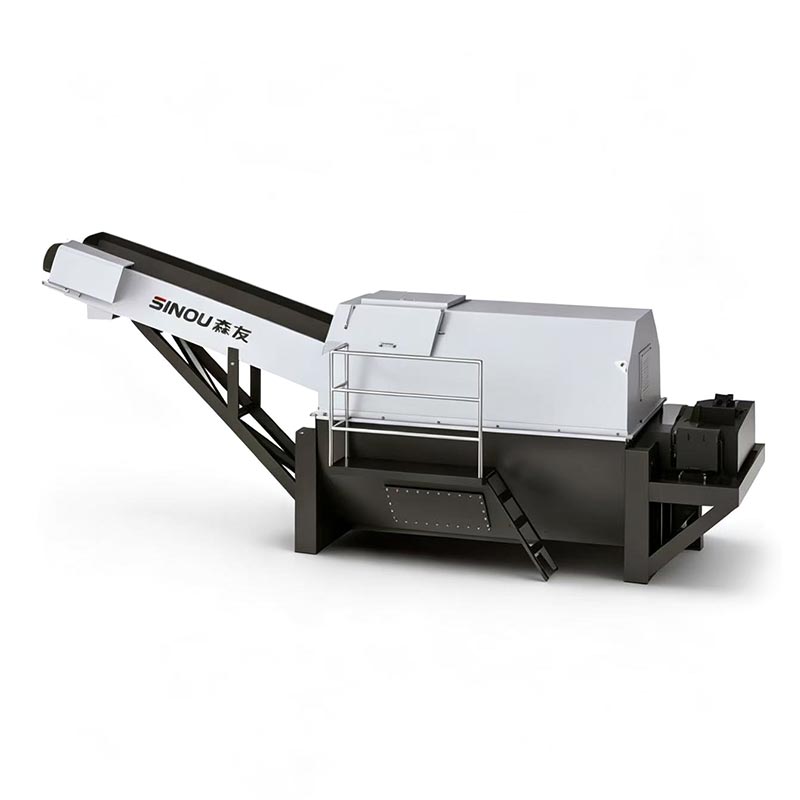
- When matched with sand‑gravel separators and filter‑press sludge‑dewatering equipment, the CO₂ neutralization system forms a complete closed‑loop wastewater‑recycling solution for mixing stations.
Related News
- Impact and Reuse of Wastewater from Concrete Batching Plants
- How Can Automatic Mixer Truck Washing Machine Improve Cleaning Efficiency and Reduce Operating Costs?
- Technical Comparison of Filter Press Feed Pumps – Intelligent High-Pressure Plunger Pump Sets New Industry Standard Headline
- How to Choose the Right Chamber Filter Press for Your Industrial Application?
- Performance & Annual Operating Cost Comparison: Plunger Pump VS Centrifugal Slurry Pump
- What Is Carbon-Neutral Wastewater Treatment System for Concrete Mixing Plants?
Leave me a message