English
- English
- Español
- Português
- русский
- Français
- 日本語
- Deutsch
- tiếng Việt
- Italiano
- Nederlands
- ภาษาไทย
- Polski
- 한국어
- Svenska
- magyar
- Malay
- বাংলা ভাষার
- Dansk
- Suomi
- हिन्दी
- Pilipino
- Türkçe
- Gaeilge
- العربية
- Indonesia
- Norsk
- تمل
- český
- ελληνικά
- український
- Javanese
- فارسی
- தமிழ்
- తెలుగు
- नेपाली
- Burmese
- български
- ລາວ
- Latine
- Қазақша
- Euskal
- Azərbaycan
- Slovenský jazyk
- Македонски
- Lietuvos
- Eesti Keel
- Română
- Slovenski
- मराठी
- Srpski језик

News
How Does a Piston Pump For Filter Press Improve Industrial Solid-Liquid Separation?
In modern industrial filtration systems, efficiency, stability, and pressure control determine the overall performance of solid-liquid separation. A piston pump for filter press plays a crucial role in delivering consistent high-pressure feeding, ensuring optimal cake formation and reduced moisture content. This article explores its working principles, advantages, applications, selection guidelines, maintenance strategies, and real-world industrial value. It is designed to help engineers, procurement managers, and plant operators understand how to maximize filter press performance and reduce operational costs.
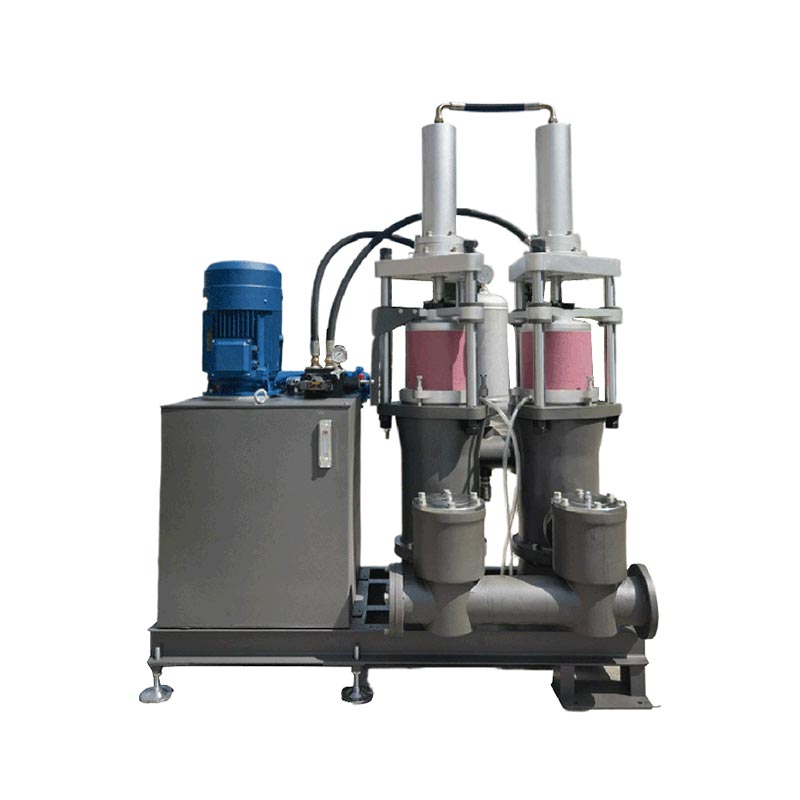
Table of Contents
- 1. Article Outline
- 2. Introduction
- 3. What Is a Piston Pump For Filter Press?
- 4. Working Principle Explained
- 5. Why It Matters in Industrial Filtration
- 6. Key Industrial Applications
- 7. Selection Guide and Technical Parameters
- 8. Performance Optimization Strategies
- 9. Maintenance and Troubleshooting
- 10. Pump Comparison Overview
- 11. Quality and Manufacturing Considerations
- 12. Industrial Case Insight
- 13. Frequently Asked Questions
- 14. Conclusion & Contact
Article Outline
This article is structured to guide readers from fundamental concepts to advanced operational insights:
- Understanding filter press feeding systems
- Role of piston pump in high-pressure slurry delivery
- Operational challenges in dewatering systems
- Technical evaluation of pump performance
- Industrial use cases and optimization techniques
- Maintenance strategies for long-term reliability
Introduction
In industrial wastewater treatment, mining, chemical processing, and food manufacturing, solid-liquid separation is a critical step that directly impacts production efficiency and environmental compliance. Among all equipment used in filtration systems, the filter press remains one of the most widely adopted technologies. However, its performance heavily depends on the feeding system—where the piston pump for filter press becomes essential.
Unlike conventional pumps, piston pumps are designed to deliver stable, high-pressure slurry feed, ensuring uniform cake formation inside filter chambers. Without a properly configured pump, issues such as incomplete filtration, high moisture content, and inefficient cycle times often occur.
This article explores how piston pumps transform filter press operations and why industries increasingly rely on them for high-efficiency dewatering systems.
What Is a Piston Pump For Filter Press?
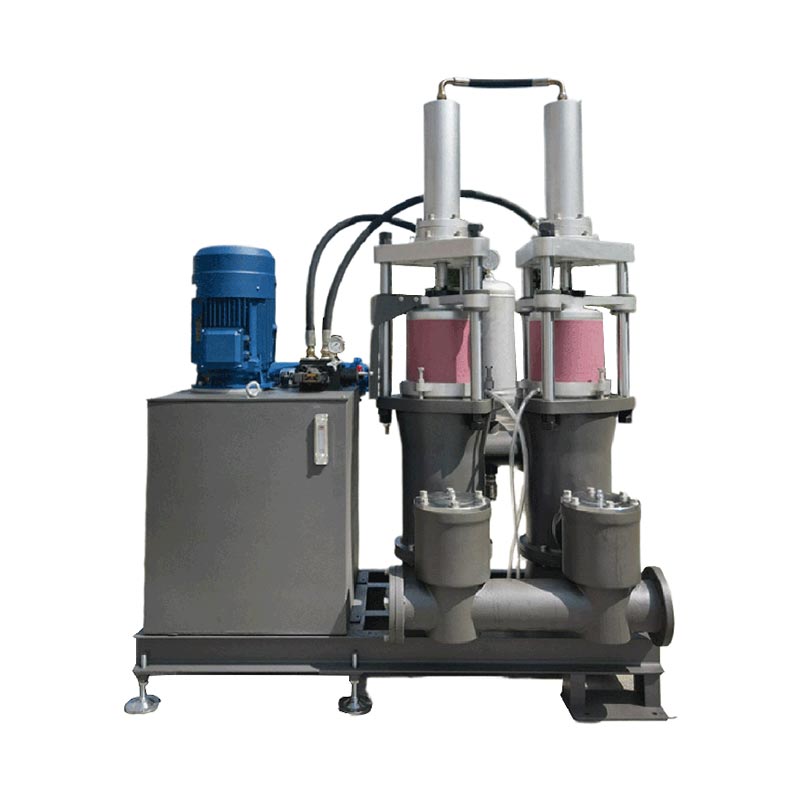
A piston pump for filter press is a type of positive displacement pump that uses reciprocating pistons to move slurry or liquid under high pressure into a filter press system. It is specifically engineered to handle abrasive, viscous, or high-solid-content fluids commonly found in industrial processes.
The key advantage of this pump type lies in its ability to maintain consistent pressure output regardless of downstream resistance. This makes it ideal for feeding filter presses where pressure stability directly affects filtration quality.
- High-pressure capability (up to 2.0 MPa or more)
- Stable flow control
- Suitable for abrasive slurries
- Energy-efficient operation under variable load
Working Principle Explained
The working principle of a piston pump is based on reciprocating motion. The piston moves back and forth inside a cylinder, creating alternating suction and discharge cycles.
During the suction stroke, slurry enters the cylinder through an inlet valve. During the discharge stroke, the piston compresses the fluid and forces it into the filter press chamber under high pressure.
This continuous cycle ensures stable feeding conditions, which is essential for forming dense filter cakes with low moisture content.
- Suction phase: slurry intake
- Compression phase: pressure buildup
- Discharge phase: feed into filter press
Why It Matters in Industrial Filtration
Many filtration inefficiencies originate from inconsistent feed pressure. When pressure fluctuates, filter cakes become uneven, resulting in poor separation performance and increased drying costs.
A piston pump solves these issues by providing constant pressure throughout the filtration cycle.
| Issue Without Piston Pump | Improvement With Piston Pump |
|---|---|
| Uneven cake formation | Uniform solid distribution |
| High moisture content | Improved dewatering efficiency |
| Frequent downtime | Stable continuous operation |
| Energy waste | Optimized power consumption |
Key Industrial Applications
Piston pumps for filter presses are widely used in industries requiring efficient slurry separation.
- Mining and mineral processing
- Chemical production
- Municipal wastewater treatment
- Food and beverage processing
- Pharmaceutical manufacturing
- Paper and pulp industry
In each of these industries, consistent feed pressure ensures higher throughput and improved product quality.
Selection Guide and Technical Parameters
Choosing the right piston pump for filter press requires careful evaluation of process conditions and slurry characteristics.
| Parameter | Recommended Range | Importance |
|---|---|---|
| Flow Rate | 1–200 m³/h | Determines filtration speed |
| Pressure | 0.6–2.5 MPa | Affects cake dryness |
| Solid Content | Up to 40% | Defines pump wear resistance |
| Material | Stainless steel / wear-resistant alloy | Ensures durability |
Performance Optimization Strategies
To maximize efficiency, operators should optimize both pump settings and system integration.
- Maintain stable inlet slurry concentration
- Use pressure sensors for real-time control
- Avoid dry running conditions
- Implement variable frequency drives (VFD)
- Schedule regular calibration checks
Proper optimization significantly reduces energy consumption and extends equipment lifespan.
Maintenance and Troubleshooting
Routine maintenance ensures long-term reliability of piston pump systems.
- Check valve seals regularly for wear
- Inspect piston rods for corrosion
- Monitor lubrication system
- Replace worn gaskets promptly
Common issues include:
- Pressure instability → usually caused by valve leakage
- Reduced flow → piston wear or blockage
- Excess vibration → misalignment or cavitation
Pump Comparison Overview
| Type | Pressure Stability | Wear Resistance | Best Use Case |
|---|---|---|---|
| Piston Pump | High | High | Filter press feeding |
| Centrifugal Pump | Low | Medium | Clean water transfer |
| Diaphragm Pump | Medium | High | Chemical dosing |
Quality and Manufacturing Considerations
High-quality piston pumps must meet strict manufacturing standards to ensure safety, durability, and performance consistency. Materials must resist corrosion and abrasion, while machining precision determines sealing efficiency.
Manufacturers like Zhejiang Sinou Environmental Protection Equipment Co., Ltd. focus on integrating advanced machining technologies and quality control systems to ensure reliable pump operation in demanding industrial environments.
Industrial Case Insight
In a wastewater treatment plant scenario, replacing a conventional slurry pump with a piston pump resulted in a 32% improvement in dewatering efficiency and a 25% reduction in cycle time. The filter cake moisture content dropped significantly, reducing downstream drying costs.
This demonstrates how proper pump selection directly impacts overall system economics and operational stability.
Frequently Asked Questions
Q1: What is the main advantage of a piston pump in filter press systems?
It provides stable high-pressure feeding, improving filtration efficiency and reducing moisture content.
Q2: Can it handle abrasive slurry?
Yes, piston pumps are designed for high-solid and abrasive materials.
Q3: How long does a piston pump last?
With proper maintenance, it can operate reliably for many years depending on working conditions.
Q4: Is energy consumption high?
Compared to unstable systems, it is more energy-efficient due to optimized pressure control.
Conclusion & Contact
A piston pump for filter press is not just a supporting component—it is the core driver of filtration efficiency. By ensuring stable pressure, reducing operational inconsistencies, and improving cake dryness, it significantly enhances industrial solid-liquid separation systems.
For industries seeking reliable filtration solutions and high-performance pumping systems, professional engineering support is essential.
Zhejiang Sinou Environmental Protection Equipment Co., Ltd. provides advanced pump and filtration system solutions tailored for modern industrial applications.
Contact us today to explore customized piston pump solutions designed to improve your filter press performance, reduce operating costs, and enhance production efficiency.
Related News
- What Makes an Air Cooled Hydraulic Ceramic Piston Pump For Filter Press a Reliable Sludge Feeding Solution?
- What Makes a Concrete Sewage Neutralization Treatment System Effective?
- Industry News: Hydraulic Ceramic Plunger Pump Solves Long‑Distance Conveying of 40% Solid‑Content Sludge
- How Can a Vibratory Concrete Reclaimer Improve Tunnel Project Waste Management?
- How Does a Heavy Duty Mixer Truck Washing Machine Improve Concrete Fleet Cleaning?
- Impact and Reuse of Wastewater from Concrete Batching Plants
Leave me a message