English
- English
- Español
- Português
- русский
- Français
- 日本語
- Deutsch
- tiếng Việt
- Italiano
- Nederlands
- ภาษาไทย
- Polski
- 한국어
- Svenska
- magyar
- Malay
- বাংলা ভাষার
- Dansk
- Suomi
- हिन्दी
- Pilipino
- Türkçe
- Gaeilge
- العربية
- Indonesia
- Norsk
- تمل
- český
- ελληνικά
- український
- Javanese
- فارسی
- தமிழ்
- తెలుగు
- नेपाली
- Burmese
- български
- ລາວ
- Latine
- Қазақша
- Euskal
- Azərbaycan
- Slovenský jazyk
- Македонски
- Lietuvos
- Eesti Keel
- Română
- Slovenski
- मराठी
- Srpski језик
Products
Professional Wastewater System Supplier in China
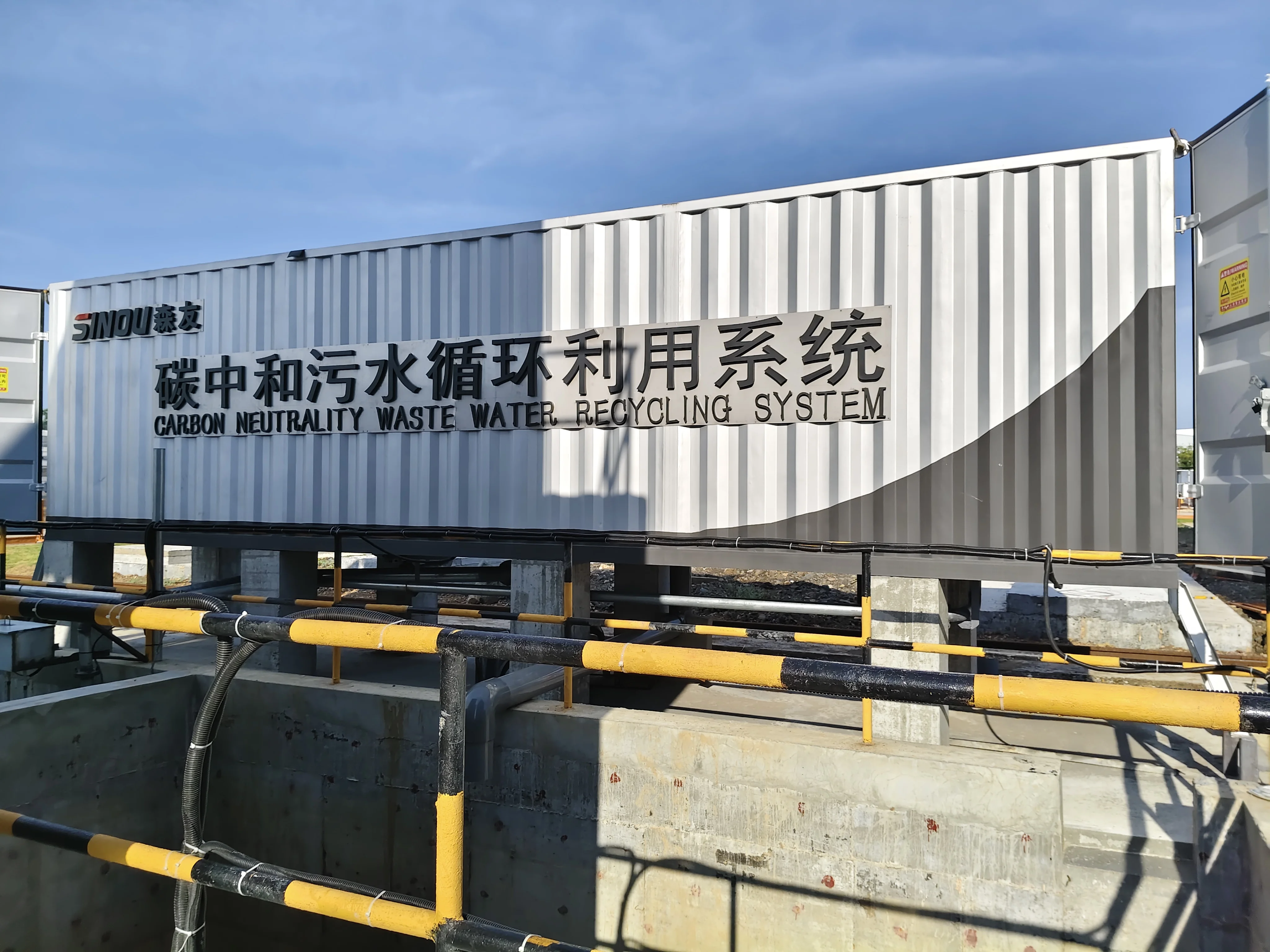
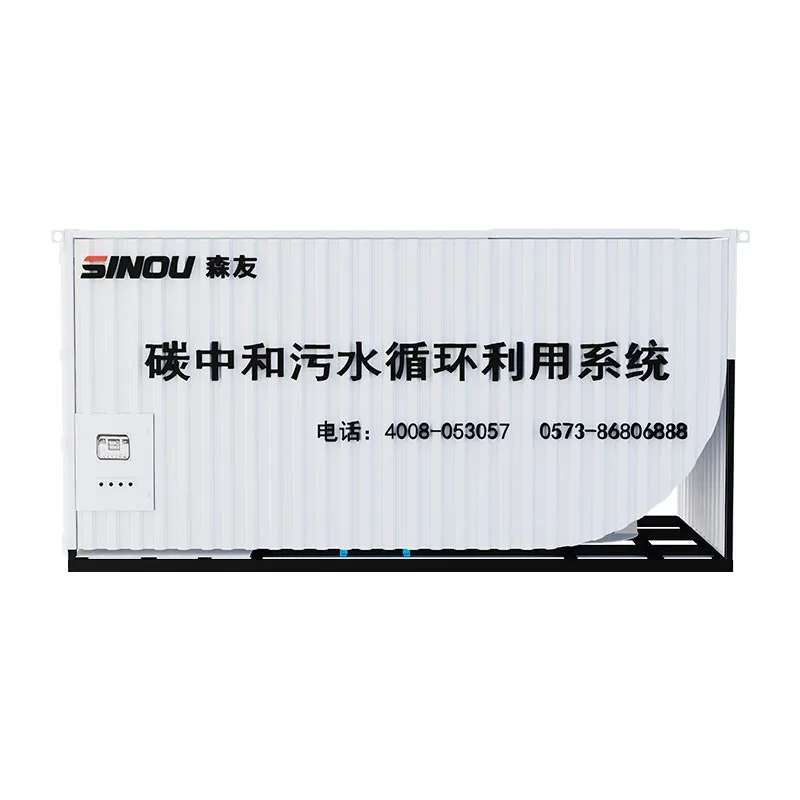
SINOU Carbon Neutrality Wastewater Treatment System is a containerized integrated neutralization and recycling unit tailor-made for concrete batching plant alkaline wastewater, perfectly supporting the full-set residual concrete recovery & aggregate regeneration system required by the Saudi tender.
Concrete plant wastewater features ultra-high alkalinity (raw pH 12.5–13) and heavy suspended desert fine silt (50–100μm ultra-fine sand). This wastewater system uses food-grade liquid CO₂ carbonation neutralization technology, replacing traditional caustic soda dosing. It stabilizes effluent pH to 6.5–8.5 for direct production reuse, eliminates secondary pollution, mitigates silt deposition, resolves pump blockage, and lifts long-term system availability above 95%.
Full Equipment Composition
The complete skid-mounted water circulation system consists of these core assemblies:
● Liquid CO₂ storage tank & vaporizer unit
● Pressure reducing & gas delivery power plant
● Two-stage cascade reaction reactor
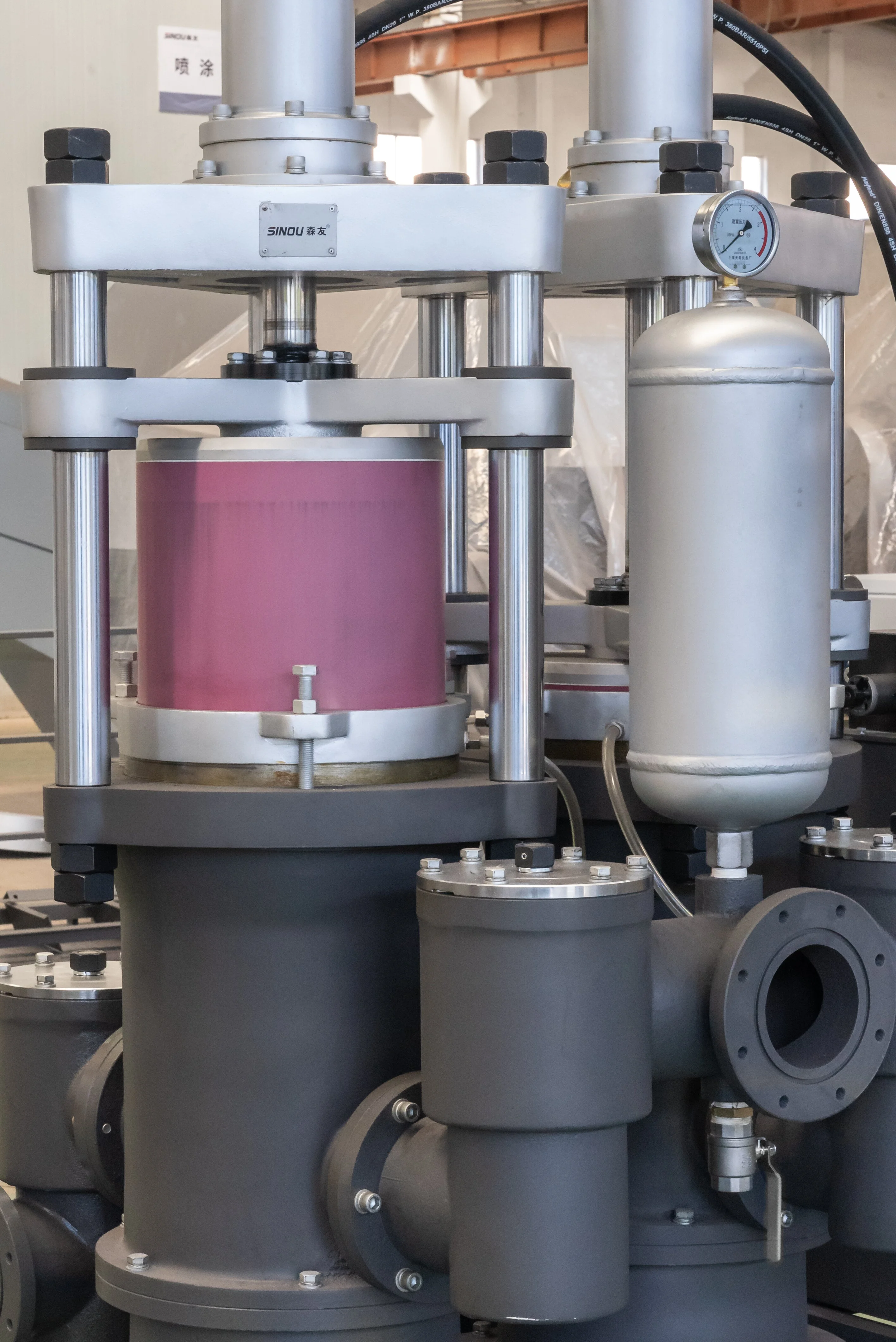
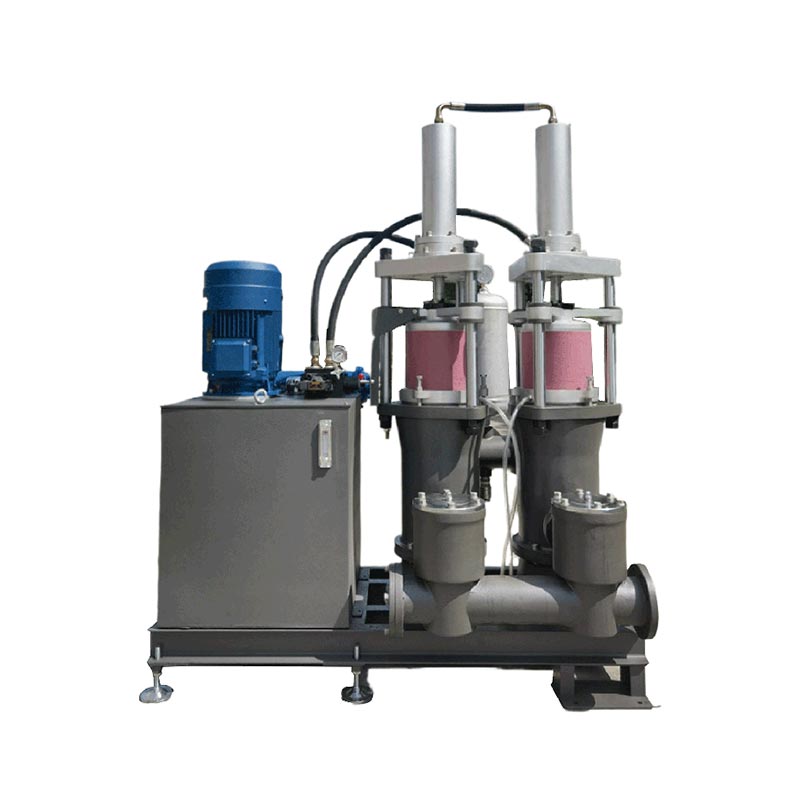
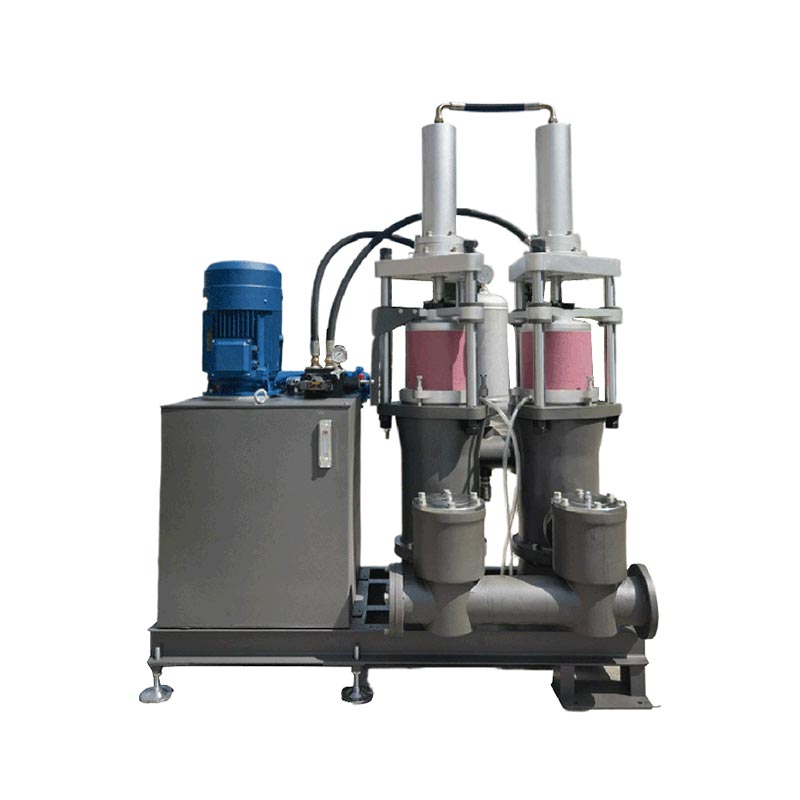
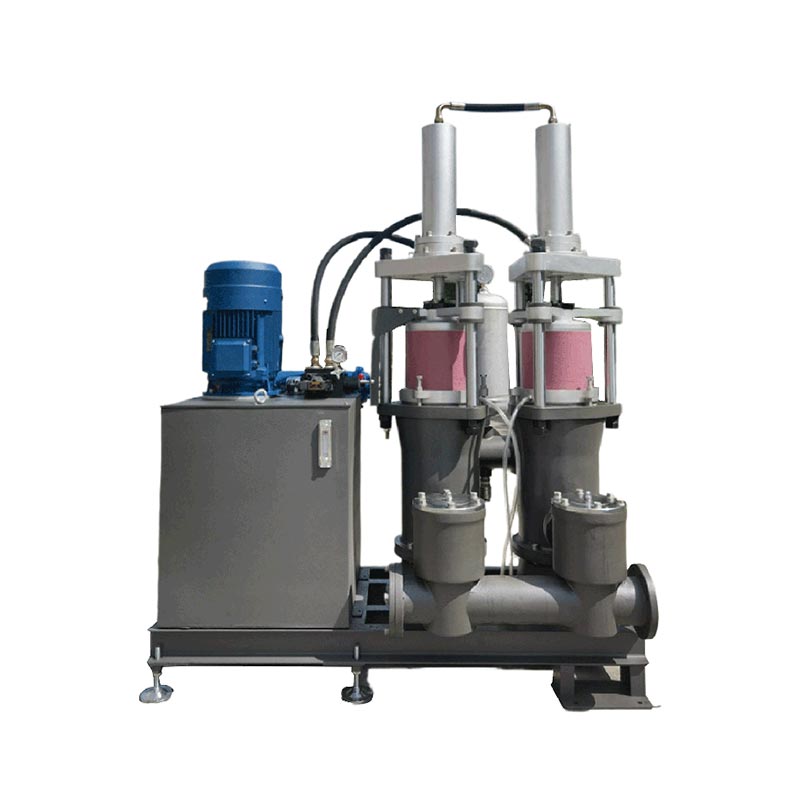
● High-pressure plunger feed pump set
● PH online transmitter & real-time monitoring probe
● Radar level gauge for pool liquid level interlock control
● PLC+MCC electronic automatic control cabinet, HMI touch screen & mobile APP remote control
● Pressure safety control system & gas-liquid solenoid valves
● Solid-liquid filter press / slurry filter for silt dewatering
● Supporting raw water tank, transition buffer tank, clean water reuse tank & pipeline framework
Complete Working Flow & Process Description
Step 1: Raw Water Collection & Pre-Filtration
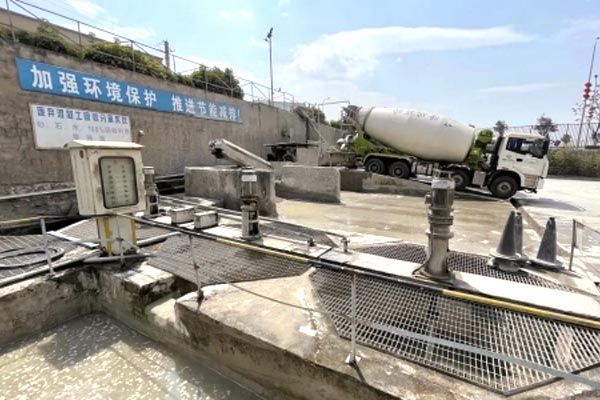
Highly alkaline wastewater containing massive ultra-fine desert silt flows from the concrete recovery line into the raw water tank. Large flocs and coarse solids are pre-intercepted; soluble silt-laden wastewater is pumped to the reaction module via the plunger feed pump.
Step 2: CO₂ Atomization & Two-Stage Neutralization
Liquid CO₂ is vaporized into gaseous CO₂, pressure-regulated and injected into the sealed two-stage reactor. Alkaline wastewater is atomized inside the tower and fully mixed with CO₂ gas: High-alkali calcium hydroxide from cement & desert sand reacts to form insoluble calcium carbonate silt, lowering pH steadily. Real-time PH probes feed signals back to the PLC to auto-adjust CO₂ gas flow for precise pH stabilization.
Step 3: Buffer Sedimentation & Slurry Separation
Neutralized water overflows into the transition tank; precipitated carbonate-sand slurry sinks to the tank bottom. Periodically, concentrated slurry is pumped into the solid-liquid filter press unit. Filter cake (mixed sand & carbonate sludge) is dewatered for solid waste disposal; filtrate flows back to the raw water tank for reprocessing.
Step 4: Final Polishing & Clean Water Reuse
Supernatant clarified water from the transition tank flows into the clean water pool. Treated water meets concrete mixing reuse standards, pumped back to mixer truck washing, aggregate washing, and batching production lines to realize 100% water closed-loop circulation.
Step 5: Full Automatic Interlock Control
Radar level gauges monitor liquid levels across all pools; PH transmitters, gas pressure sensors, pump running signals interlock with the PLC system to auto-adjust pump speed, CO₂ flow, and slurry discharge cycles. Manual/automatic dual operation modes are available, with remote mobile APP monitoring and fault alarm.
Core Technical Advantages
(1) Precise CO₂ neutralization, zero secondary pollution, low operation cost
No alkaline chemical additives like sodium hydroxide. CO₂ carbonation creates stable carbonate precipitates, avoids over-dosing pH fluctuation, cuts chemical consumption cost.
(2) Specialized anti-silt-deposition design for 50–100μm desert fine sand
Two-stage reactor with turbulent mixing prevents ultra-fine sand adhesion to tank walls; transition tank adopts sloped anti-silt bottom structure + timed slurry pumping cycle.
(3) Full anti-clogging protection for circulating pumps
Pre-filter screens before pump suction ports + variable-frequency plunger pump with large flow passages; neutralization flocculation aggregates tiny desert sand particles into larger settleable flocs, reducing fine particle abrasion and blockage of pump impellers and pipeline elbows.
(4) High system availability ≥95% as tender specified
Robust corrosion-resistant material construction for all wetted parts (anti-alkali, anti-silt abrasion); automated self-clean slurry discharge cycles reduce manual maintenance frequency drastically vs conventional wastewater systems. Long service life with minimal downtime.
(5) Large matching handling capacity perfectly fits project demand
Standard processing water flow 30–60m³/h. Gas flow adjustable 50–500m³/h to cope with fluctuating peak wastewater output from 3 sets of 150m³/h mixing plants.
(6) Fully automated unattended operation
PLC+HMI local control + mobile APP remote real-time monitoring, fault self-diagnosis and alarm.
(7) Containerized integrated skid layout
Compact pre-assembled container frame. fast on-site installation without complex civil foundation modification.
Official Technical Parameter Table
|
Parameter Item |
Technical Value |
|
CO₂ Gas Flow Adjustment Range |
50 ~ 500 m³/h |
|
Rated Wastewater Treatment Capacity |
30 ~ 60 m³/h |
|
Operation Control Mode |
Manual / Automatic switchable |
|
Overall Control System |
PLC electronic automation + Mobile APP remote monitoring |
|
Total Installed Power |
20 ~ 50 kW |
|
Effluent Neutralization PH Range |
6.5 ~ 8.5 (fully compliant for concrete production reuse) |
|
Input Raw Wastewater PH Adaptation |
12.5 ~ 13 |
|
Power Supply Standard |
3 Phase, 380V, 60Hz (compatible with site synchronous generator power) |
Matching Collaboration with Aggregate Recovery System
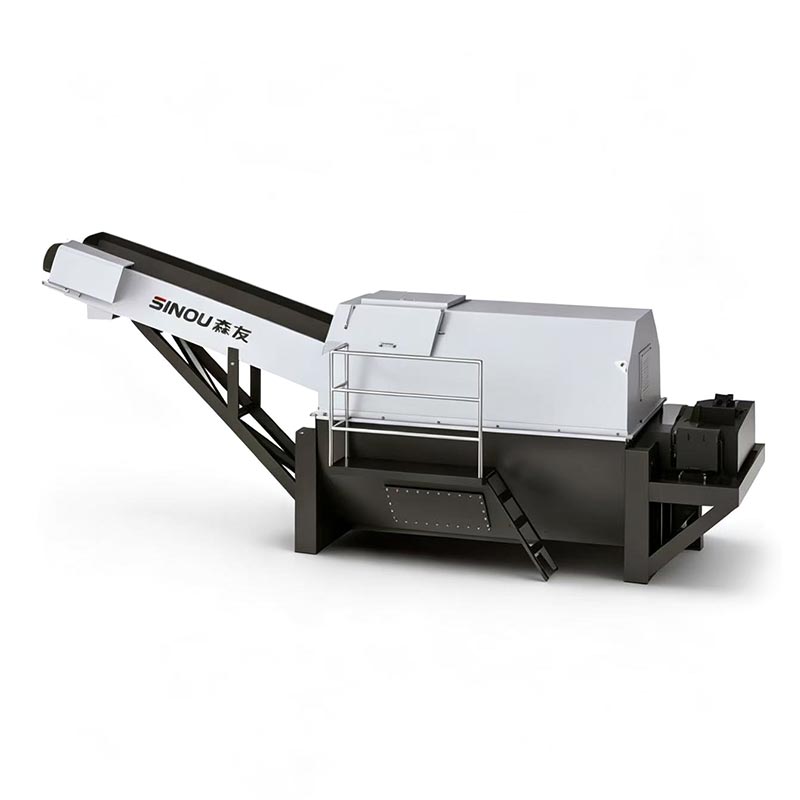
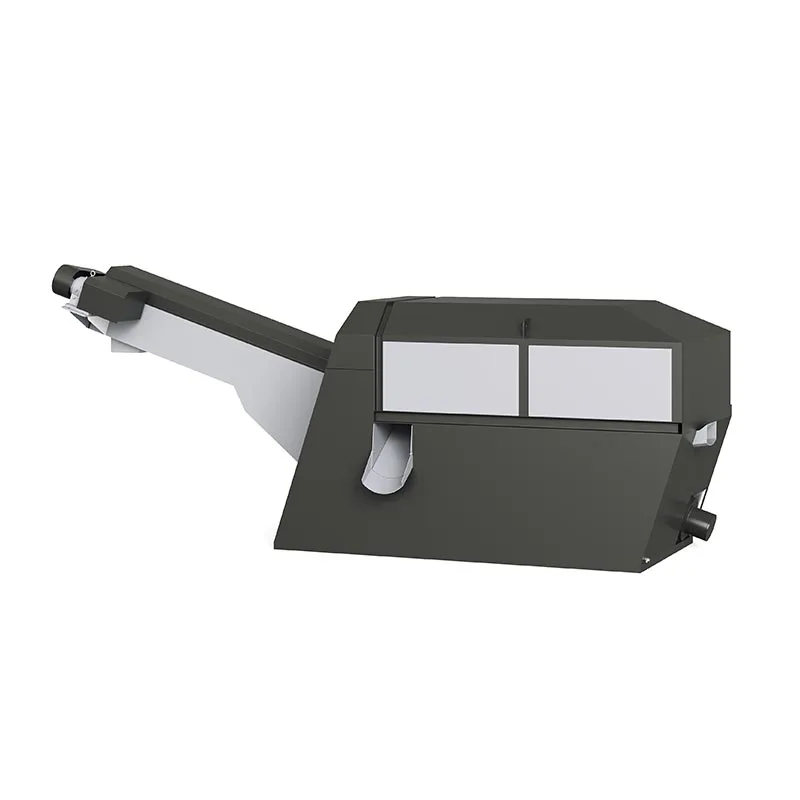
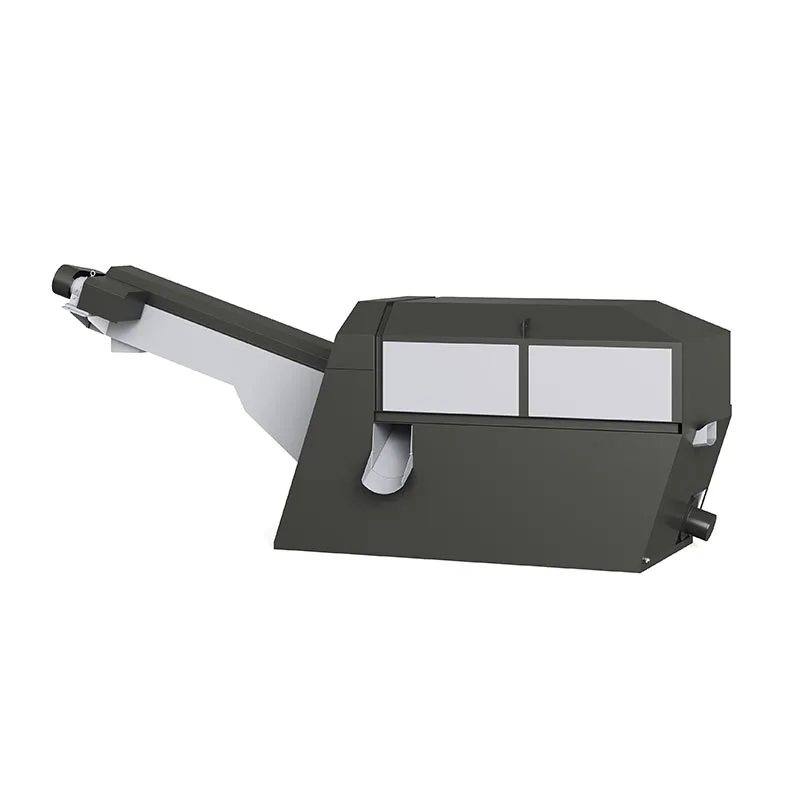
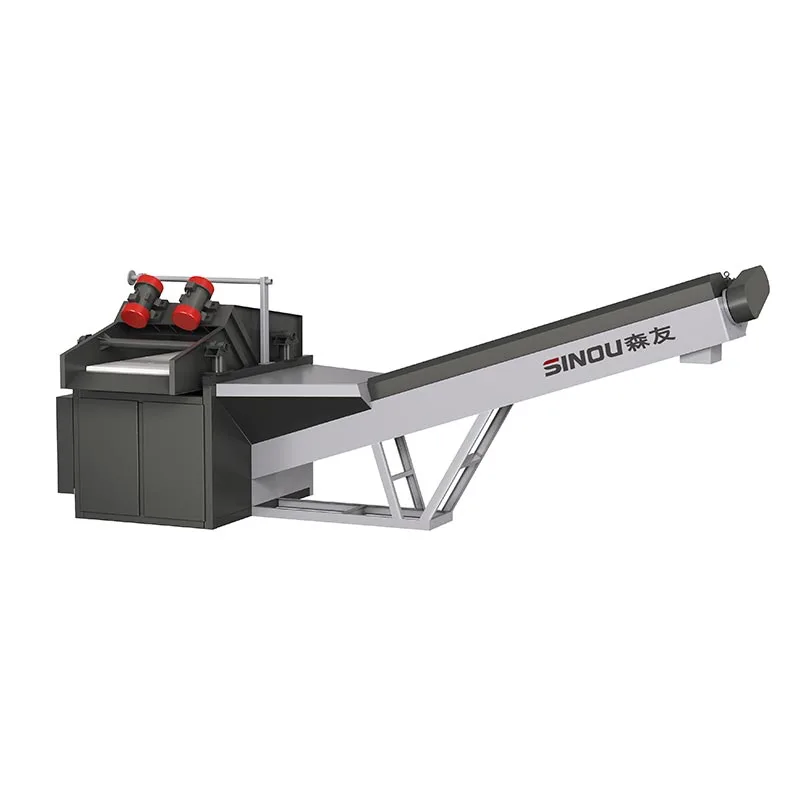
This carbon neutrality wastewater unit forms a complete closed-loop resource regeneration line with our Rotary Concrete Reclaimer / Vibratory Concrete Reclaimer:
● Wastewater discharged from sand-gravel separators feeds directly into this neutralization system’s raw water tank;
● Ultra-fine 50–100μm desert sand captured in neutralization sediment is partially recoverable back to aggregate stockpiles; excess sludge is filter-pressed for low-cost solid waste disposal, minimizing waste volume;
● Fully recycled clean water cycles back to wash mixer trucks, flush separators, and feed concrete batching, slashing freshwater purchase consumption and environmental discharge fees;
● Unified MCC central control cabinet realizes synchronous start-stop interlock between the aggregate recovery host and wastewater treatment system for whole-line coordinated automatic operation.
Maintenance & Quality Assurance Compliance
● Warranty term: Minimum 3-year full equipment warranty from acceptance completion, matching tender warranty rules.
● 2-year spare parts package: We supply a complete recommended spare parts list covering two full years of continuous operation, with formal unit pricing and confirmed lead time for spare delivery to Saudi Arabia.
● After-sales service: Overseas engineer on-site installation guidance, full equipment commissioning, hands-on operator training programs, dedicated dispatched technical support staff for site startup.
● HCC Gulf Region project track record: We provide authenticated reference cases for Saudi Arabia and other GCC states with existing desert sand concrete plant wastewater neutralization & recycling installations, to boost tender evaluation score for local industry experience.
Product Feature Highlights
● Efficient carbon dioxide neutralization to stabilize water PH
● Eco-friendly low-carbon process, no secondary pollution
● Full automated remote intelligent control system
● Mature industrialized technology with stable guaranteed quality
● Anti-abrasion & anti-corrosion component materials extend service lifespan
● Low chemical input, reduces long-term plant operating expenditure
● Containerized modular design for easy overseas transport and rapid field assembly
FAQ
Q1: What supporting equipment can this wastewater system work with?
A: This carbon neutrality wastewater system is independently developed by SINOU, which is perfectly matched with our full series of concrete recycling equipment, including rotary concrete reclaimer, vibratory concrete reclaimer and feeding chutes. It forms a complete closed-loop treatment line for residual concrete and washing wastewater of concrete batching plants. The whole set of equipment adopts unified PLC central control, realizing synchronous linkage operation and easy overall management.
Q2: What is the applicable treatment capacity of the system? Can it meet the requirements of large mixing plants?
A: Our standard wastewater system has a processing capacity ranging from 30 m³/h to 60 m³/h, which fully satisfies the water treatment demand of large concrete batching plants with multiple production lines. We also support customized flow design according to actual daily wastewater output to match different plant scales.
Q3: What is the applicable power supply standard of the equipment?
A: The system is designed for 3-phase, 380V, 60Hz power supply, which is completely compatible with the synchronous generator power supply commonly used in Saudi Arabia and other Gulf regions. The electrical components have been optimized for unstable voltage of generator sets to ensure stable operation.
Q4: How does the system treat fine particles below 100μm in desert sand?
A: We adopt a combined process of multi-stage filtration, coagulation and gravity sedimentation. Firstly, multi-layer precision filter screens intercept most fine sand; then stirring equipment mixes wastewater with coagulant to gather scattered micro-particles into large flocs.
After natural sedimentation in the horizontal sedimentation tank, the residual tiny particles are trapped by the front-end filter of the pump. Finally, all sludge containing fine sand is transported to the filter press for deep dewatering, realizing full disposal of particles below 100μm without leakage.
Q5: Why does the solution not adopt hydrocyclone and inclined tube sedimentation tank?
A: Combined with the actual working conditions of desert fine sand and SINOU’s mature technical route, we cancel hydrocyclone and inclined tube structures. The horizontal sedimentation tank with large volume is equipped with full-time stirring devices, which extends the hydraulic retention time and ensures sufficient settlement of ultra-fine sand.
This design simplifies the equipment structure, reduces failure points and daily maintenance workload, and is more suitable for long-term continuous operation in harsh desert environments.
Q6: What measures are taken to prevent sediment accumulation inside tanks and pools?
A: We take multiple anti-sediment measures. All water tanks adopt sloped cone-bottom structure without dead corners, and the inner wall is coated with anti-stick and wear-resistant coating. Every tank is equipped with dedicated stirring devices to keep the water body flowing dynamically all the time.
Meanwhile, the system is fitted with liquid mud level monitors and automatic mud discharge valves, which regularly discharge sludge to the filter press. It fundamentally avoids long-term deposition and compaction of sediment.
Q7: How to solve the blockage problem of water pumps caused by a large amount of fine sand?
A: There are multiple protection measures for pump anti-clogging. First, multi-stage filters are installed at the pump inlet to block sundries and agglomerated mud.
Second, we use SINOU’s self-developed hydraulic ceramic plunger pump with large flow passages and excellent anti-abrasion performance, which is not easy to be stuck by fine particles.
In addition, the stirring device will run in advance before the pump starts to stir up the bottom sediment, preventing instantaneous mud suction and blockage. The system also has overload and stall protection to stop the machine automatically in case of abnormal conditions.
Q8: Will fine sand cause serious wear to pipeline and equipment?
A: All flow-passing parts in contact with sewage and fine sand are made of high wear-resistant materials. The inner wall of pipelines and tanks is treated with anti-abrasion coating.
Combined with the pre-filtering process, the content of free fine sand in the water is greatly reduced, which effectively lowers the wear rate of the whole system and extends the service life.
Q9: Is it necessary to equip stirring systems for the whole set of equipment? What are their functions?
A: Stirring systems are standard configurations for all tanks and pools. The stirrers in the water collection tank and concentration tank prevent fine sand from settling and compacting; the stirrers in the reaction tank ensure the full mixing of carbon dioxide, coagulant and wastewater, so as to guarantee the neutralization and flocculation effect.
All stirring devices are interlocked with pumps and mud discharge valves to realize fully automatic operation.
Q10: Why choose filter press for sludge treatment? What are the advantages?
A: The filter press is the core equipment for terminal sludge disposal. It can squeeze high-concentration mud containing ultra-fine sand into dry mud cakes, realizing thorough solid-liquid separation. The filtrate flows back to the front-end pool for recycling, achieving zero sewage discharge.
The fully automatic filter press supports unattended operation, with large sludge processing capacity and stable performance, which is the optimal choice for continuous production of mixing plants.
Q11: What technology is used for wastewater pH neutralization? Is there secondary pollution?
A: This system adopts carbon dioxide neutralization technology, which is our core carbon neutrality solution. The alkaline substances in cement wastewater react with CO₂ to generate water and harmless carbonate sediment.
No caustic soda and other chemical agents are added during the whole process, so there is no secondary pollution, which meets local environmental protection standards in the Gulf region.
Q12: What is the pH range of the recycled water? Can it be reused for concrete production?
A: The raw alkaline wastewater from mixing plants has a pH value of 12.5~13. After CO₂ neutralization treatment, the pH of the effluent is stably controlled between 6.5 and 8.5.
The recycled water fully meets the water quality standards for concrete batching and mixer truck cleaning, and can be directly reused in the production link.
Q13: What is the daily maintenance work of the wastewater system? Is the maintenance difficult?
A: The overall maintenance work is simple. Daily work mainly includes inspecting the operating status of pumps and stirrers, checking filter screens and conducting backwashing, and observing liquid level and pH data.
Weekly and monthly maintenance focuses on lubrication, instrument calibration and bolt fastening. We have formulated a complete hierarchical maintenance plan, and the operation and maintenance personnel can get started quickly after professional training.
Q14: What is the recommended maintenance cycle of the equipment?
A: We adopt five-level maintenance management: daily inspection, weekly routine maintenance, monthly partial overhaul, quarterly component inspection and annual full-system overhaul. The wearing parts such as filter screens, filter cloths, pump seals and stirring blades have clear replacement cycles, which can effectively ensure the overall operation rate of the equipment above 95%.
Q15: What is the warranty period of the equipment? What after-sales support can be provided?
A: The whole set of wastewater system enjoys a 3-year full warranty . We provide overseas on-site installation guidance, equipment commissioning and professional operator training. A complete list of spare parts for two years of operation is provided together with the equipment, and we guarantee fast delivery of spare parts to the Gulf region.
Q16: Can the system realize unattended operation?
A: Yes. The whole system adopts PLC + HMI intelligent control, with full automatic linkage of stirring, water pumping, mud discharging and filter pressing. It supports real-time remote monitoring and fault alarm, realizing 24-hour unattended continuous operation, which greatly saves labor costs for the plant.
Q17: What are the advantages of this system compared with traditional wastewater treatment equipment?
A: Firstly, it targets the pain points of desert ultra-fine sand, with perfect anti-sedimentation and anti-clogging design and higher equipment operation rate.
Secondly, carbon dioxide neutralization technology saves chemical costs and is more environmentally friendly.
Thirdly, the equipment structure is simplified without redundant units such as hydrocyclones, so the failure rate and long-term maintenance cost are lower.
In addition, the compact layout is convenient for transportation and on-site installation.
- View as
Alkaline Wastewater Treatment System for Concrete Batching Plant
Sinou, a leading China manufacturer and supplier, offers the Alkaline Wastewater Treatment System for Concrete Batching Plant. This system neutralizes high-alkaline wastewater from concrete production, ensuring discharge compliance and water recycling. As a trusted supplier, Sinou provides factory-direct pricing, CE certification, and on-site installation support for global batching plant projects.
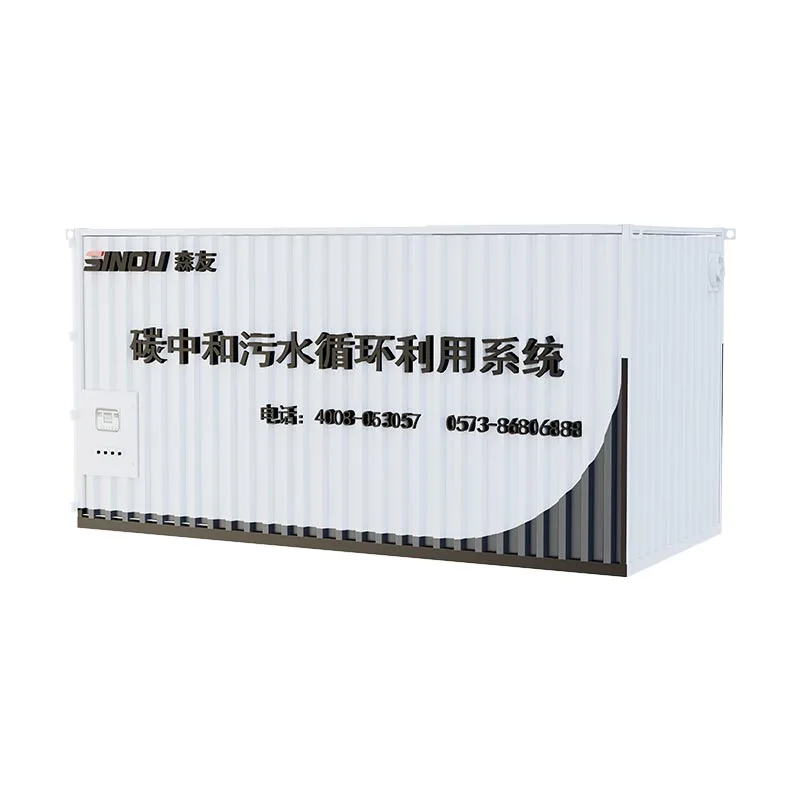
Concrete Sewage Neutralization Treatment System
Sinou factory can offer Concrete Sewage Neutralization Treatment System for construction site wastewater. Built with corrosion-resistant materials, this China factory-produced system neutralizes acidic/alkaline concrete sewage to meet environmental regulations. Sinou offers customization, certification support, and factory-direct pricing for global buyers.
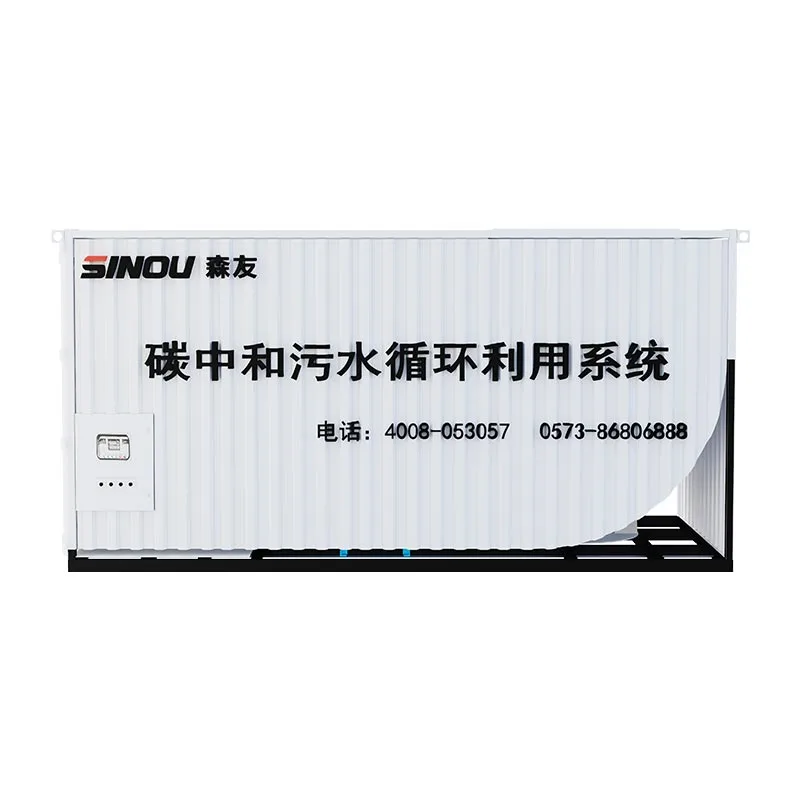
Carbon Neutral Wastewater Treatment System for Concrete Batching Plant
Sinou, an eco-focused China manufacturer and supplier, offers the Carbon Neutral Wastewater Treatment System for concrete batching plants. This advanced system treats wastewater while reducing carbon emissions, supporting sustainable production. Sinou provides factory-direct sales, eco-certification support, and global technical assistance.
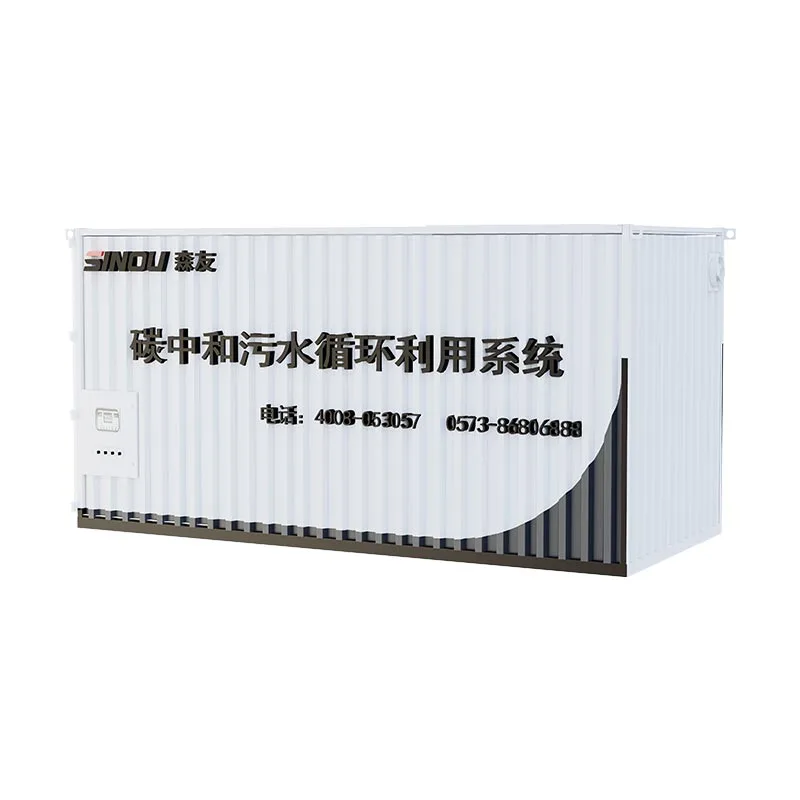
Construction Water Purification Treatment Equipment
As a manufacturer and supplier in China, Sinou provides Construction Water Purification Treatment Equipment for on-site wastewater treatment. Our equipment purifies construction wastewater for reuse or discharge, helping projects meet environmental standards. Sinou offers compact designs, fast delivery, and factory pricing for global construction clients.
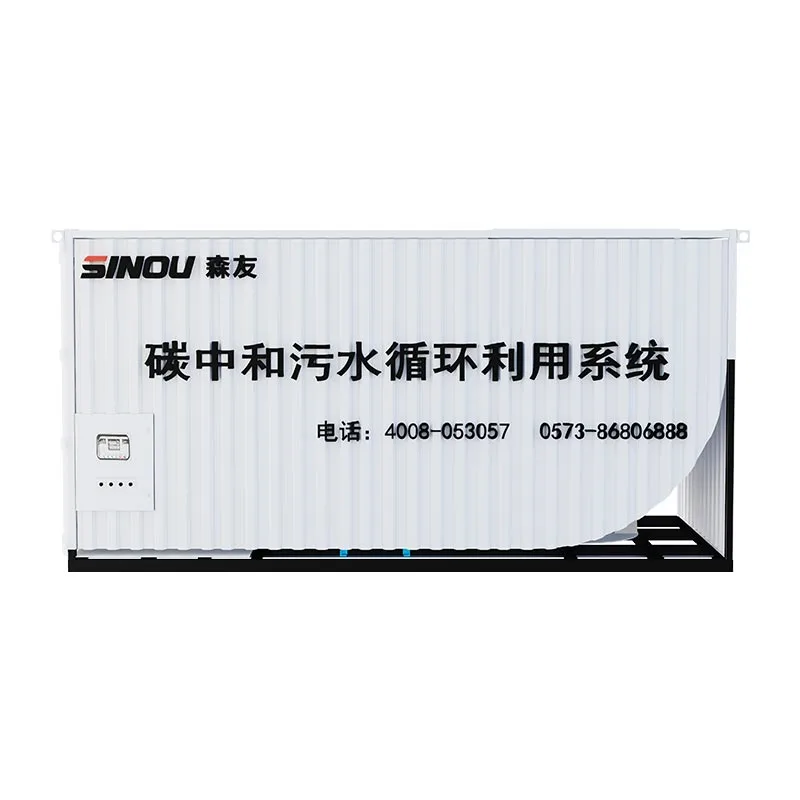
Carbon Neutral Construction Site Wastewater Treatment System
Choose Sinou as your supplier, choose our advanced Carbon Neutral Construction Site Wastewater Treatment System. Produced in our factory, this system treats construction wastewater while minimizing carbon emissions, supporting green building certifications. Sinou offers eco-certification support and factory-direct pricing.

Municipal Carbon Neutral Wastewater Treatment System
Sinou, a China manufacturer and supplier specializing in municipal projects, offers the Municipal Carbon Neutral Wastewater Treatment System. Produced in our China factory, this system treats urban construction and domestic wastewater while meeting municipal environmental standards. Sinou provides customized solutions, certification support, and factory-direct pricing.
As a reliable Wastewater System manufacturer and supplier in China, we have our factory. If you want to buy quality and durable products, please contact us.