English
- English
- Español
- Português
- русский
- Français
- 日本語
- Deutsch
- tiếng Việt
- Italiano
- Nederlands
- ภาษาไทย
- Polski
- 한국어
- Svenska
- magyar
- Malay
- বাংলা ভাষার
- Dansk
- Suomi
- हिन्दी
- Pilipino
- Türkçe
- Gaeilge
- العربية
- Indonesia
- Norsk
- تمل
- český
- ελληνικά
- український
- Javanese
- فارسی
- தமிழ்
- తెలుగు
- नेपाली
- Burmese
- български
- ລາວ
- Latine
- Қазақша
- Euskal
- Azərbaycan
- Slovenský jazyk
- Македонски
- Lietuvos
- Eesti Keel
- Română
- Slovenski
- मराठी
- Srpski језик
Products
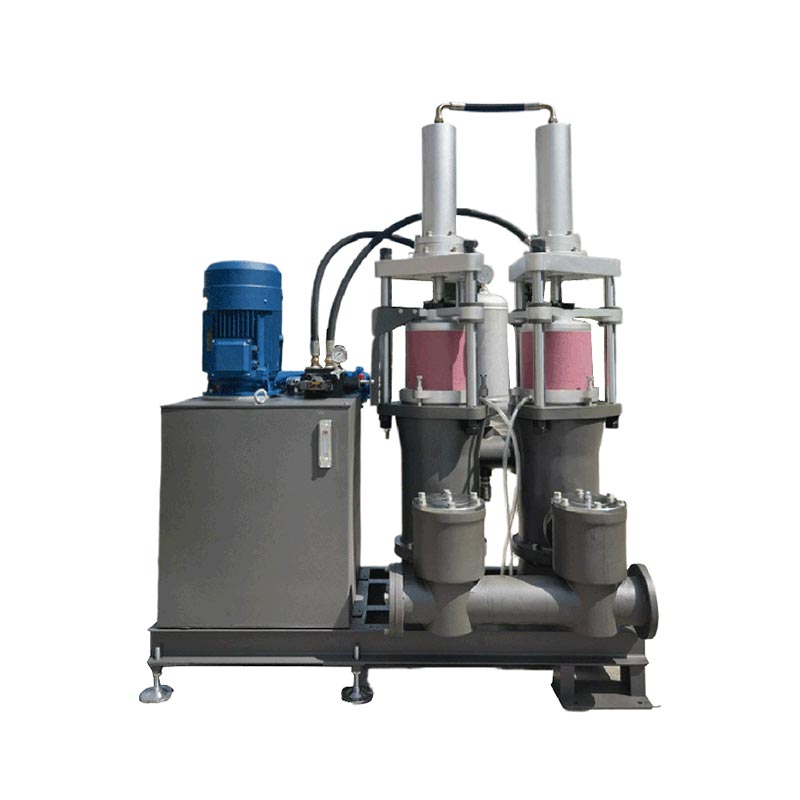
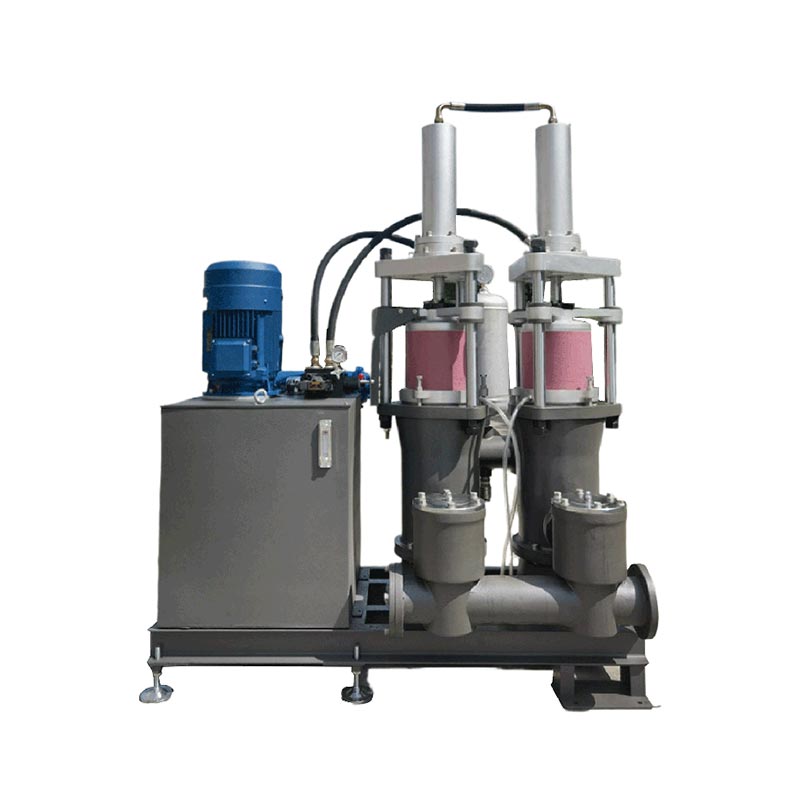
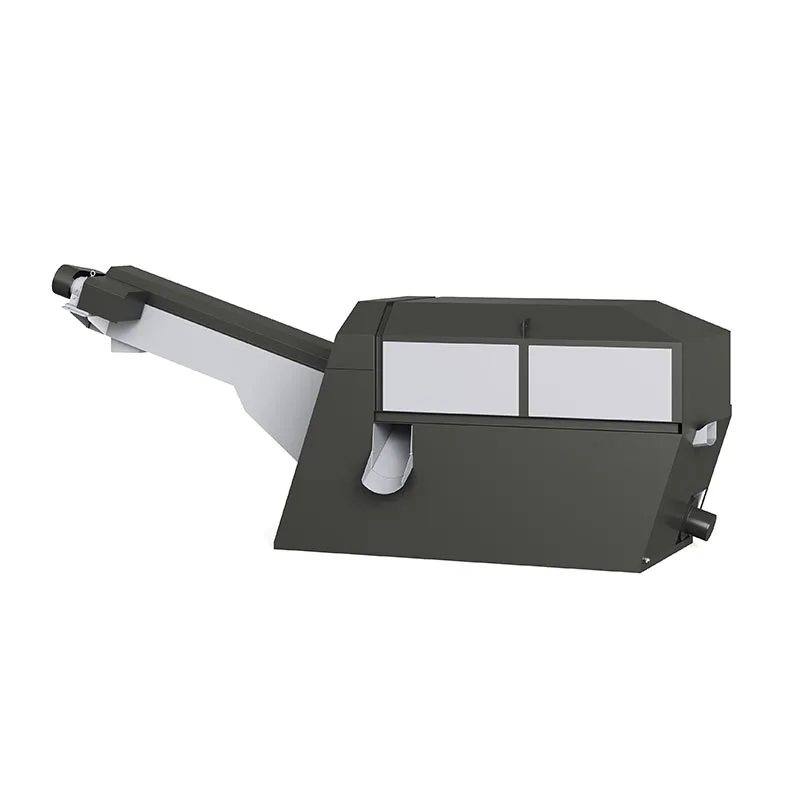
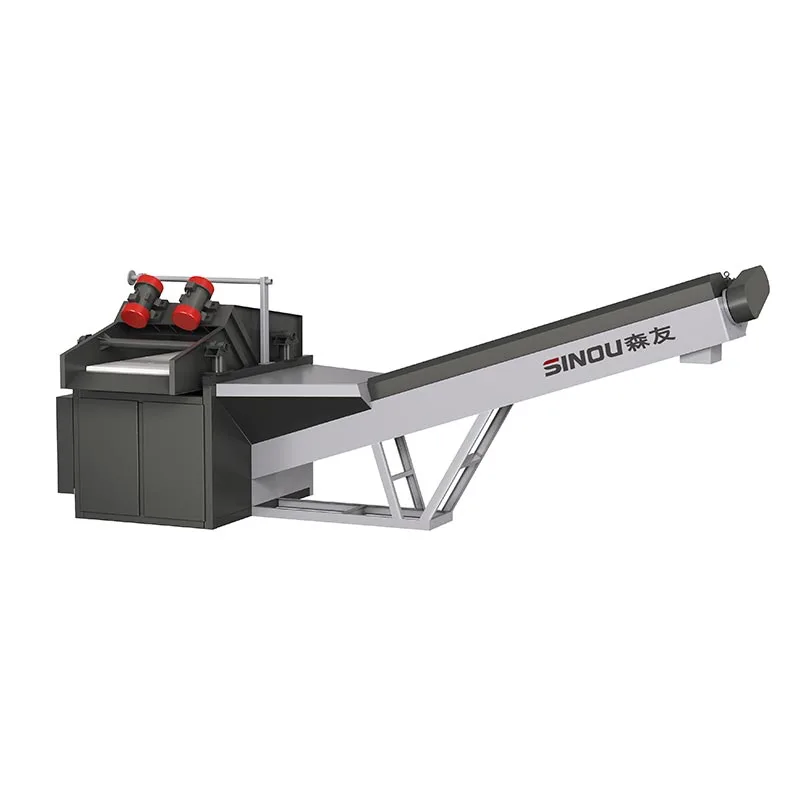


Concrete Sewage Neutralization Treatment System
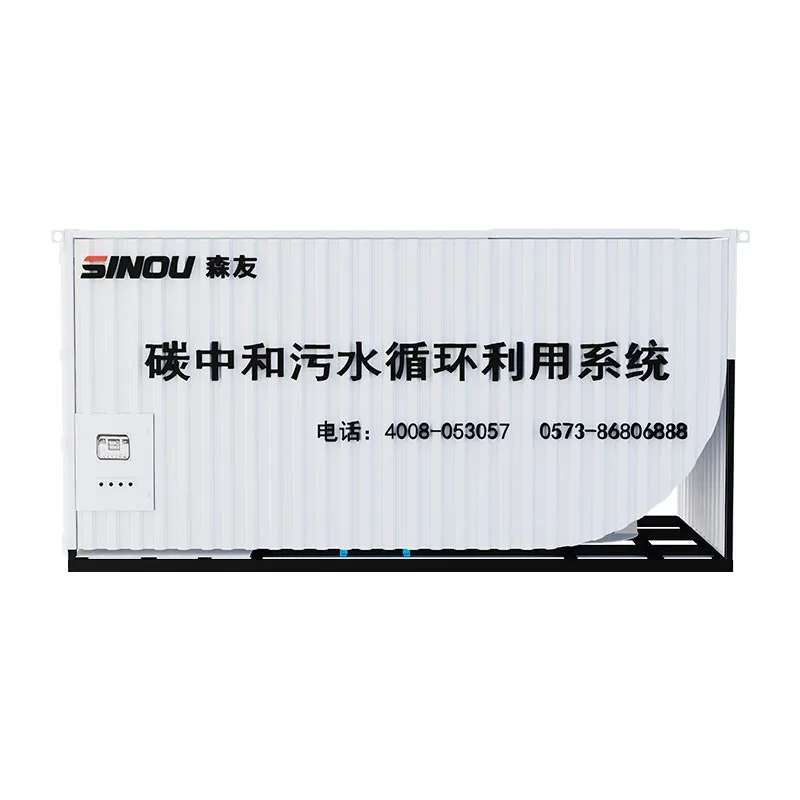
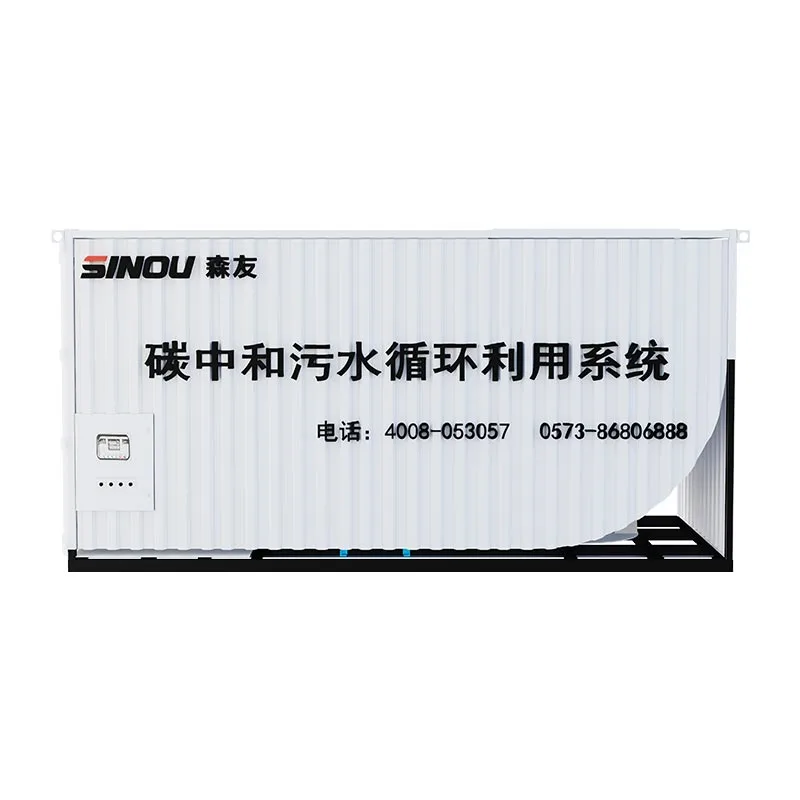
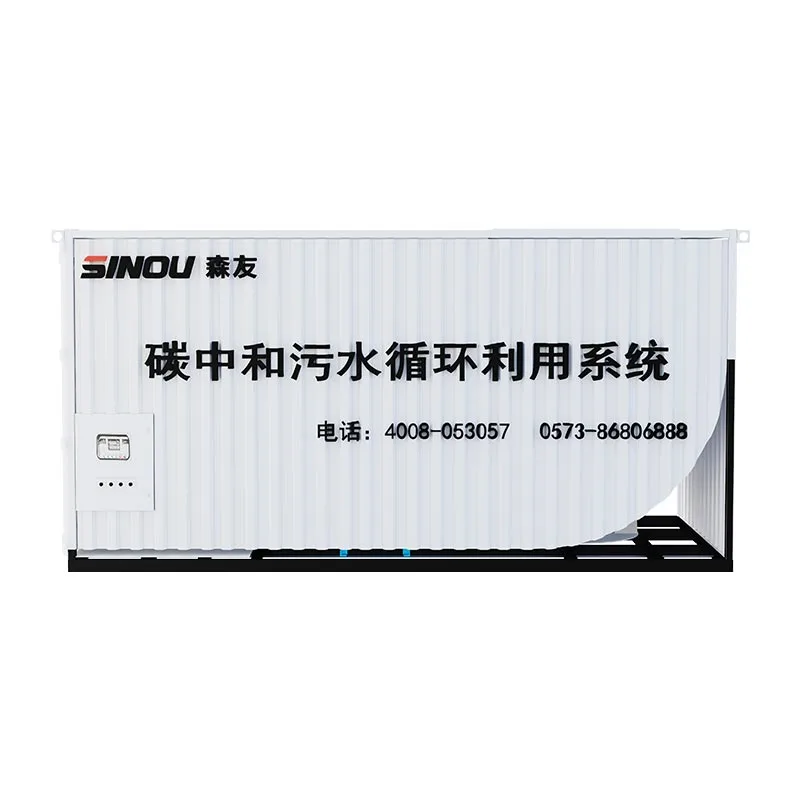
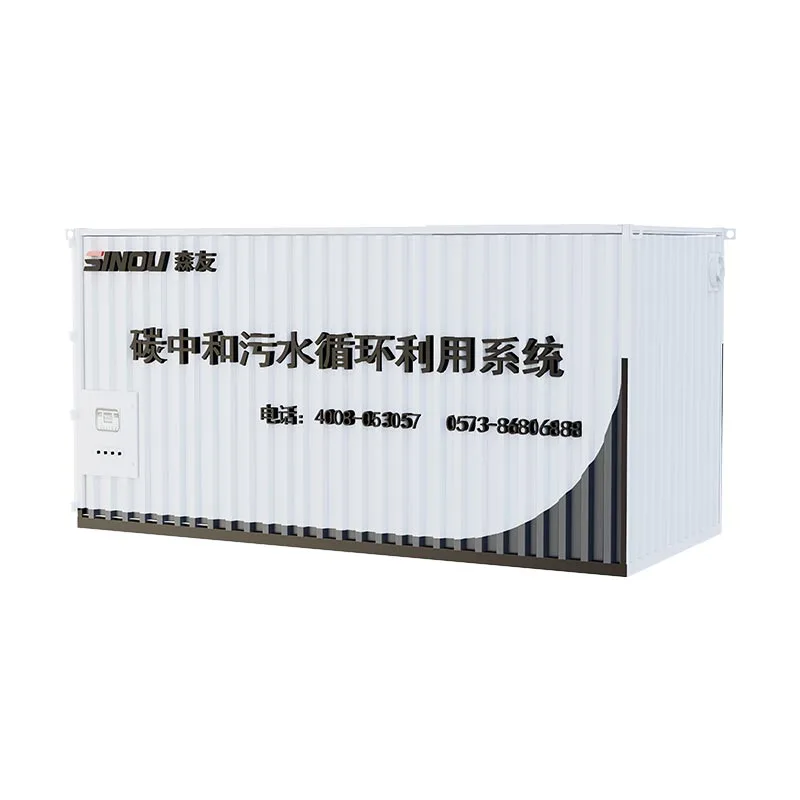
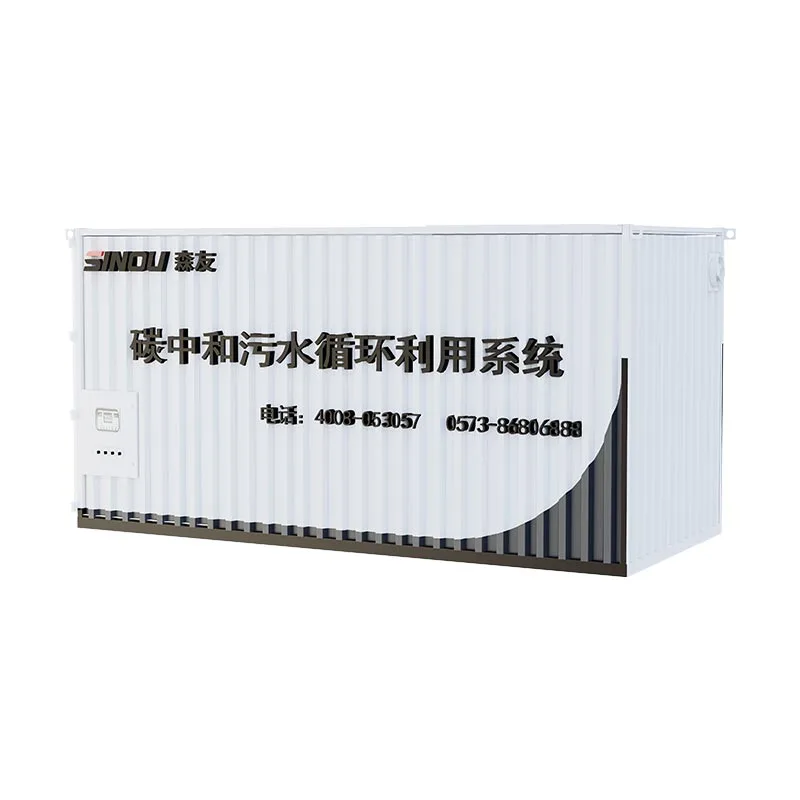
Sinou factory can offer Concrete Sewage Neutralization Treatment System for construction site wastewater. Built with corrosion-resistant materials, this China factory-produced system neutralizes acidic/alkaline concrete sewage to meet environmental regulations. Sinou offers customization, certification support, and factory-direct pricing for global buyers.
Designed and manufactured by Sinou’s China factory, this Concrete Sewage Neutralization Treatment System addresses the specific challenges of construction site wastewater. We integrate pH adjustment, sedimentation, and filtration into a compact unit, ensuring reliable treatment of concrete sewage with fluctuating quality.


Specifications & Parameters
| Model | Treatment Capacity (m³/h) | Treatment Mode | Total Power (kW) | Neutralization Effect (pH Value) | SS Content (mg/L) |
| SY-TZH50-1 | 50 | Automatic / 4G Module | 7.5 | 6–8 | ≤10 |
| SY-TZH100-2 | 100 | Automatic / 4G Module | 11 | 6–8 | ≤10 |
| SY-TZH150-2 | 150 | Automatic / 4G Module | 15 | 6–8 | ≤10 |
| SY-TZH300-2 | 300 | Automatic / 4G Module | 30 | 6–8 | ≤10 |
| SY-TZH400-5 | 400 | Automatic / 4G Module | 37 | 6–8 | ≤10 |
| SY-TZH500-5 | 500 | Automatic / 4G Module | 45 | 6–8 | ≤10 |
What Is This Product?
This concrete sewage neutralization treatment systemis an integrated neutralization treatment system designed for concrete-related sewage, combining pH adjustment, coagulation, sedimentation, and filtration to purify alkaline wastewater and enable reuse.
1. It is a complete water treatment solution tailored for concrete production and construction scenarios, addressing the problem of high-alkaline sewage discharge that plagues many concrete enterprises.
2. The system automatically adjusts the pH value of wastewater to meet national discharge standards, removes suspended solids and impurities, and produces clean water that can be reused for production and construction.
3. It is a modular and compact system that can be installed on-site with minimal civil engineering work, making it suitable for both fixed batching plants and temporary construction sites.
4. The system includes an automatic dosing unit, sedimentation tank, filtration unit, and control panel, forming a self-contained treatment process that requires minimal manual intervention.
5. It is designed to handle the variable water quality and volume of concrete wastewater, with automatic adjustment functions to ensure stable treatment effect even under fluctuating conditions.
6. It is an environmentally friendly and cost-effective solution that helps concrete enterprises reduce water costs, eliminate sewage discharge fees, and meet environmental compliance requirements.
Use and Safety Precautions
To ensure safe and stable operation, users must follow standardized operating procedures and safety precautions during installation, commissioning, and daily use of the system.
1. Before startup, check all pipelines, valves, and connections to ensure there are no leaks or blockages. Verify the pH sensor calibration to ensure accurate monitoring.
2. When adding neutralizing agents, wear protective gloves and goggles to avoid skin and eye contact with chemicals. Do not mix different types of neutralizers without professional guidance.
3. During operation, keep the equipment room well-ventilated to prevent the accumulation of harmful gases. Do not open the reaction tank or sedimentation tank cover while the system is running.
4. Regularly inspect the pump, motor, and control system to ensure normal operation. If abnormal noise or vibration is detected, shut down the system immediately for inspection.
5. After long-term use, clean the sedimentation tank and filter media to remove accumulated sludge and impurities, preventing clogging and reduced treatment efficiency.
6. Keep the electrical control panel dry and free from dust. In humid environments, install a dehumidifier to prevent short circuits and electrical faults.
How to Choose the Right Model
Choosing the right model of concrete sewage neutralization treatment system depends on the scale of your operation, wastewater characteristics, site conditions, and reuse requirements.
1. Calculate your daily wastewater volume based on the daily concrete production capacity of your plant. Select a system with a treatment capacity that is 1.2–1.5 times your maximum daily volume to avoid overload.
2. Analyze the pH level and composition of your wastewater. If the alkalinity is extremely high or fluctuates greatly, choose a model with a stronger neutralization capacity and automatic dosing adjustment function.
3. Consider your site space and layout. If you have limited space, choose a compact integrated model. If you have room for expansion, select a modular system that can be upgraded later.
4. Determine your reuse water quality requirements. If you need water for concrete production, choose a model with advanced filtration. If only basic discharge is required, a standard model may suffice.
5. For temporary construction sites, a mobile skid-mounted model is more suitable. For fixed batching plants, a permanent installation with anti-corrosion materials is recommended.
6. Consult with our technical team to conduct a site survey and provide a customized solution based on your specific working conditions and compliance requirements.
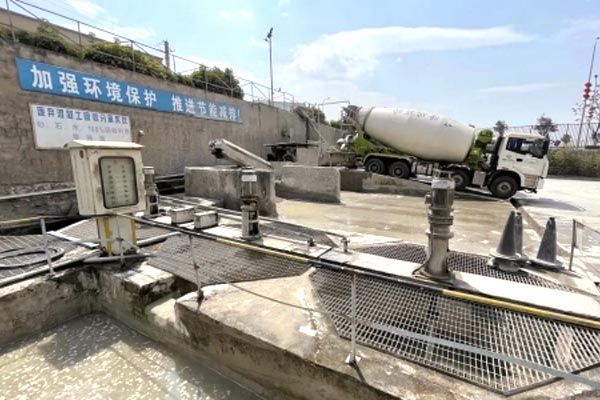
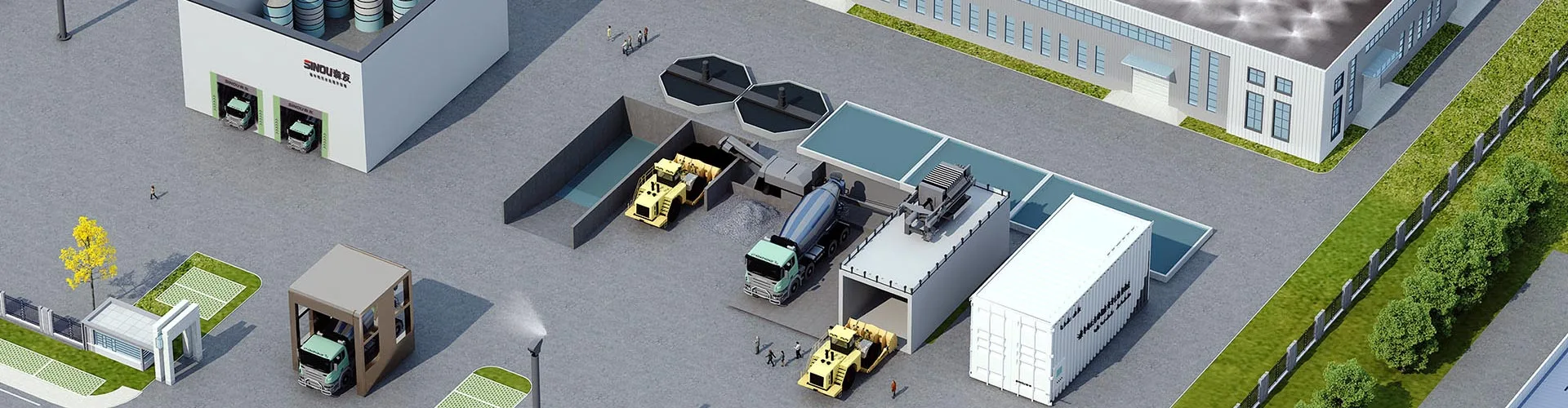
On Site Installation Diagram


Common FAQs & Troubleshooting
Below are the most common problems users may encounter and their solutions to help you maintain stable operation of the concrete sewage neutralization treatment system.
1. Low neutralization efficiency and high effluent pH: Check if the neutralizer dosage is sufficient. Calibrate the pH sensor to ensure accurate monitoring. Inspect the dosing pump and pipeline for blockages.
2. Slow sedimentation and turbid effluent: Check if the flocculant dosage is correct. Clean the sedimentation tank and remove accumulated sludge. Verify that the coagulation reaction time is adequate.
3. Filter clogging and reduced water flow: Clean or replace the filter media regularly. Check if the pre-treatment stage is working properly to remove large particles before filtration.
4. Automatic dosing system failure: Inspect the dosing pump and control unit. Check for power supply issues or sensor malfunctions. Reset the control system and recalibrate the dosing parameters.
5. Abnormal noise from pumps or motors: Check for loose connections or foreign objects in the pump. Lubricate the motor bearings. If the noise persists, contact our service team for inspection.

Hot Tags: Concrete Sewage Neutralization Treatment System, Concrete Wastewater Treatment Supplier, Sewage Neutralization Plant Factory
Send Inquiry
Contact Info
-
Address
No. 1, Xinhai Section, Provincial Road 01, Haiyan Economic Development Zone, Jiaxing City, Zhejiang Province, China
-
Tel
-
Email
For inquiries about filter press, concrete reclaimer, wastewater system or price list, please leave your email to us and we will be in touch within 24 hours.