English
- English
- Español
- Português
- русский
- Français
- 日本語
- Deutsch
- tiếng Việt
- Italiano
- Nederlands
- ภาษาไทย
- Polski
- 한국어
- Svenska
- magyar
- Malay
- বাংলা ভাষার
- Dansk
- Suomi
- हिन्दी
- Pilipino
- Türkçe
- Gaeilge
- العربية
- Indonesia
- Norsk
- تمل
- český
- ελληνικά
- український
- Javanese
- فارسی
- தமிழ்
- తెలుగు
- नेपाली
- Burmese
- български
- ລາວ
- Latine
- Қазақша
- Euskal
- Azərbaycan
- Slovenský jazyk
- Македонски
- Lietuvos
- Eesti Keel
- Română
- Slovenski
- मराठी
- Srpski језик

News
How Does a Vibratory Concrete Reclaimer Improve Concrete Waste Recycling Efficiency?
Construction sites generate large volumes of waste concrete every day, and improper handling often leads to environmental burden and increased operational costs. A Vibratory Concrete Reclaimer is a specialized machine designed to separate aggregates, sand, and water from waste concrete slurry, enabling efficient recycling and reuse of valuable materials. This article explores how this equipment works, why it matters, and how it significantly improves recycling efficiency, reduces costs, and supports sustainable construction practices. You will also learn key selection factors, operational insights, and practical applications across different industries.
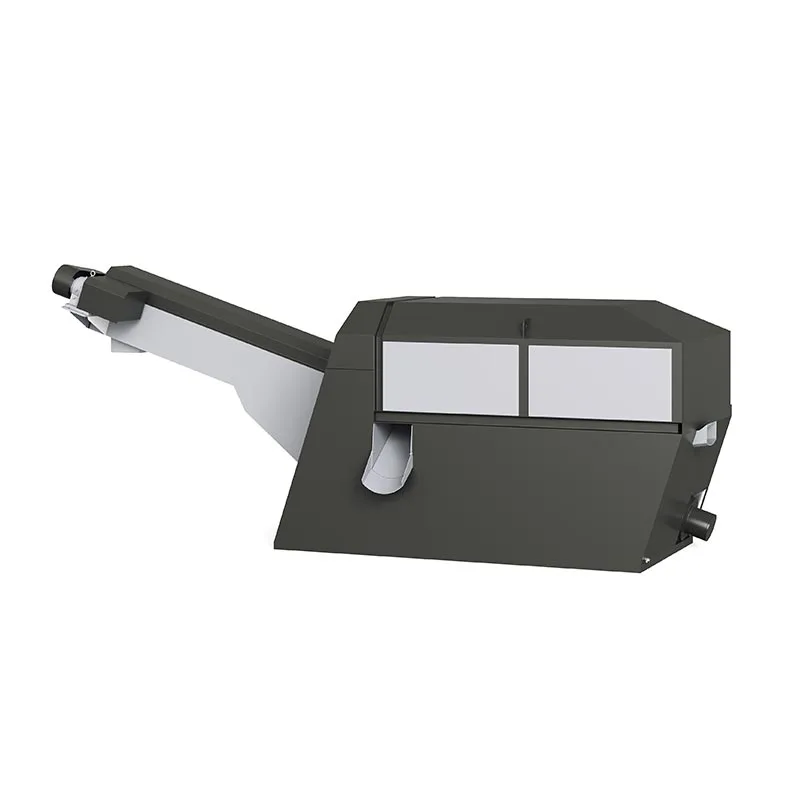
Table of Contents
- 1. Overview of Vibratory Concrete Reclaimer Technology
- 2. Working Principle Explained in Detail
- 3. Key Benefits for Construction and Ready-Mix Plants
- 4. Industrial Applications and Use Scenarios
- 5. Comparison with Traditional Waste Handling Methods
- 6. Important Features to Consider Before Purchase
- 7. Operation and Maintenance Guidelines
- 8. Performance and Efficiency Data Table
- 9. Common Challenges and Practical Solutions
- 10. Future Trends in Concrete Recycling Technology
- 11. Frequently Asked Questions (FAQ)
- 12. Conclusion and Professional Recommendation
1. Overview of Vibratory Concrete Reclaimer Technology
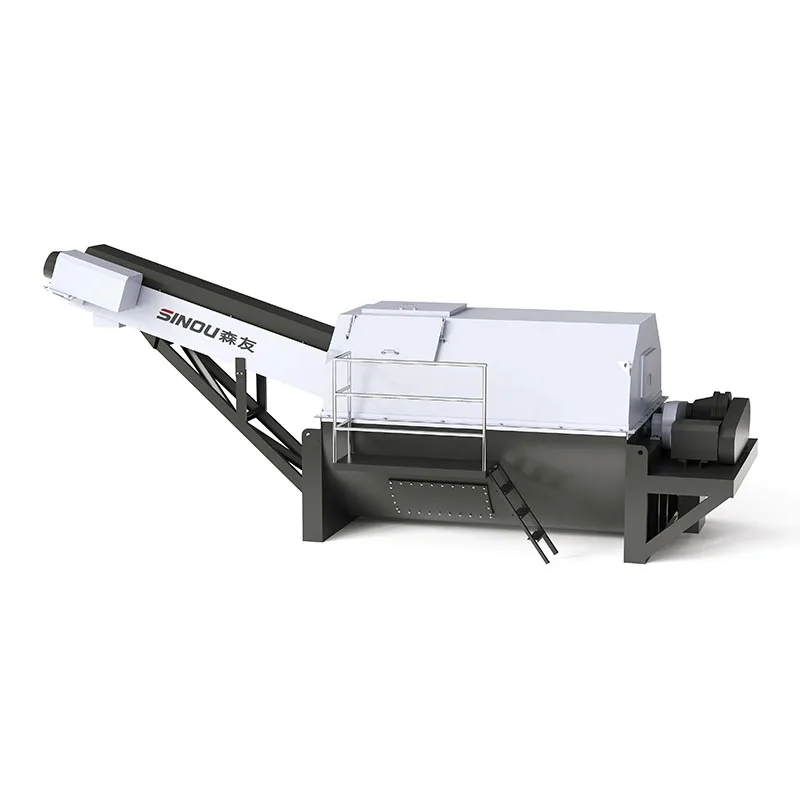
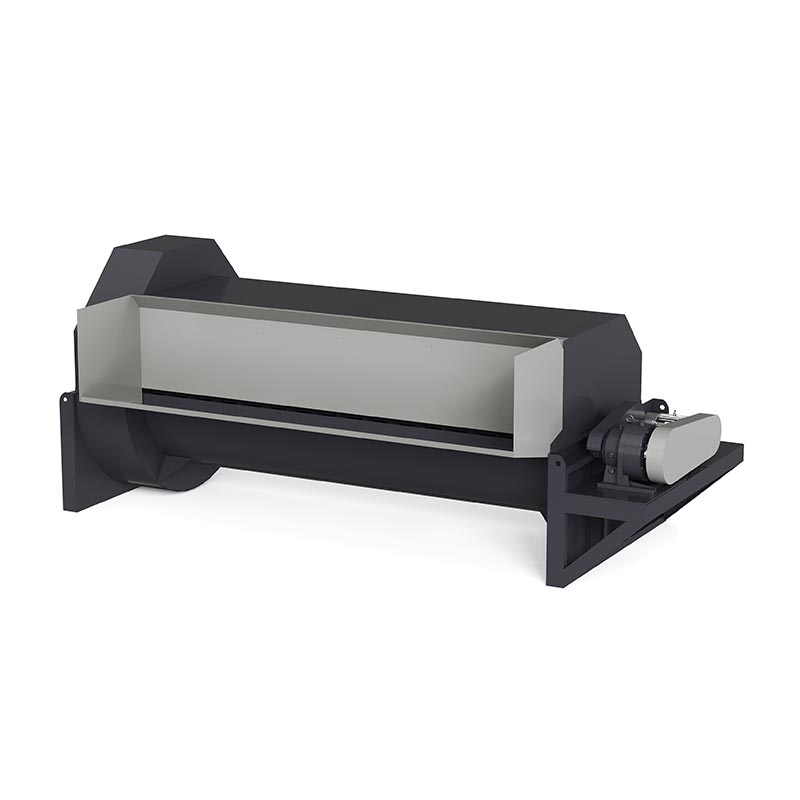
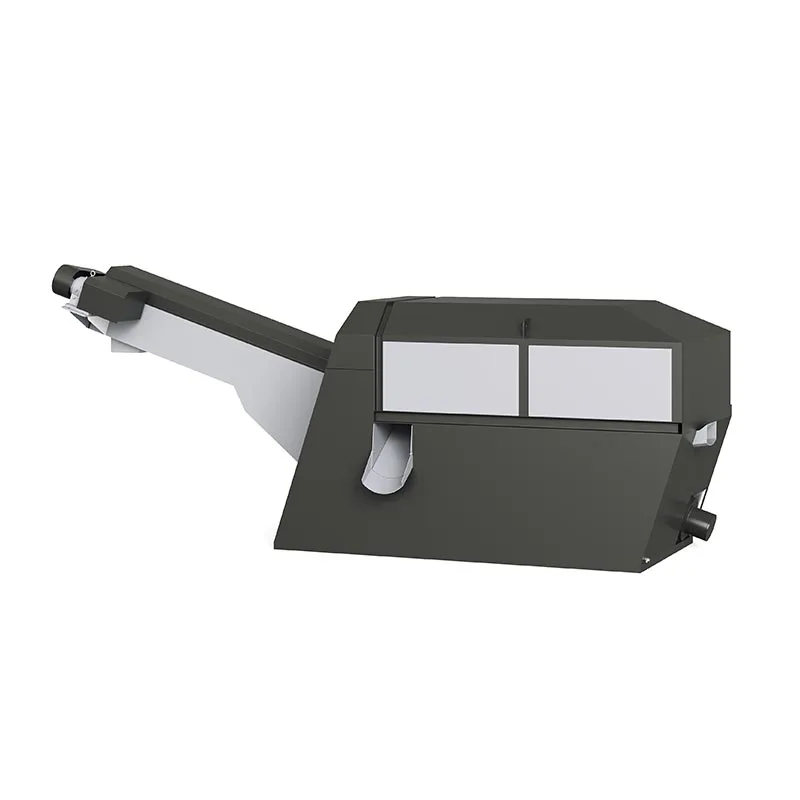
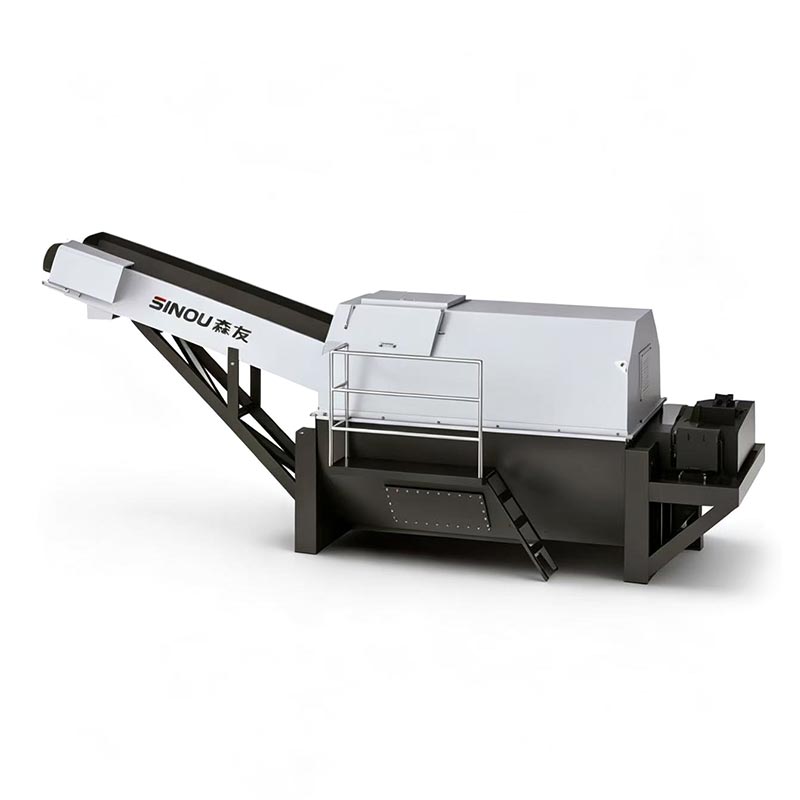
A Vibratory Concrete Reclaimer is an advanced recycling system used in construction and concrete production facilities to recover reusable materials from waste concrete slurry. Instead of disposing of leftover concrete, this machine separates it into three main components: coarse aggregates, fine sand, and wastewater.
The vibratory mechanism is the core innovation. By applying controlled vibration to a screening system, the machine accelerates the separation process while ensuring high material recovery rates. This significantly reduces landfill waste and promotes circular material usage in construction projects.
In modern construction ecosystems, sustainability is no longer optional. Equipment like concrete reclaimers plays a crucial role in reducing environmental impact while improving cost efficiency for contractors and batching plants.
2. Working Principle Explained in Detail
The operation of a vibratory concrete reclaimer is based on mechanical separation combined with hydraulic washing. Waste concrete is typically discharged into the machine via a hopper or direct pipeline from truck mixers.
Step-by-step working process:
- Feeding Stage: Waste concrete is introduced into the reclaimer system.
- Vibration Screening: A vibrating screen separates large aggregates from slurry.
- Washing Process: Water jets remove cement particles from sand and gravel.
- Separation Stage: Fine sand and coarse aggregates are collected separately.
- Water Recycling: Wastewater is filtered and reused in production cycles.
This closed-loop system ensures minimal waste discharge and maximized resource utilization.
3. Key Benefits for Construction and Ready-Mix Plants
Using a vibratory concrete reclaimer offers multiple operational, financial, and environmental advantages.
Main benefits include:
- Reduction in construction waste disposal costs
- Recovery of reusable aggregates and sand
- Lower environmental pollution and landfill usage
- Improved site cleanliness and safety
- Water recycling and reduced freshwater consumption
- Enhanced sustainability compliance for projects
For large-scale batching plants, the savings in raw material costs alone can justify the investment within a short operational period.
4. Industrial Applications and Use Scenarios
The vibratory concrete reclaimer is widely used across multiple industries where concrete waste is generated.
Primary application areas:
- Ready-mix concrete batching plants
- Large-scale infrastructure projects
- Bridge and tunnel construction sites
- Prefabrication concrete factories
- Urban construction and demolition recycling sites
Each of these environments benefits from improved waste management and resource recovery efficiency.
5. Comparison with Traditional Waste Handling Methods
Traditional concrete waste disposal methods often involve washing out trucks and discharging slurry into sedimentation pits. These methods are inefficient and environmentally harmful.
Comparison table:
| Feature | Traditional Method | Vibratory Concrete Reclaimer |
|---|---|---|
| Material Recovery | Low or none | High recovery of sand & aggregate |
| Environmental Impact | High pollution risk | Eco-friendly closed-loop system |
| Operational Cost | High disposal cost | Reduced raw material cost |
| Water Usage | High consumption | Water recycling enabled |
6. Important Features to Consider Before Purchase
When selecting a vibratory concrete reclaimer, several technical and operational features should be evaluated carefully.
Key factors include:
- Processing capacity (tons per hour)
- Screen vibration frequency and amplitude
- Material separation efficiency
- Durability of screen panels and wear parts
- Ease of maintenance and cleaning
- Automation level and control system
Choosing the right configuration ensures long-term stability and maximum return on investment.
7. Operation and Maintenance Guidelines
Proper operation and regular maintenance are essential to ensure consistent performance and long service life.
Best practices include:
- Regular inspection of vibrating motors
- Cleaning of screening surfaces after daily operation
- Monitoring water pressure and flow systems
- Checking wear parts for damage or clogging
- Ensuring proper lubrication of mechanical components
Preventive maintenance not only extends equipment life but also ensures stable recycling efficiency.
8. Performance and Efficiency Data Table
| Parameter | Typical Range | Impact on Performance |
|---|---|---|
| Processing Capacity | 10–100 m³/hour | Determines site throughput efficiency |
| Sand Recovery Rate | 85%–95% | Improves material reuse efficiency |
| Water Recycling Rate | 70%–90% | Reduces freshwater consumption |
| Energy Consumption | Low to medium | Optimized for cost efficiency |
9. Common Challenges and Practical Solutions
Although vibratory concrete reclaimers are highly efficient, operators may encounter several challenges during use.
Common issues and solutions:
- Blockage in screening system: Regular cleaning and proper feed control
- Uneven vibration: Check motor alignment and balance
- Low separation efficiency: Adjust water pressure and screen mesh size
- Wear and tear: Replace screen panels periodically
Addressing these issues early ensures uninterrupted operation and consistent output quality.
10. Future Trends in Concrete Recycling Technology
The future of concrete recycling is moving toward automation, intelligence, and higher sustainability standards. Vibratory reclaimers are expected to integrate smart monitoring systems, IoT-based diagnostics, and AI-assisted performance optimization.
In addition, stricter environmental regulations worldwide will further drive adoption of recycling equipment in construction industries.
11. Frequently Asked Questions (FAQ)
Q1: What materials can a vibratory concrete reclaimer recover?
It can recover sand, gravel, aggregates, and reusable water from waste concrete.
Q2: Is the system suitable for small construction sites?
Yes, smaller models are available for compact or medium-scale operations.
Q3: How much water can be saved using this system?
Typically, up to 90% of wastewater can be recycled and reused.
Q4: Does it require skilled operators?
Basic training is sufficient as most systems are designed for user-friendly operation.
Q5: What is the lifespan of the equipment?
With proper maintenance, it can operate efficiently for many years.
12. Conclusion and Professional Recommendation
The Vibratory Concrete Reclaimer is a vital solution for modern construction industries aiming to improve efficiency, reduce waste, and adopt sustainable practices. By recovering valuable materials from concrete waste, it transforms what was once discarded into reusable resources, creating both economic and environmental value.
For companies seeking reliable and high-performance recycling solutions, Zhejiang Sinou Environmental Protection Equipment Co., Ltd. provides advanced equipment designed to meet demanding industrial requirements with stability and efficiency.
If you are looking to upgrade your construction waste management system or improve your recycling efficiency, feel free to contact us today. Our engineering team will provide tailored solutions to match your project needs and help you build a more sustainable future.
Related News
- How the Sinou ZP plunger pump reduces sludge treatment OPEX
- What Makes an Air Cooled Hydraulic Ceramic Piston Pump For Filter Press a Reliable Sludge Feeding Solution?
- What Makes a Concrete Sewage Neutralization Treatment System Effective?
- Industry News: Hydraulic Ceramic Plunger Pump Solves Long‑Distance Conveying of 40% Solid‑Content Sludge
- How Can a Vibratory Concrete Reclaimer Improve Tunnel Project Waste Management?
- How Does a Heavy Duty Mixer Truck Washing Machine Improve Concrete Fleet Cleaning?
Leave me a message